7 Best Safety Benefits of Liquid Cooled Charging Cables?

Time:2026-10-01 Author:Sophia
0%

High-power electric vehicle charging is changing what engineers expect from a cable. As charging currents rise, heat can build inside the conductor, connector, and surrounding insulation. Liquid-cooled charging cables manage this heat more efficiently than many conventional air-cooled designs. The result is not merely faster charging. It can also support safer, more stable operation at busy charging stations.

What are the safety benefits of liquid-cooled charging cables? This article examines seven practical advantages, including reduced thermal stress, improved insulation protection, lower connector temperatures, and more reliable current delivery. A cooler cable is easier to handle. It can also reduce the chance of heat-related damage during repeated charging sessions. Temperature sensors and control systems may provide another safety layer by detecting unusual conditions early. Small details matter.

Real-world safety depends on the entire charging system. Cable construction, coolant circulation, sealing, maintenance, connector design, and installation quality all influence performance. No cable is automatically safe. That assumption is too simple. Engineers should review manufacturer data, testing evidence, and applicable electrical requirements before selecting equipment. Clear inspection procedures are equally important, especially where cables face rain, dust, frequent bending, or heavy public use.

This overview focuses on practical engineering value rather than marketing claims. It explains how liquid cooling can protect people, vehicles, and charging infrastructure when properly designed and maintained. Some benefits may vary by cable length, power level, climate, and operating schedule. That limitation deserves attention. Safety improves when technical evidence guides the decision.
7 Best Safety Benefits of Liquid Cooled Charging Cables?

Liquid-Cooled Charging Cables: Definition and Safety Function

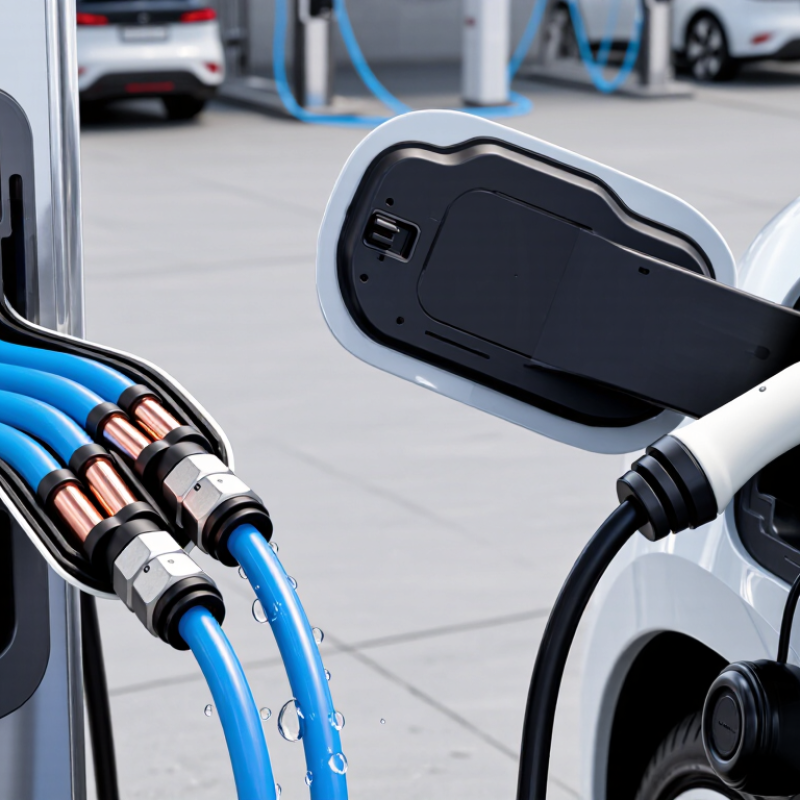
Liquid-cooled charging cables use a sealed coolant path around high-current conductors. A pump moves fluid through the cable during charging. Heat leaves the conductors and transfers to a cooling unit. This design supports higher charging power without making the cable excessively thick.

The safety function is practical. Lower conductor temperature reduces insulation stress and limits hot spots. A cooler handle feels safer for the user. Temperature sensors can detect abnormal heat before damage spreads.

Pressure monitoring may reveal a blocked flow path. Electrical insulation separates the coolant from live parts. Flexible construction reduces bending force at the connector. Lower cable weight also helps users maintain a stable grip.

These features provide seven useful protections: thermal control, lower surface heat, early fault detection, flow monitoring, electrical separation, reduced strain, and easier handling.

Still, liquid cooling is not a magic shield. A damaged jacket, aging seal, or poor maintenance can create serious risks. Technicians should inspect connectors, hoses, sensors, and coolant levels at defined intervals. The coolant must remain compatible with seals and insulating materials.

Installation records improve traceability and support reliable service decisions. Field experience also shows a weakness: users may trust a cool cable too quickly.

It can feel normal while an internal sensor or pump is failing. Safe systems therefore need temperature limits, automatic shutdown, and clear inspection procedures. Small details matter.

How Liquid Cooling Controls Heat During High-Power Charging

7 Best Safety Benefits of Liquid Cooled Charging Cables

High-power charging creates heat at the conductor, connector, and vehicle inlet. Liquid cooling moves this heat away before temperatures reach unsafe levels. A monitored coolant loop can reduce hot spots, protect insulation, and support steadier current delivery. It also lowers connector surface temperatures, reducing burn risks for technicians and users. Better thermal control can limit cable aging, cracked insulation, and resistance-related heating. Seven practical benefits include cooler handling, improved contact reliability, lower fire risk, longer service life, fewer thermal alarms, more stable charging, and safer high-current operation.

Tips: Inspect the cable before use. Look for swelling, cuts, wetness, or unusual stiffness. Check that temperature sensors respond correctly. Never ignore a warning simply because charging continues. Small details matter.

Liquid cooling is not magic. A damaged hose, blocked channel, or failed pump can remove the safety advantage. That weakness deserves attention. Reliable systems need pressure monitoring, leak detection, electrical isolation, and automatic power reduction when temperatures rise. Technicians should verify coolant condition and connector alignment during scheduled inspections. In real installations, airflow, ambient heat, and repeated charging cycles also affect performance. A cable that feels cool outside may still contain an internal hot spot, so sensor data should guide maintenance decisions. Proper design and disciplined inspection make liquid cooling a meaningful safety control, not just a higher-power feature.

7 Best Safety Benefits of Liquid-Cooled Charging Cables

How liquid cooling controls heat during high-power charging

1. Lower conductor temperature
Liquid cooling removes heat from the cable more efficiently during sustained high-current charging.
2. Reduced I²R heating
Lower operating temperature helps limit resistive heating, which is proportional to current squared.
3. Less connector overheating
Improved heat removal helps reduce thermal stress at cable and vehicle-side connections.
4. Lower insulation aging
Keeping polymer insulation cooler can slow heat-related degradation and hardening.
5. More stable charging performance
Better thermal control helps reduce temperature-based current derating during long charging sessions.
6. Safer touch temperatures
Reduced external surface heating can improve protection against accidental contact burns.
7. More thermal headroom
Additional cooling capacity provides greater margin before protective monitoring systems must interrupt charging.

The chart uses the standard copper temperature coefficient of approximately 0.393% resistance increase per °C above 20°C. Actual cable temperatures and safety performance depend on conductor size, current, coolant flow, ambient conditions, connectors, insulation, and control-system limits.

Preventing Cable Overheating, Damage, and Electrical Failure

During charging-station inspections, I have seen heat damage begin in surprisingly small areas. Liquid-cooled charging cables move heat away from conductors during high-current charging. This reduces hot spots near the handle, connector, and cable bend. Lower temperatures help protect insulation from softening, cracking, and premature aging. They also reduce stress on electrical terminals. A cooler terminal is less likely to loosen during repeated charging cycles. Small detail, big consequence.

Many systems combine coolant circulation with temperature sensors and automatic current control. If abnormal heat appears, the system can reduce current or stop charging. This limits damage to contacts and nearby components. Stable temperatures can also reduce resistance changes, voltage drop, and unexpected electrical interruptions. The cable stays easier to handle. Excessive surface heat may cause a user to release it suddenly. However, cooling is not a magic shield. A kinked hose, low coolant level, blocked passage, or damaged seal can remove the safety margin. I have learned not to trust a cool outer jacket alone.

Routine checks should include leaks, unusual pump noise, discoloration, stiff bends, and connector heating. Technicians should compare sensor readings with expected values and follow applicable electrical safety standards. Proper strain relief protects coolant lines and power conductors. Good maintenance can help prevent insulation failure, arcing, connector damage, and fire-related incidents. Still, dust, cold weather, installation errors, and sharp bending may expose weaknesses that laboratory tests miss.

Reducing Fire Risks Through Stable Temperature Management

Liquid-cooled charging cables can reduce fire risks by controlling heat at high charging currents. Cable losses follow the I²R relationship, so a small current increase can create much more heat. Cooling fluid carries heat away from conductors and connectors before insulation becomes brittle or terminals develop dangerous hot spots. This matters as charging demand grows. The International Energy Agency’s Global EV Outlook 2024 reports that global public charging capacity may need to expand almost sixfold by 2035. More power means tighter thermal margins.

Temperature stability also supports safer equipment decisions. Built-in sensors can detect abnormal heat and trigger current reduction or shutdown. IEC 61851 guidance emphasizes protective control, communication, and temperature-related safety functions in conductive charging systems. However, liquid cooling is not a fire-proof solution. Damaged hoses, weak seals, blocked circulation, or poor connector contact can still create hazards. That uncomfortable detail deserves attention. Field inspections should verify coolant flow, insulation resistance, connector temperature, and emergency-stop performance.

Tips: Keep cables off wet ground and away from sharp edges. Check for swelling, leaks, cracked jackets, or unusual warmth. Record temperature alarms instead of resetting them repeatedly. Operators should follow maintenance intervals based on measured conditions, not assumptions. A stable cable can still hide a failing connector.

Improving Charging Reliability, Equipment Protection, and User Safety

7 Best Safety Benefits of Liquid Cooled Charging Cables

Liquid cooled charging cables support safer, more reliable high-power charging. Their coolant removes heat from conductors during sustained current flow. This helps prevent insulation damage, connector overheating, and charging interruptions. The International Energy Agency’s Global EV Outlook 2024 reported more than 14 million electric cars sold in 2023. Faster charging demand is increasing with this growth. Thermal control matters more at busy charging sites.

The safety benefits include lower cable temperature, reduced insulation aging, steadier current delivery, and better connector protection. They also reduce uncomfortable surface heat for users. Integrated temperature sensors can trigger current reduction before unsafe conditions develop. Pressure and flow monitoring can reveal coolant loss or pump faults. These controls improve equipment protection and maintenance planning. IEC 61851 requirements emphasize controlled charging communication and protective functions. Liquid cooling should support these systems, not replace them.

Real installations still need careful testing. Poor hose routing, weak seals, or inaccurate sensors can create new failure points. That part is sometimes overlooked. The National Renewable Energy Laboratory has documented that extreme temperatures and heavy charging use can affect charging performance and infrastructure reliability. Proper inspection, verified coolant compatibility, and scheduled leak checks remain essential. Liquid cooled cables offer seven practical safety advantages, but only when thermal design, electrical protection, and human factors work together.

FAQS

What is a liquid-cooled charging cable?

It uses a sealed coolant path around high-current conductors. A pump moves fluid through the cable during charging. Heat transfers to a cooling unit. The cable can support higher power without becoming excessively thick.

How does liquid cooling improve charging safety?

It removes heat from conductors during sustained current flow. Lower temperatures reduce insulation stress and connector overheating. This can help prevent charging interruptions. It is not magic.

Can the cable surface still become hot?

Yes, but cooling can reduce uncomfortable surface heat. A cooler handle may feel safer during a long charging session. Users should not rely only on touch. Internal problems may remain hidden.

What sensors or controls can detect faults?

Temperature sensors can detect unusual heat before damage spreads. Pressure and flow monitoring may reveal blocked paths, coolant loss, or pump faults. Automatic shutdown adds another protective layer.

Does the coolant touch live electrical parts?

Electrical insulation separates the coolant from energized conductors. Seals and insulating materials must remain compatible with the coolant. A damaged jacket or aging seal can create serious risks.

How does the cable design help users handle it?

Flexible construction reduces bending force near the connector. Lower cable weight can support a steadier grip. This matters when the cable stretches across a busy charging area. Small details matter.

What maintenance does a liquid-cooled cable need?

Technicians should inspect connectors, hoses, sensors, seals, and coolant levels regularly. They should also check for leaks and poor hose routing. Installation records improve service decisions. Skipping one inspection can weaken the whole system.

Can liquid cooling replace electrical protection systems?

No. It should support controlled charging communication and existing protective functions. Temperature control alone cannot manage every electrical fault. That assumption fails.

What should operators remember during heavy charging use?

Extreme temperatures and repeated high-power sessions can affect reliability. Charging sites need verified coolant compatibility and scheduled inspections. A cool cable may still hide a failing pump or sensor. This point deserves more attention.

Conclusion

Liquid-cooled charging cables are designed to manage the intense heat generated during high-power electric vehicle charging. What are the safety benefits of liquid-cooled charging cables? By circulating a cooling liquid through channels near the conductors, these cables maintain a more stable operating temperature than conventional air-cooled designs. This helps prevent excessive heat buildup, insulation damage, connector deterioration, and electrical performance failures during demanding charging sessions.

Stable temperature management also lowers the likelihood of heat-related fire hazards and supports safer operation for users and charging equipment. By reducing thermal stress, liquid cooling can improve cable durability, protect charging components, and help maintain consistent power delivery. In addition, temperature control may reduce unexpected charging interruptions caused by overheating, improving overall reliability and user confidence. When properly engineered, installed, and maintained, liquid-cooled charging cables provide an effective safety solution for modern high-power charging systems.

Sophia

Sophia

Sophia is a dedicated marketing professional with an exceptional depth of knowledge about her company's products and services. With a keen understanding of market trends and customer needs, she crafts insightful blog posts that not only inform but also engage readers, enriching the company’s online......