Can I use a Tesla charger for a non-Tesla EV with an adapter? In 2026, the answer depends on the charger, vehicle, adapter, and network policy. A connector may fit, yet charging can still fail. Tesla Destination Chargers usually provide AC power, while Superchargers deliver DC fast charging. Their compatibility rules are not identical.
The International Energy Agency reported more than 4 million public charging points worldwide at the end of 2023. The U.S. Department of Energy’s Alternative Fuels Data Center also shows rapid growth in public charging infrastructure. However, more plugs do not guarantee simple access. J.D. Power’s 2024 EVX Public Charging Study found reliability and payment problems still influence driver satisfaction. The market remains uneven.
EV charging analyst Tom Moloughney explains the practical limitation clearly: “An adapter is only the physical connection.” That distinction matters. A Tesla-to-CCS1 adapter may support charging on approved Superchargers, but it cannot increase your vehicle’s maximum charging speed. It also cannot correct unsupported software, billing, or station restrictions.
This guide examines the best Tesla charging options for non-Tesla EVs, including NACS adapters, CCS compatibility, home wall connectors, and public Supercharger access. We consider real details: a cold battery, a crowded station, a 150-kilowatt vehicle connected to a 250-kilowatt stall, and an adapter warming inside the cable. Check your vehicle manual first. Confirm the station’s app requirements. Verify certification and manufacturer approval.
Some recommendations may change quickly. That is the uncomfortable part. Connector standards are becoming clearer, but charging access still depends on hardware, software, location, and timing.
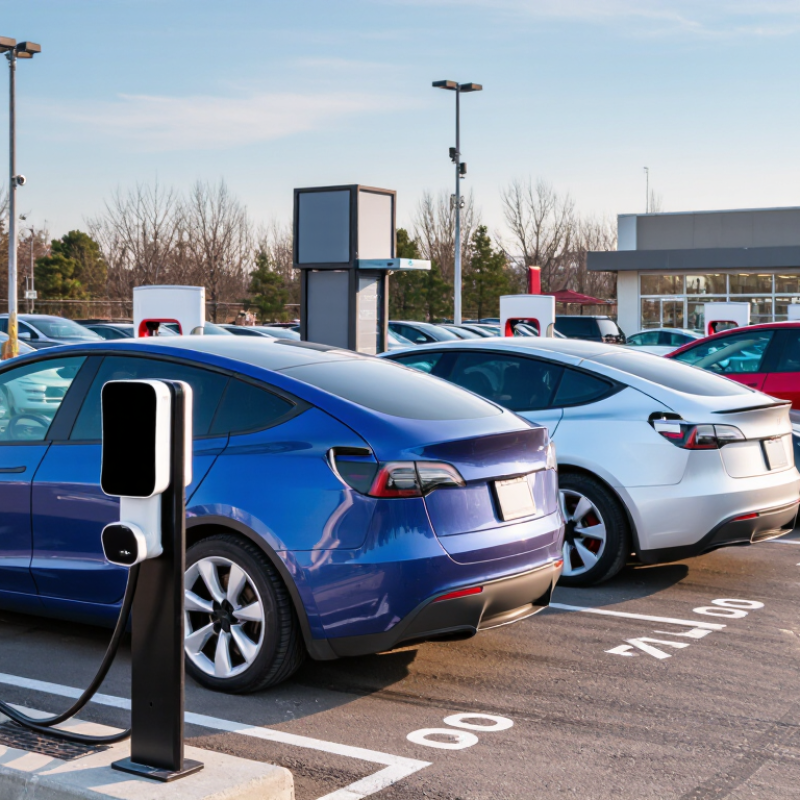
Tesla Charging Standards and Compatibility with Non-Tesla EVs
The charging standard used by many newer North American electric vehicles is SAE J3400, commonly called NACS. It uses a compact connector for both AC charging and DC fast charging. Older vehicles may use a CCS1 or J1772 inlet instead. An adapter can bridge these formats, but compatibility depends on the vehicle, station, and software.
Check the adapter rating before plugging in.
A DC fast-charging adapter must support high current, secure communication, and proper temperature monitoring. An AC adapter cannot replace a DC adapter. At home, confirm the wall unit matches your vehicle’s voltage, amperage, and charging schedule. The plug should seat firmly, without unusual heat, movement, or warning messages.
Access is more complicated than the connector. Some fast-charging sites require vehicle authorization through an app, account, or approved communication system. Charging speed also follows the vehicle’s battery curve, not only the station’s advertised output. A compact battery may slow charging after reaching a high state of charge. Cold weather can reduce power noticeably. I have found that a short cable and awkward parking position can matter more than headline wattage. That detail is easy to overlook.
Standards continue changing.
Some adapters work only after a software update or formal approval. Never rely on a marketplace listing alone. Check the vehicle manual, station instructions, and current certification information before purchasing. Even then, compatibility can remain imperfect. That is worth accepting before a long trip.
How to Choose the Right Adapter for a Non-Tesla Electric Vehicle
Choosing an adapter for a non-native electric vehicle starts with connector compatibility.
Check the vehicle inlet, charger plug, and charging type before buying anything. An AC adapter cannot replace a DC fast-charging connection. That mistake can leave the car connected but not charging. The vehicle’s charging manual and the adapter’s certification should agree.
Voltage and current ratings matter.
An adapter rated below the charger’s output may overheat during a long session. Select a unit that matches or exceeds the vehicle’s maximum supported input. The U.S. Department of Energy’s Alternative Fuels Data Center stresses correct connector and power compatibility for public charging equipment. The International Energy Agency reported more than four million public charging points worldwide at the end of 2023. More stations also mean more connector variation.
Look for temperature monitoring, weather resistance, secure locking, and clear fault protection.
A short cable may be safer in a tight parking space, while a longer one can create trip hazards. Avoid loose conversion plugs with unclear testing records. Independent certification is worth the extra cost. It is not always simple. Some vehicles may limit charging because of software settings, even when the adapter fits physically. Check the first session beside the vehicle, feel for unusual heat, and stop if warnings appear. I would recheck the fit after several uses. Small movement can become a serious problem.
Top Tesla-Compatible Chargers for Non-Tesla EV Owners in 2026
In 2026, non-Tesla EV owners have more access to charging networks using the North American charging connector. The best compatible chargers combine dependable power, clear payment options, and practical adapter support. Check your vehicle’s charging port before buying an adapter. Compatibility is not automatic.
For daily charging, a home unit delivering 7 to 12 kilowatts can refill many vehicles overnight. Look for adjustable current settings, weather-resistant housing, and a cable long enough to reach awkward parking spots. A fast public charger may provide much higher output, but your vehicle controls the actual charging speed. Heat, battery level, and station limits can reduce it.
Adapter quality matters most.
Choose one rated for your vehicle, charging type, and expected power. Avoid loose connections or unusually warm plugs. I check the connector twice, especially after rain. Small details matter.
Keep the adapter dry and inspect its contacts regularly. Some stations require an app, while others accept contactless payment or a membership card. Coverage can be uneven outside major cities, so I still plan a backup stop. That habit feels excessive, but it has prevented stressful detours. Specifications change quickly, and one early mistake is assuming every compatible charger offers the same experience.
Installation, Safety, and Charging Performance Considerations
Choosing a high-power charger for a non-Tesla electric vehicle requires more than matching the connector. The adapter must support the charger’s voltage, current, and communication protocol. Check the vehicle manual and adapter certification before installation. A qualified electrician should inspect the service panel, cable route, grounding, and circuit capacity. Outdoor units also need weather-resistant enclosures and secure mounting.
Charging performance depends on the vehicle’s onboard charger, battery temperature, and state of charge. A powerful station cannot exceed the car’s accepted charging rate. In practice, charging may slow after the battery reaches a high percentage. Cold weather can reduce speed noticeably. I have also found that a slightly loose connection creates heat and intermittent charging, even when the equipment appears new. That detail is easy to overlook.
Tips: Use an adapter rated above the charger’s maximum output, not just the vehicle’s usual rate. Never use extension cords or damaged cables. Keep connectors clean and dry. During the first sessions, check for unusual warmth, buzzing, error messages, or discoloration. Stop charging if any appear. Record charging time and energy delivered under similar conditions; this reveals real performance better than advertising figures. Recheck the installation after several weeks, because my first inspection would not have caught every problem.
Conclusion
In 2026, non-Tesla EV owners have more flexible charging options, but compatibility depends on the vehicle’s charging standard, connector type, communication protocol, and local electrical setup. Can I use a Tesla charger for a non-Tesla EV with an adapter? In many cases, yes, provided that the charger and vehicle support compatible standards and the adapter is specifically designed for safe, authorized use. Choosing the right adapter requires checking connector direction, charging capacity, weather resistance, and built-in safety features.
The best Tesla-compatible chargers for non-Tesla EVs should offer dependable power delivery, clear status indicators, overheat protection, and practical cable management. Before installation, confirm circuit capacity, grounding, ventilation, and professional electrical requirements. Charging speed may vary according to the vehicle, adapter, charger, and battery system. When comparing options, consider the total purchase and installation cost, warranty coverage, replacement availability, energy efficiency, and expected service life. A slightly higher upfront cost may provide better reliability and long-term value.
 Rama Charger
