10 Best Innovations in Wireless EV Charging Technology Future?

Time:2026-07-23 Author:Sophia
0%

The automotive industry is undergoing a profound transformation with the rise of electric vehicles (EVs). As EV adoption grows, so does the need for innovative charging solutions. Wireless EV charging technology stands at the forefront of this revolution. It promises to make charging more convenient and efficient for users. But there are still challenges that need to be addressed.

What is the future of wireless EV charging technology? This question weighs heavily on the minds of manufacturers and consumers alike. Current systems face efficiency issues, high costs, and safety concerns. Experts are actively researching ways to enhance these technologies. Some prototypes show great promise, yet practical applications remain limited.

The potential benefits are significant. Imagine driving home, parking, and allowing your vehicle to charge seamlessly. Still, the path is not entirely clear. Concerns about charging speeds and integration with existing infrastructure pose hurdles. Innovation continues, but the journey is filled with uncertainties. The future of wireless EV charging holds exciting possibilities, though obstacles must be navigated carefully.
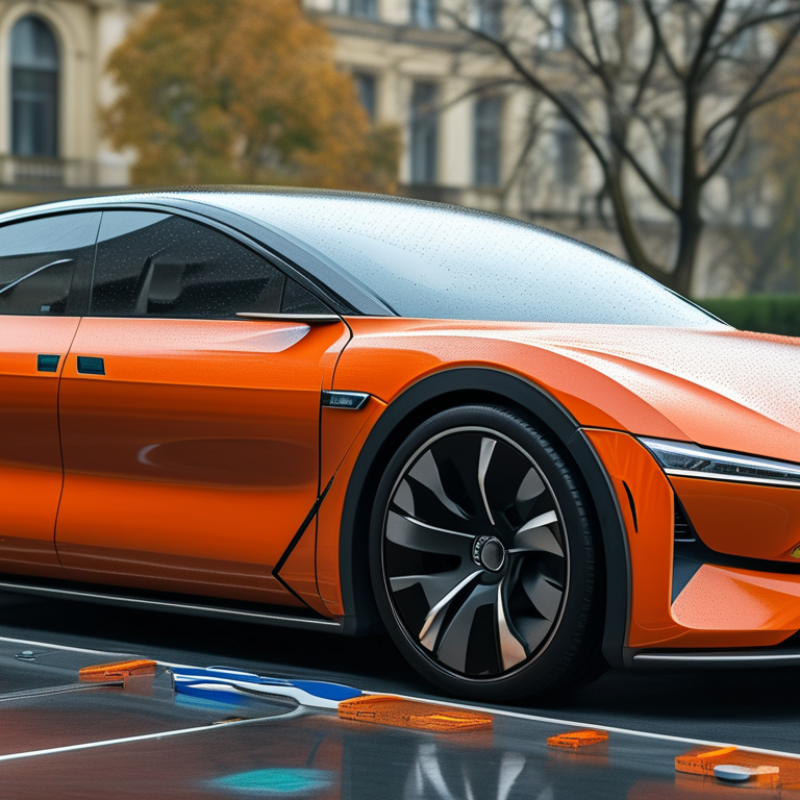
10 Best Innovations in Wireless EV Charging Technology Future?

Overview of Wireless EV Charging Technology

Wireless EV charging technology has gained significant attention in recent years. This innovative approach allows electric vehicles to charge without physical connections. It uses electromagnetic fields for energy transfer, providing a convenient solution for EV users. Imagine driving into your garage, and your car charges automatically without plugging in. This scenario could become common.

However, challenges remain. The efficiency of wireless charging systems can be lower than traditional methods. There are also concerns about the cost and infrastructure required to implement such systems widely. Current wireless chargers may not support all EV models, causing compatibility issues. This technology must advance to minimize losses during energy transfer.

Moreover, the installation process can be complex. It often requires significant modifications to parking spaces or roadways. These factors may deter widespread adoption. Despite these hurdles, the potential benefits are enticing. Imagine a future where EV owners spend less time worrying about battery life. Wireless charging could indeed transform the electric vehicle landscape.

Key Innovations in Wireless EV Charging Systems

Wireless electric vehicle (EV) charging is rapidly evolving, with several innovations enhancing its potential. One prominent development is magnetic resonance technology. This method allows efficient energy transfer without the need for direct contact between the charger and the vehicle. Unlike traditional charging methods, this technology has the potential to increase usability in diverse settings. However, its efficiency can vary based on alignment and distance, which remains a challenge.

Another significant innovation is the integration of smart grid technology. By connecting EV chargers to a smart grid, energy distribution becomes more efficient. This connection allows for real-time data exchange, optimizing energy use. Yet, integrating these systems presents complexities regarding infrastructure and user interface. The challenge lies in ensuring that both the grid and the charging systems are responsive.

Lastly, dynamic charging is an exciting frontier. This allows vehicles to charge while in motion, utilizing embedded charging lanes. While this concept can revolutionize long-distance travel, technical hurdles exist. For example, ensuring safety and efficiency during high-speed travel needs careful consideration. Overall, these innovations hold promise, but they also require critical reflection on practicality and implementation.

Impact of Wireless EV Charging on Electric Vehicle Adoption

Wireless EV charging holds great promise for transforming electric vehicle (EV) adoption. It simplifies the charging process, removing the need for cables. This innovation could alleviate the common hassle of plugging in, making EVs more appealing to potential buyers. With charging pads installed in parking spaces, users can charge their vehicles effortlessly while they park.

However, challenges remain. The technology must ensure efficient energy transfer and be compatible with various EV models. Issues like charging speed and cost must be addressed to truly enhance its appeal. There's also the question of infrastructure. Not all cities can accommodate widespread wireless charging pads. This can slow adoption in certain areas. Addressing these practical concerns is essential for wider acceptance of wireless charging technology in the EV market.

Furthermore, potential users might worry about reliability. Is the charging consistent? Will it work in all weather conditions? These are valid concerns that need to be discussed openly. Education and demonstration of this technology could ease skepticism. As wireless EV charging evolves, its success will depend on addressing these questions and enhancing user experience. This is crucial for broadening electric vehicle adoption and advancing toward a sustainable future.

10 Best Innovations in Wireless EV Charging Technology

Innovation Description Efficiency (%) Charging Range (m) Deployment Status
Dynamic Wireless Charging Charging while driving through embedded road technology. 90 5 Pilot Programs
Static Wireless Charging Pads Stationary pads for charging EVs when parked. 85 1.5 Commercial Trials
Inductive Power Transfer Wireless energy transfer using magnetic fields. 80 2.0 Research Phase
High-Temperature Superconductors Using superconductors to reduce energy loss. 95 2.5 Experimental Stage
Airborne Charging Systems Charges vehicles with drones during stops. 70 1.0 Prototype Testing
Solar-Powered Charging Stations Utilizing solar energy for wireless charging. 75 3.0 Operational
Multimodal Charging Solutions Combining different charging methods for flexibility. 82 1.8 In Development
Remote Monitoring Systems Real-time monitoring of charging efficiency. n/a n/a Implemented
Smart Infrastructure Integration Integrating charging with urban smart grids. n/a n/a Future Plans
Adaptive Charging Technology Adjusting power output based on vehicle needs. n/a n/a Research

Challenges and Limitations of Current Wireless Charging Technologies

Wireless EV charging promises convenience but faces significant challenges. One major issue is efficiency. Current technologies often require precise alignment between the vehicle and charging pad. Misalignment can lead to substantial energy losses. This may frustrate users who expect a seamless experience.

Another challenge is cost. Implementing wireless charging infrastructure is expensive. Many cities lack funding for such upgrades. Without financial backing, widespread adoption becomes difficult. This limitation prevents many potential users from experiencing the benefits.

Safety is also a concern. Wireless charging systems might produce electromagnetic fields. Extended exposure to these fields raises questions about health risks. Furthermore, the technology needs to be robust against weather factors. Inconsistent performance during rain or snow can undermine user trust. Addressing these challenges is crucial for making wireless charging a practical and reliable option for electric vehicle owners.

10 Best Innovations in Wireless EV Charging Technology

This chart illustrates the advancements and future potential of wireless EV charging technology in key areas such as efficiency, charging speed, and user adoption. The data contrasts current technologies with future projections, highlighting significant improvements expected in the coming years.

Future Trends and Developments in Wireless EV Charging Solutions

Wireless EV charging technology is paving the way for an exciting future in electric vehicle adoption. This technology enhances convenience by allowing vehicles to charge without physical cables. Inductive charging systems are emerging as a game-changer, utilizing magnetic fields for seamless power transfer. These systems can be integrated into roadways, enabling vehicles to charge while in motion. It's a captivating concept that could redefine urban mobility.

Future trends in wireless EV charging also include increased efficiency and wider adoption. Researchers aim to boost charging speeds significantly. Current systems can offer a slow charge, but innovations are focused on accelerating this process. As technology evolves, ensuring compatibility across various vehicle types remains a challenge. Additionally, safety standards must adapt to protect both vehicles and pedestrians. There is a constant push for improved energy management systems. These developments could set the stage for a more sustainable automotive landscape.

However, several hurdles exist. The cost of implementing wireless charging infrastructure is considerable. Many municipalities might hesitate to invest in high-tech charging stations. There's also a need for proper public awareness about the advantages and limitations of wireless charging. This technology offers remarkable potential, but broad acceptance will require ongoing dialogue and education. Balancing innovation with affordability is key to driving EV adoption forward.

FAQS

: What is wireless EV charging?

: It allows electric vehicles to charge without physical cables using innovative technologies like magnetic resonance.

How does magnetic resonance technology work?

This technology enables energy transfer without direct contact, but efficiency varies based on alignment and distance.

What is smart grid integration in EV charging?

Connecting chargers to a smart grid optimizes energy distribution and requires real-time data exchange for efficiency.

What is dynamic charging?

Dynamic charging allows vehicles to charge while moving on embedded charging lanes, though technical safety challenges exist.

What are some challenges of wireless charging adoption?

Issues include compatibility with various EV models, charging speed, costs, and infrastructure limitations in many cities.

How does wireless charging simplify the user experience?

It removes the hassle of plugging in, allowing vehicles to charge effortlessly while parked on charging pads.

Are there concerns about reliability and weather?

Yes, potential users worry about consistent charging performance and functionality across different weather conditions.

What trends are expected in wireless EV charging technology?

Future trends include increased charging speeds, wider adoption, better energy management, and greater compatibility with vehicles.

What’s a significant barrier to implementing wireless charging?

The high cost of infrastructure and lack of public awareness about its benefits hinder widespread acceptance.

How important is public education for wireless charging?

Educating potential users about advantages and limitations is crucial for overcoming skepticism and promoting acceptance.

Conclusion

Wireless EV charging technology is poised for significant advancement, transforming the electric vehicle (EV) landscape. With innovations such as resonant inductive charging and dynamic charging systems, wireless solutions are becoming more efficient and practical for everyday use. These advancements could play a crucial role in increasing electric vehicle adoption by providing greater convenience and reducing range anxiety among consumers.

However, challenges remain, including cost, standardization, and the need for robust infrastructure. As we look ahead, the question "What is the future of wireless EV charging technology?" invites exploration into potential developments, such as integration with smart grid systems and improved energy efficiency. The ongoing research and investment in this field suggest that wireless charging could soon become a mainstream solution, facilitating a smoother transition to an electric future.

Sophia

Sophia

Sophia is a dedicated marketing professional with an exceptional depth of knowledge about her company's products and services. With a keen understanding of market trends and customer needs, she crafts insightful blog posts that not only inform but also engage readers, enriching the company’s online......