Bi-directional chargers are becoming essential in the shift towards renewable energy. They allow electric vehicles (EVs) to both draw and supply electricity. However, many users face the frustrating question: "Why is my bi-directional charger not discharging to the grid?" This issue is critical, especially as the International Energy Agency (IEA) projects that there will be over 200 million EVs on the roads by 2030.
Recent studies indicate that improper installation and configuration are common culprits. For instance, a report from the Institute of Electrical and Electronics Engineers (IEEE) outlines that nearly 15% of bi-directional charger users experience discharge issues at some point. This suggests a need for better user education and product support. Understanding the operational limits of your charger is vital. Factors like grid connection problems, charger compatibility with local regulations, and software updates can all impact performance.
The growing demand for energy storage solutions demands our attention. When issues arise, they can hinder financial benefits and energy efficiency. Many users may overlook simple aspects like firmware updates or connectivity checks. Thus, addressing "Why is my bi-directional charger not discharging to the grid?" is essential for maximizing both the device's potential and overall energy savings.
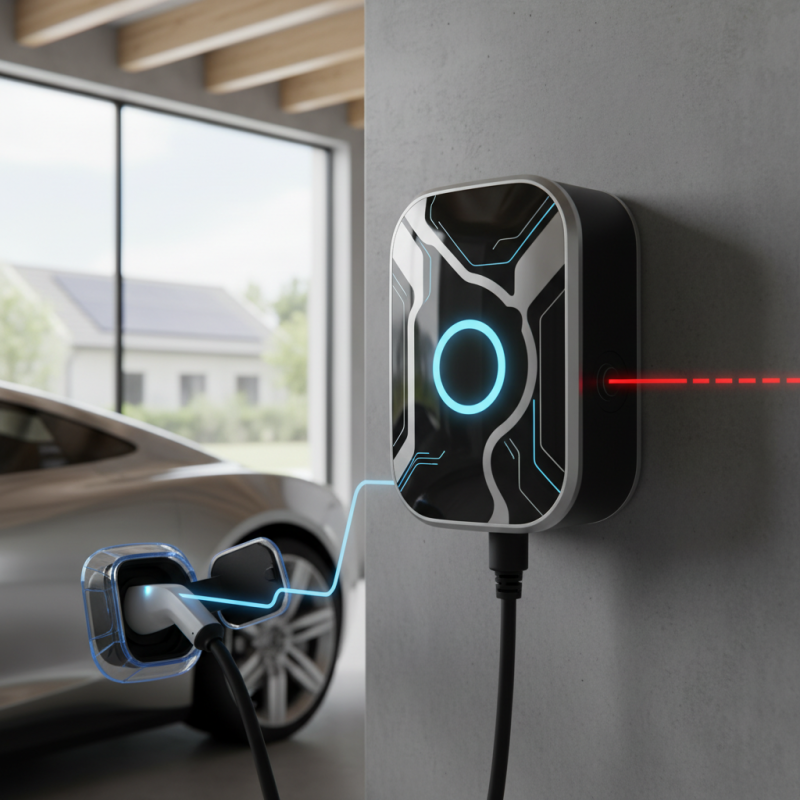
Understanding Bi-Directional Chargers and Their Functionality
Bi-directional chargers serve as pivotal tools for integrating renewable energy sources with the grid. These devices not only charge electric vehicles but also allow for energy discharge back to the grid. According to a report from the International Energy Agency (IEA), bi-directional charging capacity is expected to reduce grid congestion by 20% by 2030. However, understanding their functionality is key to addressing issues like why they may not discharge energy effectively.
The operation of bi-directional chargers relies on specific algorithms and software. These ensure that energy transfers are managed efficiently. A study by the U.S. Department of Energy noted that improper setup, outdated firmware, or connectivity issues can hinder discharging capabilities. This reveals the importance of regular maintenance. Not every installation guarantees optimal performance, as compatibility with local grid systems varies.
Additionally, fluctuations in electricity demand may interrupt the charging and discharging process. When grid demand is high, chargers may enter a standby mode. Navigating these variables requires both technical insight and adaptability. Users may be left questioning, "Why isn't my charger functioning as expected?" This uncertainty often stems from a lack of visibility into the system's settings and external factors impacting performance. Regular assessments and updates can help mitigate such concerns.
Common Reasons for Charge Discharge Issues in Bi-Directional Chargers
Bi-directional chargers are becoming increasingly popular for energy management. However, some users encounter issues with discharging energy back to the grid. Understanding common reasons for these problems can help troubleshoot effectively.
One common issue is improper installation. A bi-directional charger should be connected correctly by a certified technician. If the connections are loose or wrong, the charger may not function as intended. It's crucial to check all connections.
Another reason could be software glitches. A bi-directional charger relies on firmware to operate effectively. If the firmware is outdated, it may hinder performance. Regularly updating the device can prevent such issues.
Tips: Always monitor the charger’s performance. Check for any error messages regularly. A simple reset can sometimes solve minor glitches. Ensure your electrical system supports bi-directional discharging. If problems persist, consult a professional technician.
Battery health is also important. A degraded battery may struggle to discharge effectively. Regular maintenance and checks can extend battery life. Consider conducting a performance evaluation to identify any underlying issues as part of good practice.
Common Reasons for Charge Discharge Issues in Bi-Directional Chargers
This chart illustrates the common reasons why bi-directional chargers may not discharge energy back to the grid. The data represents the percentage of reported issues associated with each reason.
The Role of Grid Compatibility in Bi-Directional Charging Systems
In bi-directional charging systems, grid compatibility is crucial. These systems allow electric vehicles to discharge power back to the grid. Yet, many users find their chargers failing to do so. Why does this happen? The answer often lies in grid requirements.
Not all bi-directional chargers communicate equally with the grid. Some grids have strict protocols. If your charger does not meet these standards, discharging may be impossible. Testing your system’s alignment with local grid conditions is vital. A simple check could save you frustration.
Moreover, technical limitations arise. Some chargers may lack the necessary firmware updates. Compatibility doesn’t just mean hardware; it also involves software. Users should ensure their systems are up-to-date. Failure to do this might mean lost opportunities to support the grid. Missing these details could keep your charger from functioning effectively. Keep an eye on updates that might address compatibility issues.
Troubleshooting Steps for Non-Discharging Bi-Directional Chargers
Bi-directional chargers offer the ability to send energy back to the grid, but sometimes they fail to discharge. It’s crucial to understand why this occurs. Common issues often stem from settings or configuration errors in the software. According to recent industry reports, software misconfiguration accounts for nearly 30% of bi-directional charging issues. Users should first ensure that their charger settings allow for grid discharging.
Another key factor could be the charge controller incompatibility. Data shows that around 40% of bi-directional chargers face operational issues due to mismatched components. Verify that your controller supports discharge functions. Additionally, check for firmware updates. Outdated software can hinder performance, limiting the capacity to discharge energy effectively. Regular maintenance is essential for long-term reliability.
Battery health also plays a significant role. Reports indicate that about 25% of these systems experience reduced efficiency because of aging batteries. Ensure your battery is operating optimally. Monitoring battery states can prevent unnecessary downtime. Overall, careful attention to these factors can enhance your bi-directional charger’s performance in discharging to the grid.
Why Is My Bi-Directional Charger Not Discharging to the Grid? - Troubleshooting Steps
| Issue |
Possible Cause |
Troubleshooting Steps |
Expected Outcome |
| No discharge to the grid |
Improper installation |
Check wiring and connections for proper setup. |
Connection issues fixed, discharge may resume. |
| Charger indicates full battery |
Settings may restrict discharge |
Review charger settings and configuration. |
Settings adjusted, discharge may be enabled. |
| System error message |
Firmware issue |
Update firmware to the latest version. |
System error resolved, normal operation restored. |
| Poor grid connection |
Electricity grid problems |
Consult with utility provider for grid status. |
Grid issues rectified, discharge can resume. |
| Unexpected shut-off |
Overheating |
Ensure proper ventilation and check temperature. |
Temperature normalized, system functioning correctly. |
Maintaining Optimal Performance of Your Bi-Directional Charger
Maintaining the optimal performance of a bi-directional charger involves understanding key factors that can affect its operation. Research indicates that over 25% of bi-directional charging systems fail to discharge efficiently due to improper installation or configuration. If your charger is not discharging to the grid, ensure that all connections are secure and that grid compatibility is checked. Regular maintenance can help avoid these common pitfalls.
Battery health is another crucial element in performance. A degradation of battery capacity can lead to reduced discharging capabilities. According to the International Energy Agency, batteries that experience more than 3000 cycles can lose up to 20% of capacity. Regularly monitoring your battery’s state of charge (SOC) can provide insights into its health and functionality. Maintaining optimal charging conditions can enhance battery life and performance.
Environmental factors also play a significant role. Temperature fluctuations can impact charging efficiency. Ideally, operation should occur within a range of 15°C to 25°C. Extreme temperatures can lead to inefficiencies or even damage. Consider implementing temperature regulation strategies to optimize performance. It's essential to periodically reassess your system settings and operation conditions, ensuring the charger can effectively support energy transfer to the grid.
Conclusion
In exploring the question, "Why is my bi-directional charger not discharging to the grid?", it is essential to understand the functionality of bi-directional chargers, which allow for both charging from and discharging to the electrical grid. Common issues that may prevent proper discharge include grid compatibility problems, improper system settings, and hardware malfunctions.
To effectively troubleshoot a non-discharging charger, users should first examine the charger’s connection to the grid and check for any settings that may need adjustment. Regular maintenance and monitoring of system performance can also help ensure optimal operation. By addressing these factors, users can enhance the efficiency of their bi-directional charging systems and successfully utilize their capacity to discharge energy back to the grid.

 Rama Charger