Electric vehicles (EVs) are transforming energy consumption for homeowners. Among the evolving technologies, V2G (Vehicle-to-Grid) and V2H (Vehicle-to-Home) stand out. Understanding "What is the difference between V2G and V2H for homeowners?" is crucial as these systems impact energy efficiency and cost savings. According to a recent report by the International Energy Agency, integrating EVs into energy systems could reduce greenhouse gas emissions by up to 30%.
V2G allows vehicle owners to feed electricity back to the grid. This system can stabilize the grid during peak demand. In contrast, V2H enables homeowners to draw energy directly from their EV to power their homes. This technology helps in reducing reliance on traditional energy sources. Recent studies show that homeowners using V2H could lower energy bills by up to 50%.
Choosing between V2G and V2H may seem straightforward, but it involves various considerations. Homeowners must reflect on their energy needs and financial goals. Moreover, the performance of each system can vary based on local regulations and infrastructure. A thorough understanding of both technologies is essential for making an informed decision.
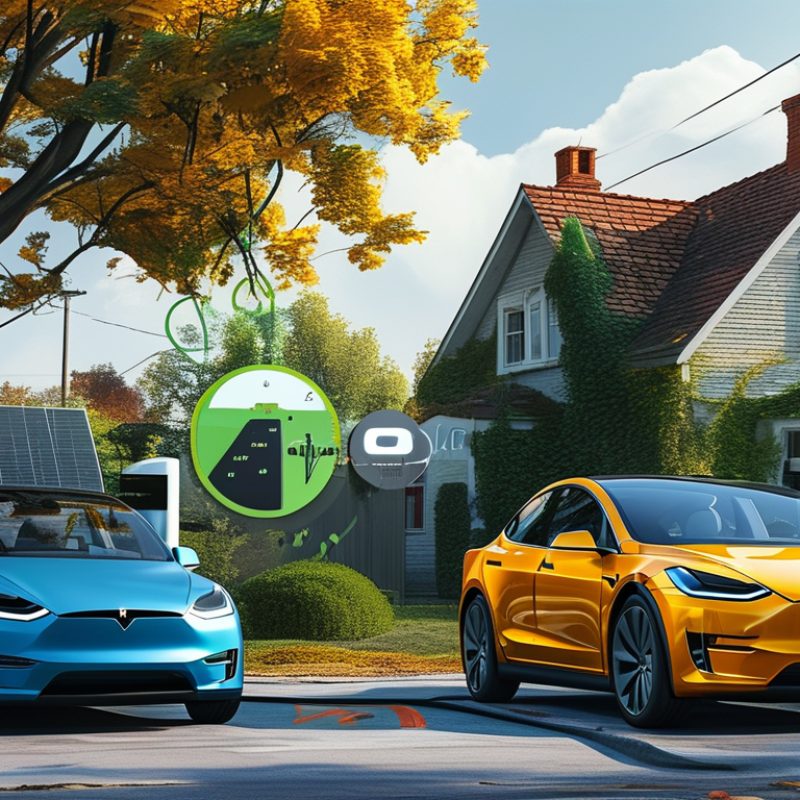
Vehicle-to-Grid (V2G) technology is a game changer for homeowners. It allows electric vehicles (EVs) to send excess energy back to the grid. This process helps balance energy supply and demand. Homeowners can benefit financially by selling energy during peak times. Understanding how V2G works is crucial for smart energy management.
Tips: Consider the amount of energy your EV can store. Assess your energy needs carefully. Not all vehicles support V2G. Research compatibility before making a decision.
V2G connects your car to the electrical grid. During low energy demand, your car charges up. When demand peaks, your car delivers energy back. This flow can help reduce energy costs. However, some homeowners may find the technology daunting. It requires a smart charger and potentially complex setups. Engaging with local energy experts can ease this transition.
Tips: Keep an eye on local incentives for V2G systems. These programs can help offset installation costs. Engage with your utility company for guidance. They may provide insights into the best practices for V2G integration.
Vehicle-to-Home (V2H) systems provide homeowners with a unique solution for energy management. These systems allow electric vehicles to supply power to a home. This can be especially beneficial during peak demand hours or outages. Homeowners can use energy stored in their vehicle's battery. This means more independence from the grid.
V2H systems lead to potential cost savings. Homeowners can avoid high energy prices during rush hours. Additionally, they can store renewable energy when it’s abundant. This creates a more sustainable home environment. However, not all vehicles support V2H technology. Homeowners need to verify compatibility before investing in these systems.
Embracing V2H might seem overwhelming at first. There are technical questions and installation hurdles. The upfront costs can be significant, which often causes hesitation. Yet, as technology advances, these systems are becoming more user-friendly. With a bit of research and a willingness to adapt, homeowners can reap the benefits of V2H.
V2G (Vehicle-to-Grid) and V2H (Vehicle-to-Home) are innovative energy management systems utilized by homeowners. Both serve distinct functions in leveraging electric vehicles (EVs) as energy resources. Data from the International Energy Agency (IEA) indicates that by 2030, the number of EVs on the road could reach around 145 million. This growth opens numerous opportunities for homeowners to optimize energy usage.
V2G enables EVs to supply excess energy back to the grid during peak demand. This not only provides financial incentives for homeowners but also contributes to grid stability. A report from Navigant Research highlights that V2G technology can potentially reduce energy costs by up to 40%. In contrast, V2H focuses on direct power supply to a home. This setup allows homeowners to utilize their vehicle’s battery during outages, ensuring a reliable energy source.
While both systems have advantages, they are not without challenges. The necessary infrastructure for V2G is still developing. Additionally, homeowners may face limitations in charging speed and battery wear from constant cycling. According to a study by the Electric Power Research Institute, managing vehicle batteries effectively is crucial. An imbalance between supply and demand can lead to inefficient energy use and reduced battery lifespan. This ongoing evolution in energy management will require significant attention.
Homeowners are increasingly exploring Vehicle-to-Grid (V2G) and Vehicle-to-Home (V2H) technologies. Both offer unique benefits that cater to energy needs, yet they serve different purposes. V2G enables electric vehicles (EVs) to send energy back to the grid. This can help stabilize energy supply, particularly during peak demand. According to a report from the National Renewable Energy Laboratory, V2G systems could provide up to $2 billion in annual benefits.
On the other hand, V2H focuses on using an EV's stored energy to power a home. This is particularly beneficial during power outages or high-rate hours. Homeowners can achieve energy independence, minimizing reliance on the grid. Data from the Electric Power Research Institute suggests that homes equipped with V2H technology could save an average of 20% on annual energy costs.
While both systems present advantages, challenges remain. The initial investment for these technologies can be high. There is also a need for policy support and infrastructure development to maximize their impact. Homeowners must weigh these factors against the potential savings and environmental benefits. As technology evolves, the integration of V2G and V2H could reshape our energy landscape, allowing for more sustainable living.
The integration of Vehicle-to-Grid (V2G) and Vehicle-to-Home (V2H) technologies is revolutionizing energy solutions for homeowners. V2G allows electric vehicles (EVs) to send power back to the grid, enhancing energy reliability and demand response. On the other hand, V2H connects EVs directly to a home, providing a backup power source during outages. This dual capability can enable homeowners to optimize energy use and save on bills.
Adopting these technologies requires thoughtful planning. Homeowners need to consider their energy consumption patterns. Understanding peak usage times is crucial for effective V2G implementation. Without this knowledge, homeowners risk not maximizing potential savings, which could make the investment less appealing. V2H systems can also experience challenges, particularly in managing energy flow efficiently. Mismanagement here can lead to unnecessary energy losses.
Flexibility remains key in these systems. Homeowners could benefit from smart home integration, allowing them to control energy flow dynamically. However, there may be a learning curve linked to these innovations. As users adopt V2G and V2H, adaptation is essential. Embracing this change offers significant potential but requires an informed and proactive approach.
: A V2H system allows electric vehicles to supply power to homes, especially during outages or peak demand.
V2H systems help save on energy costs and provide energy independence from the grid.
No, not all vehicles support V2H technology. Compatibility must be verified before purchase.
Yes, the initial investment can be significant and may deter some homeowners from adopting V2H.
Yes, V2H systems are particularly useful for powering homes during outages, providing reliable backup energy.
Homes with V2H technology could save around 20% on annual energy costs, according to research data.
Installation hurdles, technical questions, and high upfront costs are common challenges faced by homeowners.
V2H uses vehicle energy for home power, while V2G sends energy back to the grid for stabilization.
V2H promotes sustainability and can reduce energy dependence, which is appealing in today’s energy environment.
Yes, V2H systems are becoming more user-friendly as technology advances, making it easier for homeowners to adopt.
The article titled "What is the Difference Between V2G and V2H for Homeowners?" delves into the innovative technologies of Vehicle-to-Grid (V2G) and Vehicle-to-Home (V2H) systems, shedding light on their respective functionalities for homeowners. V2G allows electric vehicles (EVs) to send energy back to the grid, thus supporting energy management and grid stabilization. In contrast, V2H enables homeowners to utilize energy stored in their EVs directly for household needs, providing an alternative energy source during peak demand times or outages.
Understanding the key differences between V2G and V2H is crucial for homeowners looking to optimize their energy solutions. Both technologies offer significant benefits, including cost savings and increased energy independence. The integration of V2G and V2H systems can enhance a homeowner's overall energy management strategy, aligning with modern sustainable living practices and contributing to a greener future.

Rama Charger