As electric vehicles (EVs) gain popularity, the demand for efficient charging solutions increases. In fact, the global DC fast charging market is projected to grow at a compound annual growth rate (CAGR) of 27.4% from 2021 to 2028, according to a recent industry report. This growth highlights a need for robust infrastructure. So, what are the essential components inside a DC charging station?
DC charging stations provide rapid charging for electric vehicles, significantly reducing downtime. These stations are complex systems requiring high-quality components to ensure safety and reliability. Key elements include power conversion systems, communication protocols, and user interfaces. Each part plays a crucial role in the overall functionality of the station. However, not all charging stations are made equal; some may overlook critical safety features, posing risks for users.
Understanding the essential components can help stakeholders make informed decisions when investing in charging infrastructure. It's vital to consider factors like installation costs, maintenance requirements, and technological advancements. Ultimately, a well-designed DC charging station not only meets user expectations but also supports the broader transition to sustainable transportation.
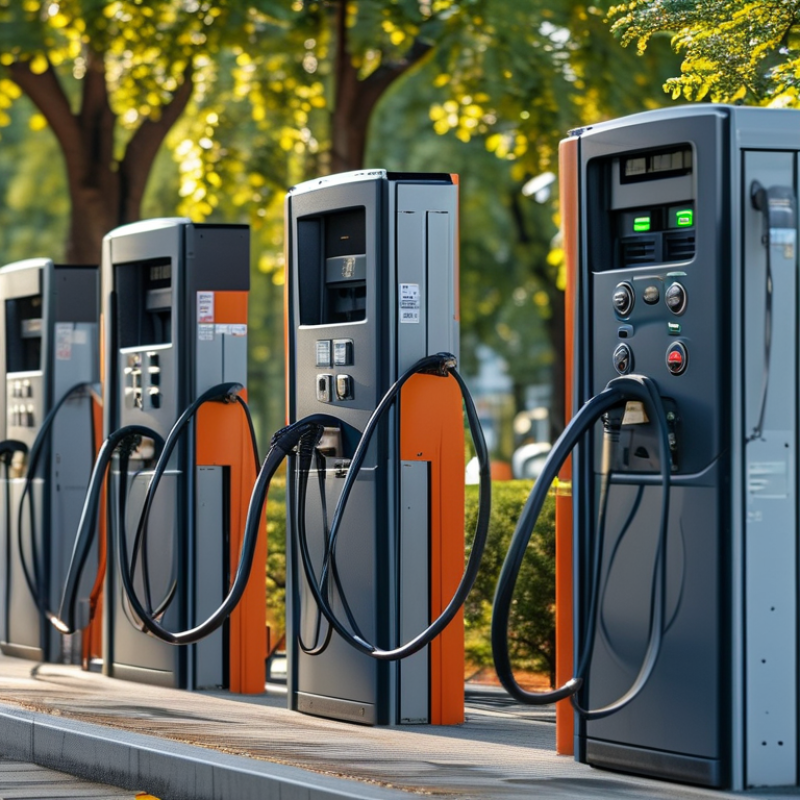
Key Purpose and Function of DC Charging Stations
DC charging stations play a crucial role in the electric vehicle (EV) ecosystem. Their primary purpose is to provide fast charging solutions for EVs, making it easier for users to charge their vehicles quickly and efficiently. According to a report by the International Energy Agency, global EV sales have surged, exceeding 10 million in 2022. As the number of EVs grows, so does the demand for reliable DC charging infrastructure.
These stations work by converting AC power into DC, allowing for significantly faster charging. Most DC stations can deliver power levels between 50 kW to 350 kW. This rapid flow of energy means EVs can charge from 20% to 80% in about 30 minutes. Users appreciate this convenience, especially on long trips. However, it’s essential to ensure that installation sites are strategically placed. Poorly located stations can lead to accessibility issues, highlighting the need for careful planning.
Investing in quality components can improve the reliability of DC charging stations. Regular maintenance is vital to ensure optimal performance. Keep in mind that user experience is crucial. Poor user interfaces or slow service can deter repeat usage. Engaging with the community to understand their needs can help create a more effective charging network.
Core Electrical Components of a DC Charging Station
When setting up a DC charging station, understanding its core electrical components is vital. The main elements include the power conversion unit, which transforms AC to DC, and the charging control system that manages the charging process. Robust connectors ensure safe connections and effective power transfer. The station must also have protective devices like circuit breakers to prevent overloads.
Tips for installation: Ensure proper grounding to avoid electrical issues. Good grounding fundamentally improves safety. The infrastructure should support the power requirements. Insufficient capacity can lead to malfunctions.
Moreover, a reliable communication system is crucial. It allows the station to interact with the vehicle and monitor charging status. Real-time data helps manage the station efficiently. Think about scalability, as future charging demands can change. Planning ahead can save time and costs later on.
User Interface and Payment Processing Features
The user interface and payment processing features of a DC charging station are critical to enhancing the user experience. A well-designed interface should be intuitive and user-friendly. Research indicates that 70% of users value ease of navigation in charging station apps. Simple icons and clear instructions can make a significant difference in user satisfaction. It's essential for the interface to accommodate users of all tech-savvy levels, as not all drivers are experts in technology.
Payment processing is another vital aspect. A seamless experience is key, where transactions should take just a few taps. Reports show that 63% of users prefer contactless payment options. Integration of various payment methods can enhance accessibility. Some stations lack diverse options which can frustrate users. Transparency in pricing is also crucial; users should have clear information on costs upfront. Addressing these concerns can significantly improve user trust and station usage metrics.
Additionally, feedback mechanisms allow users to report issues instantly. However, many stations do not utilize this feature effectively. Gathering user insights can provide essential data for future improvements, which is often overlooked. Regular updates to the interface based on user feedback can lead to enhanced satisfaction and loyalty. Monitoring these components closely is imperative for the growth of the DC charging ecosystem.
Safety Standards and Compliance in DC Charging Stations
In the world of electric vehicle (EV) charging, safety standards are paramount. DC charging stations operate at high voltage levels, often above 400 volts, which can pose significant risks if not properly managed. A report from the International Electrotechnical Commission highlights that improper installation can lead to fires or electric shocks. Therefore, compliance with safety standards like IEC 61851 and UL 2202 is essential. These guidelines ensure that charging stations are built to withstand various environmental factors and handle the high power output safely.
Regular inspections and maintenance are critical components of operational safety. A study by the National Fire Protection Association suggests that nearly 12% of charging station incidents stem from equipment failure. This detail underscores the importance of adhering to stringent safety protocols. Training for operators and users on emergency procedures is often overlooked. Such training can make a significant difference in averting accidents. Engaging relevant stakeholders in the safety conversation ensures a comprehensive approach to risk management.
Moreover, local regulations play a crucial role in enhancing safety measures. Many municipalities have unique requirements that go beyond national standards. Compliance can be a challenge, especially for new installations. Continuous education on evolving safety standards cannot be underestimated. Stakeholders must remain alert to changes in technology and legislation. This proactive stance not only enhances safety but also builds public trust in EV infrastructure.
Top 10 Essential Components of a DC Charging Station - Safety Standards and Compliance
| Component |
Description |
Importance |
Compliance Standards |
| Charging Connector |
Interface for vehicle connection to the charging station. |
Ensures compatibility and secure connections. |
IEC 62196 |
| Power Electronics |
Converts AC to DC power for electric vehicles. |
Critical for charging efficiency and speed. |
UL 2202 |
| Safety Mechanisms |
Devices that prevent overcurrent, overheating, and short circuits. |
Protects both vehicle and charging station. |
ISO 15118 |
| User Interface |
Displays charging status and facilitates user interaction. |
Enhances user experience and operational transparency. |
IEC 61850 |
| Communication Protocols |
Enables data exchange between vehicle and charger. |
Facilitates integration into smart grid systems. |
DIN 70121 |
| Cooling Systems |
Maintains operational temperature of charger components. |
Ensures longevity and reliability of charging station. |
UL 1995 |
| Enclosure |
Protects internal components from environmental factors. |
Prevents damage and ensures safety. |
IP67 Rating |
| Energy Management System |
Optimizes charging based on demand and energy prices. |
Promotes efficient energy use and cost savings. |
IEEE 1547 |
| Surge Protection |
Protects against voltage spikes and surges. |
Essential for safety and equipment protection. |
IEEE C62.41 |
| Payment System |
Allows users to pay for charging services. |
Facilitates transactions and improves user convenience. |
PCI DSS Compliance |
Infrastructure and Installation Requirements for DC Charging Stations
When establishing a DC charging station, several key infrastructure and installation requirements come into play. Electric supply capacity is paramount. The site must have adequate electrical infrastructure to handle high voltage demands. This often means upgrading existing electrical systems, which can be complex and costly. Site location is critical. It should be easily accessible for users. Visibility can attract more customers, but that often requires careful planning and community approval.
Another vital aspect is safety compliance. Installing DC chargers involves adhering to local and national safety regulations. This requires detailed assessments and possibly additional equipment. Grounding and surge protection are essential to prevent electrical hazards. Space is also a consideration. Sufficient room is needed not just for the charging units but for maneuvering vehicles safely. A poorly designed layout can frustrate users.
Lastly, regular maintenance cannot be overlooked. Frequent checks ensure the reliability of the charging station. It’s not just about installing the equipment but keeping it operational over the long term. Continuous serviceability planning can save costs in the future. While these elements might seem straightforward, failure to address them adequately can lead to significant operational challenges. Understanding these considerations thoroughly is essential.
Conclusion
The article titled "Top 10 Essential Components of a DC Charging Station" provides an insightful overview of what are the essential components inside a DC charging station. It begins by outlining the key purpose and function of these stations, which facilitate rapid charging for electric vehicles, significantly reducing downtime for users. The core electrical components are then examined, emphasizing the role of power electronics, connectors, and transformers in ensuring efficient energy transfer.
Moreover, the article discusses the importance of user interface and payment processing features, which enhance the user experience while ensuring secure transactions. Safety standards and compliance are also covered, highlighting the necessary regulations that ensure safe operation. Finally, the infrastructure and installation requirements are addressed, underscoring the need for proper site selection and technical support to facilitate effective deployment. This comprehensive understanding helps in recognizing the critical elements that make DC charging stations a vital part of the electric vehicle ecosystem.

 Rama Charger