What Happens When an EV Charger Loses Wi-Fi Connection?

Time:2026-07-02 Author:Oliver
0%

Electric vehicles (EVs) are quickly becoming mainstream, with over 10 million on the roads in 2022. As their popularity grows, the need for reliable charging infrastructure is critical. A fundamental component of many modern EV chargers is their connectivity features, which often rely on Wi-Fi. However, this raises an important question: what happens if an EV charger loses Wi-Fi connection?

When a charger loses its connection, users may face operational challenges. Reports indicate that around 20% of users encounter connectivity issues with charging stations. This can hinder the charging process, affecting user experience and the overall convenience of EV ownership. Furthermore, cloud-based services may become unavailable, limiting remote monitoring and updates. Without these functionalities, troubleshooting becomes harder.

Interestingly, many consumers are unaware of the implications of losing Wi-Fi at a charging station. This gap in knowledge puts stress on users and can lead to mistrust in the technology. The industry must address these concerns by ensuring that charging systems can operate without constant connectivity. Enhancing reliability is crucial for user satisfaction and future EV adoption.
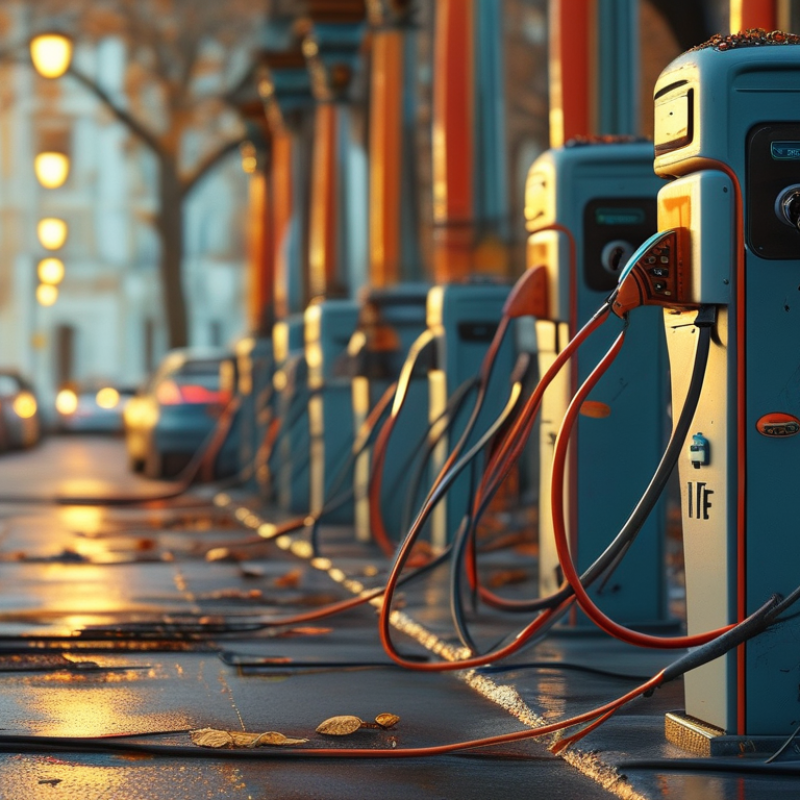
What Happens When an EV Charger Loses Wi-Fi Connection?

Understanding Wi-Fi Connectivity in Electric Vehicle Chargers

Wi-Fi connectivity plays a crucial role in the functionality of electric vehicle (EV) chargers. These chargers often rely on a stable Wi-Fi connection for updates and remote monitoring. When an EV charger loses Wi-Fi, it can affect charging operations. Users might not receive notifications about charging status. This could lead to unexpected downtime for the vehicle.

Issues can arise when software updates are required. Without Wi-Fi, an EV charger may miss critical updates. This not only impacts performance but may also jeopardize the safety of the charging process. A lack of Wi-Fi could hinder features like smart scheduling or energy monitoring. Users may find themselves manually resetting devices, which can be inconvenient and time-consuming.

Further complications can emerge with troubleshooting. A Wi-Fi disconnected charger can prompt more errors. Users may struggle to identify the root cause of charging failures without a reliable connection. This situation emphasizes the need for better design in EV chargers, ensuring they can function reliably during Wi-Fi outages. Evaluating these aspects helps improve the overall user experience.

Common Causes of Wi-Fi Connection Loss in EV Chargers

Wi-Fi connection loss in EV chargers can disrupt the charging process. Understanding the common causes can help users troubleshoot issues effectively. One major cause is network interference. This interference might stem from physical barriers or electronic devices nearby. Walls, appliances, and even trees can weaken the Wi-Fi signal.

Another factor is the charger’s firmware. If it’s outdated, it may struggle to maintain a stable connection. Regular updates are essential for optimal performance. Users may forget to check for these updates. They might also overlook the importance of router placement. A poorly positioned router may lead to weak signals in certain areas.

In some cases, the internet service provider might experience outages. These interruptions can prevent reliable connectivity as well. Users need to be aware of their ISP's status. Recognizing these factors can help promote a smoother EV charging experience. Keeping a checklist of potential issues can be beneficial. Regularly assessing the environment and equipment helps ensure connections remain stable.

Impact of Wi-Fi Loss on Charging Performance and User Experience

When an EV charger loses its Wi-Fi connection, it can significantly affect both charging performance and user experience. Without a stable connection, many smart features may become inaccessible. Users often rely on their mobile apps to monitor charging times and energy costs. If the Wi-Fi is spotty, updates can be delayed or lost. This can create confusion and impact energy planning.

Charging performance might not drop drastically, but the convenience does. Scheduled charging times often depend on Wi-Fi connectivity for optimization. Users may find themselves unable to take advantage of off-peak rates. Moreover, troubleshooting issues becomes more challenging without remote access. It's an experience that can lead to frustration for many.

Tips: Ensure your charger is placed within range of your Wi-Fi router. This helps maintain a strong connection. Regularly check for updates for your charging app. Sometimes, an outdated app can cause connectivity issues. Lastly, consider investing in a Wi-Fi extender if loss of signal is common in your area. Maintaining a reliable connection can enhance your overall charging experience and prevent interruptions.

Impact of Wi-Fi Loss on EV Charging Performance

Troubleshooting Wi-Fi Issues with EV Chargers

Wi-Fi connectivity issues can hinder the performance of electric vehicle (EV) chargers. Many EV chargers depend on stable connections for software updates and real-time monitoring. Without Wi-Fi, users may face limitations in accessing data and controlling charging sessions remotely. A report from the International Energy Agency (IEA) highlighted that approximately 40% of EV users rely on smart chargers, making this a relevant issue.

Troubleshooting Wi-Fi problems involves checking local network settings first. Ensure that the router is functioning correctly and within range. Signal interference can significantly affect connectivity. Physical obstacles like walls or even appliances can disrupt Wi-Fi signals. A survey revealed that 30% of EV charger users have experienced connection issues due to these factors.

Regular maintenance of both the charger and the router is essential. Updating router firmware can improve performance. In some cases, users may need to reset the charger or move it closer to the Wi-Fi source. The frustration of losing a connection can prompt users to reassess their home network setup. Investing in a stronger router or range extender might be necessary for some, ensuring reliable charging experiences for EV owners.

What Happens When an EV Charger Loses Wi-Fi Connection? - Troubleshooting Wi-Fi Issues with EV Chargers

Issue Symptoms Potential Solutions Estimated Downtime Frequency of Occurrence
Connection Loss Charger unresponsive, no status update Restart charger, check router settings 5-30 minutes Occasional
Slow Charging Longer than normal charging times Test network speed, ensure adequate power supply Variable, depends on resolution Common
Overheating Charger feels hot to the touch Check ventilation, avoid direct sunlight 10-60 minutes Rare
Firmware Issues Updates failing, features not working Reinstall firmware, contact support 30-120 minutes Occasional

Alternative Connection Methods for EV Chargers During Wi-Fi Outages

Wi-Fi connectivity is vital for electric vehicle (EV) chargers. However, outages can occur, disrupting services. In such cases, alternative connection methods are essential to keep charging uninterrupted. One effective solution is using mobile data. Many EV chargers feature smartphone apps allowing users to switch to mobile networks. This switch can provide a temporary fix during Wi-Fi failures.


Another option is Bluetooth connections. Some EV chargers utilize Bluetooth technology. Users can link their vehicles directly to the charger, facilitating communication without internet access. This method is swift but may require physical proximity. Though it is not a perfect solution, it offers reliability when Wi-Fi is down.


Lastly, hardwiring can be a fallback. Connecting chargers via Ethernet can ensure a stable connection, mitigating risks associated with wireless failure. While this might seem cumbersome, it emphasizes the need for robust alternatives. Planning for Wi-Fi outages is crucial. It helps users maintain access to essential charging functions during unexpected disruptions.

FAQS

: Why is Wi-Fi connectivity important for electric vehicle chargers?

: Wi-Fi is crucial for updates and remote monitoring. Without it, users may miss notifications or updates.

What problems can occur when an EV charger loses its Wi-Fi connection?

Users might experience downtime and charging failures. This can lead to unexpected issues with the vehicle.

What happens if an EV charger misses critical software updates due to Wi-Fi loss?

Missing updates can affect performance and safety. This may compromise the overall charging process.

How can users troubleshoot issues with a disconnected charger?

Without Wi-Fi, users may struggle to identify faults. This complicates the troubleshooting process significantly.

What are some alternative methods to connect EV chargers during Wi-Fi outages?

Mobile data can be used, as well as Bluetooth connections. Hardwiring via Ethernet is another option.

Is switching to mobile data a reliable solution?

It's a good temporary fix. However, users must ensure proper settings on their smartphones.

How does Bluetooth work for connecting EV chargers?

Bluetooth allows direct communication with the charger. Physical proximity is often required for this method.

Can hardwiring an EV charger be cumbersome?

Yes, it may seem inconvenient, but it provides a stable connection during Wi-Fi failures.

Is it common for EV chargers to have multiple connection options?

Many chargers do offer various alternatives. However, not all users are aware of them.

How can users improve their experience with EV chargers during outages?

Planning and understanding available connection methods is vital. It helps users prepare for unexpected disruptions.

Conclusion

When considering the question, "What happens if an EV charger loses Wi-Fi connection?" it is essential to understand the role of Wi-Fi in managing and optimizing electric vehicle (EV) charging experiences. Wi-Fi connectivity allows chargers to communicate with apps and services that provide users with real-time updates, remote monitoring, and control over charging sessions. Common causes for losing Wi-Fi include network issues, interference, or hardware malfunctions, which can negatively impact charging performance and frustrate users.

In the event of a Wi-Fi outage, chargers may revert to default settings or rely solely on local controls, limiting user access to advanced features. Troubleshooting steps such as resetting the charger or router can help restore connectivity. Moreover, alternative connection methods, like cellular data or Ethernet, can be utilized as temporary solutions to ensure that EV charging remains effective even during Wi-Fi disruptions. Understanding these aspects can empower users to better manage their EV charging needs despite connectivity challenges.

Oliver

Oliver

Oliver is a seasoned marketing professional with a wealth of expertise in driving brand awareness and engagement. With a deep understanding of our company's product offerings, he consistently delivers high-quality content that enriches our professional blog. His insights not only shed light on......