How to Install an EV Wallbox Without Upgrading Your Home Grid?

Time:2026-05-13 Author:Madeline
0%

As electric vehicles grow in popularity, many homeowners want charging solutions. A common question arises: "How to install an EV wallbox without upgrading the home grid?" This challenge often feels daunting. Home electrical systems can be complex and intimidating.

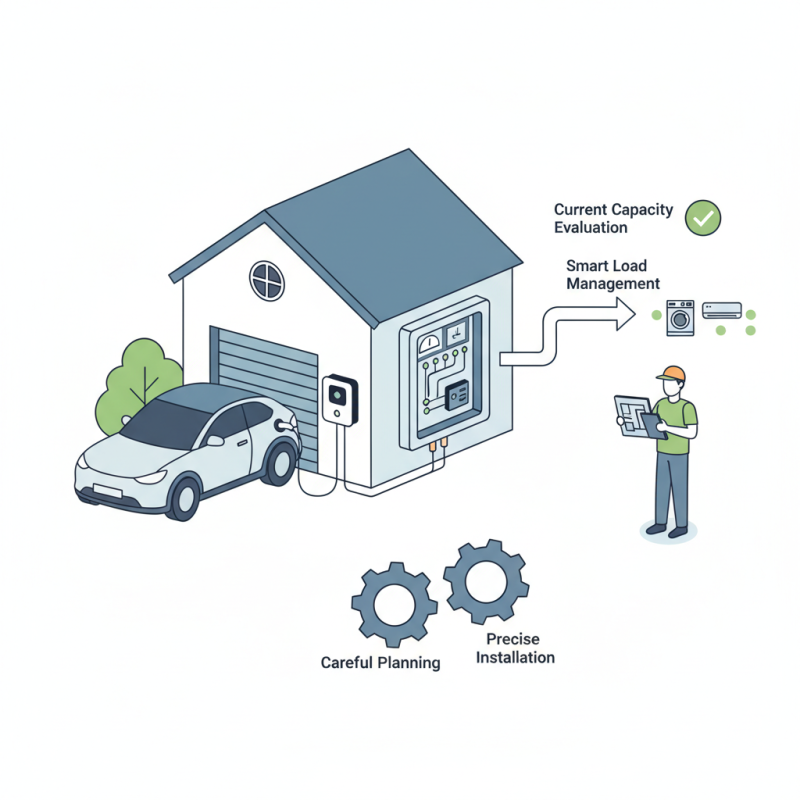
Yet, there are potential solutions. Understanding your current electrical capacity is key. Many homes can accommodate an EV wallbox without major upgrades. Certain wallboxes are designed to operate effectively on standard home electrical systems. They may require careful planning and precise installation.

It's essential to evaluate your home’s electrical panel and wiring. Consulting a professional can provide clarity about compatibility. While the process may appear straightforward, unexpected challenges often surface. Homeowners should be prepared for potential surprises along the way. Embracing these complexities can lead to successful installations, making EV ownership more accessible.
How to Install an EV Wallbox Without Upgrading Your Home Grid?

Understanding EV Wallboxes and Their Compatibility with Home Systems

Electric vehicle (EV) wallboxes are crucial for efficient charging at home. They connect directly to your home electrical system. Compatibility is key when considering installation without extensive upgrades. Many wallboxes are designed to operate within standard home wiring. Yet, it’s vital to check your system’s capacity.

According to the International Energy Agency (IEA), the average home can support an EV charger if it has a dedicated circuit. A typical wallbox operates on a 240-volt circuit. Existing setups may suffice for lower-powered chargers offering up to 3.7 kW. However, for faster charging, you might need adjustments. Homes with older wiring may struggle to support high-demand units, particularly if multiple appliances run at peak times.

While many homeowners focus on purchasing an EV, understanding how their home systems align with wallbox requirements remains essential. Research indicates that over 60% of homeowners are unaware of their electrical capacity. This knowledge gap can lead to unexpected costs and safety hazards. Regular evaluations of your home’s electrical infrastructure can prevent complications during installation. Upgrading might seem daunting, but it can enhance the overall efficiency of your home energy use.

Assessing Your Current Electrical Capacity for EV Charging Installation

Assessing your electrical capacity is crucial before installing an EV wallbox. Understanding your home’s existing electrical load is the first step. Look at your current appliances and their power requirements. Calculate how much power your home typically uses. This will help you determine if you can safely add an EV charger.


Examine your circuit breakers. Check if your electrical panel can handle the additional load. Most EV chargers require a 240-volt circuit. If your panel is not up to capacity, consider the cost of upgrading. It may not be necessary, but it’s a critical detail.


Consider hiring a professional electrician for an assessment. They can evaluate your system's reliability and suggest options. If your capacity is limited, you might need to prioritize your energy usage. Limit high-demand appliances during charging times. Making these adjustments can save energy and protect your home’s electrical system.

Choosing the Right EV Wallbox Model Without Home Grid Upgrades

Choosing the right EV wallbox model is crucial if you want to avoid upgrading your home grid. Many models cater to existing home setups. First, assess your current electrical capacity. Understanding your system can save you from unwanted upgrades.


Look for wallboxes that offer adjustable power levels. This feature allows you to match the charging speed to your home’s limitations. Some models support lower power outputs, making them compatible with older home wiring.


Also, check the compatibility with your vehicle. A wallbox might have amazing features but won't help if it doesn't work with your car.
Don’t forget to consider installation space. Some wallboxes require more room than others. Ensure your chosen model fits within your area without causing safety issues.


Finally, consult with a certified electrician. Their insights can be invaluable in making the right choice. This step can prevent potential complications later.

DIY Installation Steps for EV Wallbox with Existing Electrical Setup

Installing an EV wallbox at home can enhance convenience without needing a full grid upgrade. Many homeowners face challenges due to limited electrical setups. It is crucial to understand the current capacity of your home’s electrical system. A typical home can handle a load between 100 to 200 amps. According to industry reports, only about 22% of households are equipped with adequate systems for high-capacity charging.

Begin by evaluating your current electrical panel. If it is outdated, it may not support the additional load. A detailed assessment of circuit breakers and wiring is necessary. Homeowners often overlook these elements, which can lead to inefficiencies. For instance, a poorly sized circuit can lead to thermal overloads and project delays.

Once you have a clear understanding of your setup, you can follow DIY installation steps. Prioritize safety when dealing with electrical components. Use proper tools and take preventive measures. Many resources emphasize that understanding your meter's compatibility with the EV wallbox is essential. Neglecting these details can cause future complications. Whether you are a novice or seasoned DIYer, ensuring every step is executed with care is vital for success.

Safety Considerations and Regulations for Installing EV Wallboxes

When considering the installation of an EV wallbox, safety is paramount. Before proceeding, familiarize yourself with local regulations governing electric vehicle charging. Building codes can vary significantly by region. Consult with your local electrician about specific requirements for EV charging stations. This ensures that your installation complies with all safety standards.

Check if your home’s electrical system can support the new load. Even if you don't upgrade your entire grid, the existing setup should meet certain capacity thresholds. It's wise to conduct a thorough inspection of your electrical panel. Look for any signs of wear or insufficient capacity. This step can prevent future hazards like overloads or electrical fires.

Consider installing a dedicated circuit for the wallbox. This helps isolate the charging unit from other home appliances. A differential switch can enhance protection, stopping any faults before they cause harm. Remember, a rushed installation can lead to tragic results. Take your time to assess every detail. Ensuring safety is more important than speed in this process.

FAQS

: How do I choose the right EV wallbox for my home?

: Assess your current electrical capacity to avoid unnecessary upgrades. Look for adjustable power levels that match your home setup.

What if my home has an outdated electrical panel?

An outdated panel may not support the additional load. Check the capacity of your circuit breakers and electrical wiring.

How important is installation space for an EV wallbox?

Installation space is crucial. Ensure the wallbox fits safely in your area without causing any hazards.

Why should I consult a certified electrician before installation?

An electrician can provide valuable insights, ensuring compliance with local regulations and safety standards.

What safety measures should I take when installing an EV wallbox?

Prioritize safety by using proper tools, following installation guidelines, and checking the compatibility of your electrical system.

Are there specific regulations for EV wallbox installation?

Yes, regulations vary by region. Familiarize yourself with local building codes and safety requirements before installation.

Can I perform a DIY installation for an EV wallbox?

Yes, DIY is possible. However, ensure you understand your electrical system and follow safety measures throughout the process.

What are the risks of a poorly planned EV wallbox installation?

Risks include electrical overloads and potential fires. Take time to assess every detail carefully to avoid these issues.

How can I ensure efficient charging with my wallbox?

Choose a wallbox compatible with your vehicle and capable of lower power outputs if your home wiring is older.

What should I do if my circuit is not sized correctly?

Check for thermal overloads and consider updating your circuit to handle the load before installing the wallbox.

Conclusion

In the article titled "How to Install an EV Wallbox Without Upgrading Your Home Grid?", readers will find a comprehensive guide to successfully integrating an electric vehicle (EV) wallbox into their existing home electrical system. It begins with an understanding of EV wallboxes and their compatibility with current home setups, followed by an assessment of the household's electrical capacity to determine if it can support EV charging without requiring substantial upgrades.

The article further explores how to select the appropriate model of EV wallbox that aligns with the existing electrical infrastructure. It then provides detailed DIY installation steps that homeowners can follow to set up their EV wallbox safely and effectively. Finally, safety considerations and relevant regulations are discussed to ensure compliance and safeguard the installation process. This invaluable information equips readers with the knowledge needed to answer the question, "How to install an EV wallbox without upgrading the home grid?

Madeline

Madeline

Madeline is a dedicated marketing professional with a wealth of expertise in our company's core offerings. With a keen understanding of the industry, she brings a unique perspective to her role, consistently delivering high-quality content that highlights the superior aspects of our products. As......