In the shift towards sustainable energy, integrating electric vehicle (EV) charging stations with building management systems is crucial. Businesses and property managers must understand how to integrate EV charging stations with building management systems effectively. This synchronization not only enhances energy efficiency but also boosts user experience and sustainability.
Achieving seamless integration involves careful planning and collaboration among various stakeholders. The technology used for charging stations must align with existing building systems for optimal performance. However, challenges may arise, such as uneven energy distribution or compatibility issues between brands. Addressing these concerns requires expertise and experience in both electrical engineering and software integration.
Building owners must also consider the future of EV technology. The rapid advancement in charging solutions can make existing systems outdated quickly. It is vital to stay informed about new developments to avoid reliance on obsolete technologies. Engaging with specialists on how to integrate EV charging stations with building management systems can mitigate risks and unleash the full potential of this integration.
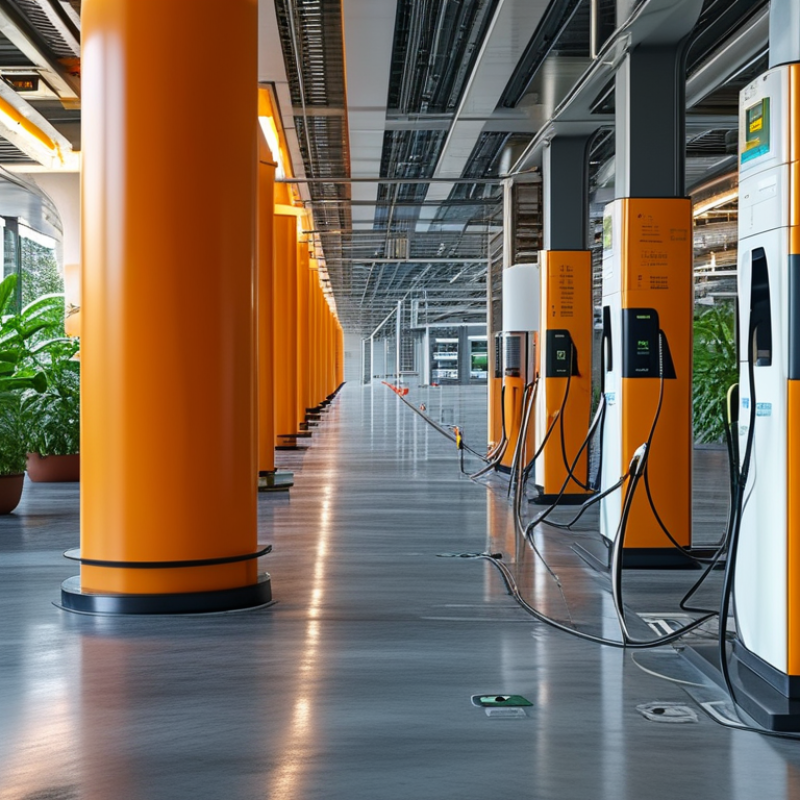
Integrating EV charging stations with building systems begins with a thorough site assessment. Research indicates that optimal placement can boost usage by up to 30%. Consider factors like traffic patterns, accessibility, and proximity to power sources. Each location is unique, requiring tailored strategies for effective deployment.
**Tips:** Evaluate existing electrical capacity. This can prevent costly upgrades later. Collaborate with local utilities for insights. Their expertise often reveals hidden constraints.
Charging stations should be strategically positioned near entrances or parking areas. Visibility encourages usage. According to a study by the International Council on Clean Transportation, charging stations placed closer to main thoroughfares see 50% more traffic. However, overloading a site can lead to congestion. Overly crowded stations discourage drivers.
**Tips:** Maintain clear signage and communication. Regularly gather user feedback to assess station performance. This fosters a culture of improvement and user engagement.
Balancing convenience with practical limits is crucial. Reflecting on these aspects can significantly enhance the integration of EV charging solutions.
| Site Location | Charging Station Type | Number of Stations | Power Output (kW) | Integration with Building Systems | Site Assessment Score (1-10) |
|---|---|---|---|---|---|
| Downtown Parking Garage | Level 2 Charging | 10 | 7.2 | Connected to Building Energy Management System | 8 |
| Corporate Office Complex | DC Fast Charging | 5 | 50 | Integrated with Smart Grid Technology | 9 |
| Shopping Mall | Level 2 Charging | 15 | 7.2 | Monitored through Building Management App | 7 |
| Residential Complex | Level 2 Charging | 12 | 7.2 | Connected to Residential Energy Systems | 8 |
| Airport Parking Lot | DC Fast Charging | 20 | 150 | Real-time Availability Updates | 10 |
: EV charging stations require careful assessment of existing electrical infrastructure. Level 2 stations need around 7.2 kW each.
The capacity depends on the building’s existing infrastructure. Ten Level 2 stations could demand an extra 72 kW.
Miscalculating capacity can lead to system overloads. This can result in costly downtime and repairs for the building.
Smart systems can optimize energy usage and manage peak loads, reducing energy costs by 15% to 25%. This prevents unnecessary upgrades.
Many buildings struggle with outdated systems and lack of standardized protocols. Collaboration with engineers is essential for smooth integration.
Compliance varies by location, and businesses must adhere to local regulations. Understanding these laws is crucial to avoid fines and confusion.
Yes, nearly 40 states offer incentives that can cover up to 30% of installation costs, but navigating these programs can be complicated.
Effective communication helps ensure that installation plans comply with zoning laws, avoiding costly delays or penalties.
Many believe all installations are straightforward. In reality, local regulations can impose restrictions, complicating the process.
Regular audits are essential to maintain security and reliability with smart systems, especially due to potential vulnerabilities.
Integrating EV charging stations with building management systems is becoming increasingly essential as electric vehicles gain popularity. To achieve this, it is crucial to begin with a thorough site assessment and strategic charging station placement to maximize accessibility and efficiency. Understanding the electrical capacity requirements for the charging stations ensures that the building's infrastructure can support the additional load without compromising performance.
Furthermore, the integration of EV charging with smart building management systems allows for real-time monitoring and management, optimizing energy usage and enhancing user experience. Exploring renewable energy options not only promotes sustainability but also aligns with regulatory compliance, which can provide financial incentives for installation. By following these best practices, facility managers can effectively address the question of how to integrate EV charging stations with building management systems, fostering a greener future.

 Rama Charger