The rising popularity of electric vehicles (EVs) is revolutionizing the transportation sector. According to a recent report from the International Energy Agency (IEA), global EV sales surged to over 6.5 million units in 2021. This trend drives the demand for dependable EV charging infrastructure. Businesses that provide these charging services need to ensure their equipment's reliability and efficiency. Hence, the question arises: "Why do I need an EV charger tester for commercial maintenance?"
Using an EV charger tester can significantly enhance service reliability. It identifies issues that may arise during the charging process, which could lead to customer dissatisfaction. A study by the Electric Power Research Institute (EPRI) indicates that undetected faults can lead to costly downtime, directly affecting revenue. Regular testing aids in maintaining optimal performance and boosting customer trust.
In an age where sustainability is paramount, businesses committed to the EV ecosystem must uphold high standards. A well-maintained charging network not only supports EV users but also reflects a brand's commitment to innovation and customer care. Investing in an EV charger tester ensures that maintenance practices align with industry best practices, benefiting both the provider and the consumer.
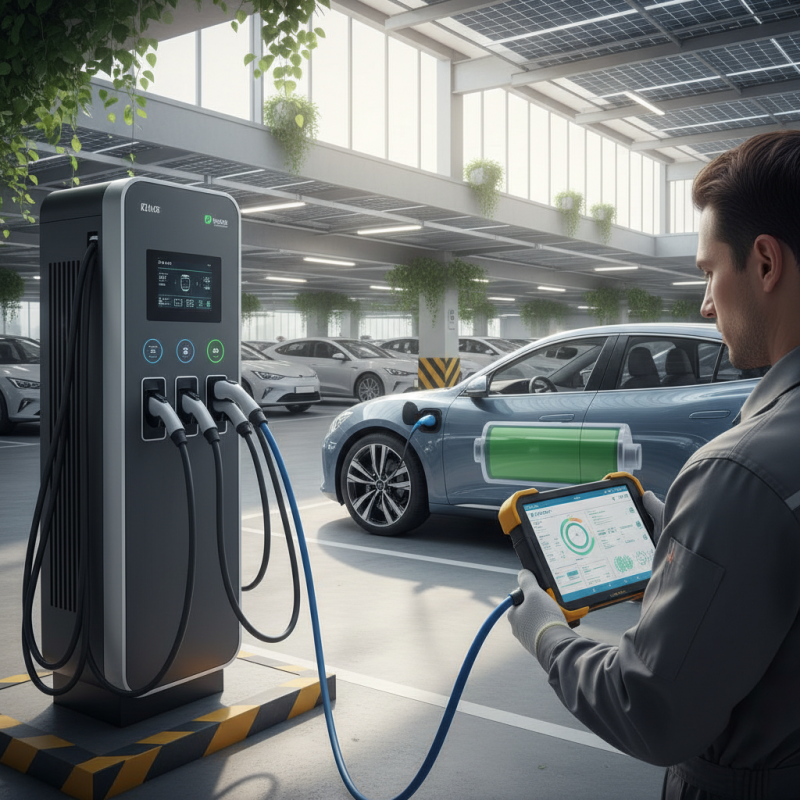
Electric vehicle (EV) chargers are becoming vital in commercial spaces. As more businesses adopt EV charging, the importance of proper testing cannot be overstated. Testing ensures that chargers perform safely and effectively. A malfunctioning charger can lead to user frustration and damage trust in your business.
Regular testing is essential to maintain the reliability of your EV chargers. It ensures they meet safety standards and operate correctly under all conditions. Without it, you risk unexpected downtimes. Downtime leads to lost revenue and dissatisfaction among EV drivers. Testing can reveal issues that could escalate into larger problems, such as overheating or electrical malfunctions.
Having an EV charger tester handy is an investment in your infrastructure. It allows quick identification of faults. Moreover, this practice promotes a proactive approach to maintenance. Regular checks create a safer charging environment. They can also enhance customer loyalty, as users value consistent and reliable charging options. Remember, neglecting this aspect can have long-term repercussions on your business performance.
When selecting an EV charger tester for commercial use, certain key features stand out. One crucial aspect is compatibility. The tester must work with various charging standards and power levels. This flexibility helps accommodate a diverse range of electric vehicles. A reliable tester should also provide accurate readings. This ensures that any issues are quickly identified, which is essential for maintaining customer satisfaction.
Another important feature is durability. A commercial environment can be tough on equipment. A robust tester made from high-quality materials will last longer and require less frequent replacement. Additionally, ease of use matters. A user-friendly interface allows technicians to operate the tester efficiently, reducing downtime during inspections.
There are also advanced functionalities to consider. Features like data logging and connectivity to smartphones can enhance the testing process. These can provide valuable insights into performance and usage patterns. However, not all testers have this capability. It's vital to assess whether these advanced features justify the potential increase in cost. Balancing quality and functionality is essential. Aim for a tester that meets your specific needs without overwhelming you with unnecessary options.
Regular testing and maintenance of EV chargers is essential for commercial use. A well-functioning charger ensures customer satisfaction and trust. If a charger malfunctions, it can lead to long wait times and frustrated customers. An EV charger tester detects issues early, preventing unexpected outages. This proactive approach greatly reduces downtime.
Maintenance checks also ensure compliance with safety standards. Regular inspections allow for timely repairs. It is crucial to avoid potential hazards that may arise from faulty equipment. Issues could range from loose connections to software failures. Routine testing keeps the chargers operating efficiently and reliably in a busy commercial environment.
Moreover, regular testing helps in tracking performance over time. Data collected can reveal patterns or recurring problems. This information can drive decisions on upgrades or replacements. However, not all businesses prioritize this important task. Some may overlook it until a problem arises. This reactive approach can be costly and damaging. Regular maintenance fosters a reliable charging environment and supports the growing EV infrastructure.
As electric vehicle (EV) adoption grows, understanding charging standards is crucial for businesses. Different EVs use varying connectors and charging protocols. For example, CCS, CHAdeMO, and Tesla connectors serve different markets. A 2022 report from the International Energy Agency noted that global public EV charger installations exceeded 1.8 million. Knowing these standards helps ensure compatibility with your fleet and customer vehicles.
Even with extensive knowledge, it's easy to overlook details. A charger might work well with one vehicle but not with another. Businesses should consider conducting regular compatibility tests. These tests help identify potential mismatches in charging infrastructure. It is essential to focus on user experience and avoid user frustration due to incompatible chargers.
Tip: Invest in a reliable EV charger tester. Regularly check that all chargers meet relevant standards. This practice helps prevent downtime and maintains your service quality. Keeping your compatibility tests updated is an ongoing task. Relying on outdated data could lead to costly mistakes. Stay informed, and adjust your infrastructure as EV technology evolves.
This chart represents the distribution of different EV charger types in commercial use. Understanding the compatibility and availability of these chargers is crucial for businesses looking to install EV charging stations.
Investing in an EV charger tester for commercial use can be a game changer. These devices help ensure that charging stations operate efficiently. A well-functioning charger attracts more electric vehicle (EV) users. This can lead to increased revenue streams for businesses. In the long run, reliability pays off.
Cost-effectiveness is a key factor when considering this investment. A malfunctioning charger can lead to lost business and unhappy customers. Regular testing can identify issues before they escalate. Investing in a tester reduces repair costs and downtime. This means you can keep your chargers operational longer.
While some may see test equipment as an added expense, it is crucial for growth. Neglecting charger maintenance can lead to worse problems. A well-maintained charging station enhances your reputation. Customers value reliability, and word spreads quickly. Making the upfront investment in an EV charger tester proves worthwhile over time.
: Look for compatibility with various charging standards. Ensure it accommodates different electric vehicles effectively.
A durable tester is essential due to tough commercial environments. It will last longer and need fewer replacements.
A reliable tester provides precise measurements, identifying issues promptly to maintain customer satisfaction.
A user-friendly interface allows technicians to operate efficiently. This reduces downtime during inspections.
Features like data logging can enhance testing. However, assess if they justify the potential increase in cost.
Conduct regular compatibility tests to identify mismatches. This helps avoid user frustration from incompatible chargers.
It helps prevent repair costs and downtime. A functioning charger attracts more users, increasing revenue streams.
Poorly maintained chargers can lead to lost business and unhappy customers. Reliability is crucial in attracting EV users.
Outdated information can lead to costly mistakes. Adjust your infrastructure as EV technology evolves for better service.
Investing in testers enhances your reputation and ensures operational reliability over time. Reliable chargers lead to satisfied customers.
The article "Why Do You Need an EV Charger Tester for Commercial Use?" emphasizes the critical role of testing EV chargers in commercial applications. It highlights the importance of ensuring that charging stations are functioning efficiently and safely, which is essential for operational reliability. Key features to look for in an EV charger tester include compatibility with various standards and user-friendly interfaces, ensuring businesses can easily conduct assessments and maintenance.
Regular testing and maintenance yield several benefits, such as minimizing downtime, enhancing customer satisfaction, and extending the lifespan of the charging infrastructure. Understanding different charging standards and ensuring compatibility are vital for providing reliable services. Investing in an EV charger tester represents a cost-effective strategy for businesses, answering the question, "Why do I need an EV charger tester for commercial maintenance?" by underscoring the advantages of maintaining high charging standards in a growing electric vehicle market.

Rama Charger