Top 10 Reasons Why Your DC Fast Charger Is Not Fast Enough?

Time:2026-08-02 Author:Sophia
0%

Electric vehicle owners often face the frustrating question, "Why is my DC fast charger not reaching the maximum speed?" This issue can stem from multiple factors. Industry expert Dr. Emily Williams, a leading researcher in electric vehicle technology, once stated, "Charging speed is a complex interplay of vehicle, charger, and environmental factors."

The performance of DC fast chargers is influenced by several elements. Firstly, the vehicle's battery condition plays a crucial role. If the battery is cold, it may not accept a high charge rate. Additionally, the charger's output power and compatibility with the vehicle make a difference. A mismatch can hinder charging efficiency. Furthermore, the environmental temperature can affect performance. Extreme heat or cold can lead to reduced charging speeds.

Many users also overlook software updates. Outdated systems may limit charging capabilities. It's vital to ensure that both the charger and the vehicle have the latest firmware. Reflecting on these points, one might wonder about their own charging setups. Are there unseen factors affecting performance? Addressing these concerns can lead to improved charging experiences and greater efficiency.
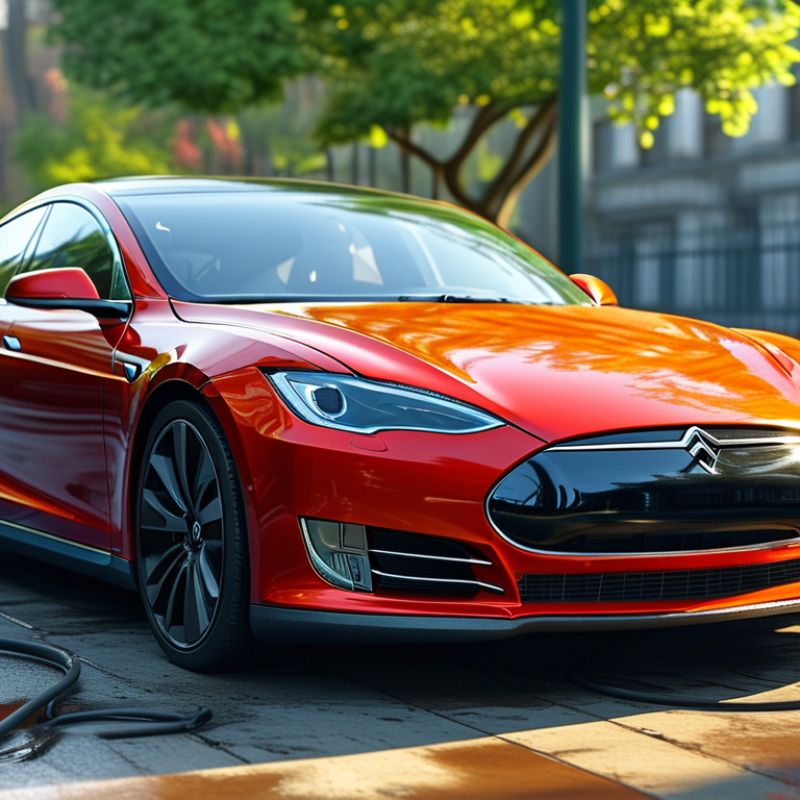
Top 10 Reasons Why Your DC Fast Charger Is Not Fast Enough?

Factors Affecting Charging Speed of DC Fast Chargers

When using a DC fast charger, several factors can significantly impact charging speed. One major element is the environmental temperature. Charging in extreme cold or heat can reduce efficiency. For example, colder temperatures may cause the battery to perform poorly, slowing down the charging process. This situation often leads to frustration, especially for users in regions with harsh climates.

Another critical factor is the state of the battery. If the battery is nearly full, charging speed will naturally slow down to protect the battery's health. Also, the age of the battery can influence its charging capabilities. Older batteries may not receive a charge as quickly as new ones. It's also worth considering the infrastructure itself. The quality of the charger and its maintenance can affect performance. Regular inspections and updates might be necessary to ensure optimal functioning.

Finally, the vehicle's software can play a role. An outdated system may not communicate effectively with the charger, leading to slower rates. Users might find that certain settings impact charging. For instance, enabling energy-saving modes could hinder performance. Reflecting on these aspects can help improve the charging experience and maximize the potential of DC fast chargers.

Compatibility Issues with Electric Vehicle Models

Compatibility issues between DC fast chargers and electric vehicle (EV) models can significantly impact charging efficiency. Not all EVs support the latest fast-charging standards. Many manufacturers still use older protocols. This can lead to slower charging speeds than expected. For example, a vehicle designed for older charging technology may not fully utilize an advanced DC charger. This disconnect can waste time and frustrate drivers.

Moreover, different car models may have unique connectors or charging requirements. Some vehicles may limit the charging power they can accept. If the charger supplies too much power, it may not work at all. Voltage and current discrepancies could lead to damage over time as well. Owners should research compatibility before investing in a fast charger.

Understanding these factors is crucial for optimizing charging experiences. Regular updates from car manufacturers can help. However, not every driver stays informed. Ignoring technical specifications can lead to disappointment. Reflecting on these aspects is vital for a smoother electric vehicle journey. Each charging session is an opportunity for learning and enhancement.

Top 10 Reasons Why Your DC Fast Charger Is Not Fast Enough? - Compatibility Issues with Electric Vehicle Models

Reason Description Impact on Charging Speed
1. Incompatible Connector Types Some EVs require specific connector types which may not be supported by all DC fast chargers. Reduces effectiveness of charging session.
2. Software Limitations Firmware issues in the charger can limit charging speed. May result in slower charging than expected.
3. Battery Capacity and State The state of charge of the vehicle’s battery and its capacity can slow down charging. Impacts total charging time significantly.
4. Environmental Factors Temperature extremes can affect battery efficiency and charging rates. Can decrease charging speed by 20-30%.
5. Charger Power Rating Not all fast chargers provide the same power output. Limits the maximum charging speed.
6. Charging Protocols Different EVs may support different charging protocols, affecting compatibility. Can lead to reduced efficiency or incompatibility.
7. Maintenance Issues Poorly maintained chargers can operate inefficiently. May lead to slower charging sessions.
8. User Error Incorrect usage of the charger can hinder performance. Can waste charging potential.
9. Software Updates Outdated software can hinder charger performance. Can significantly impact charging rates.
10. Voltage Drop Long cable runs can result in voltage drops. May cause suboptimal charging speeds.

Environmental Conditions Impacting Charger Performance

Environmental conditions play a crucial role in the performance of DC fast chargers. Temperature extremes can significantly impact charging speed. In colder weather, batteries take longer to accept a charge. This is because chemical reactions slow down at low temperatures. Conversely, high temperatures can cause charger components to overheat, leading to reduced efficiency.

Humidity and precipitation also affect charging processes. High humidity can lead to electrical issues and degrade charger components. Rain and snow can create additional hazards that hinder performance. Moreover, factors like wind can influence the overall charging experience, adding another layer of complexity.

It’s important to consider these variables when estimating charging times. Users often expect fast charging under any conditions, but that isn’t always realistic. Evaluating your environment can provide insights into charger performance. Sometimes, these conditions may lead to slower-than-expected results, prompting reflection on the importance of adaptability and preparedness.

Quality and Maintenance of Charging Infrastructure

The quality and maintenance of DC fast charging infrastructure significantly impact charging speeds. According to a recent report by the International Energy Agency, inefficient infrastructure can reduce charging speed by up to 30%. Aging components, such as outdated connectors and power supplies, can lead to significant delays. Regular checks are essential to ensure optimal performance and minimize downtime.

One overlooked aspect is the cleanliness of charging stations. Dust and debris can cause overheating, resulting in slower charging rates. The National Renewable Energy Laboratory highlighted that maintaining a clean environment around chargers can improve efficiency. Faulty wiring is another issue. Poor connections can create resistance, directly affecting charging speeds. Many facilities do not conduct routine maintenance checks to address these problems.

Moreover, user interaction often affects speed. Users may not calibrate their vehicles for optimal charging settings. This lack of awareness can lead to slower-than-expected charging times. With the growing number of electric vehicles on the road, infrastructure needs consistent evaluation and improvement. High-quality and well-maintained facilities foster better experiences and faster charging outcomes for everyone.

User Behavior and Charging Habits That Slow Down Charging

User behavior plays a significant role in how quickly an electric vehicle charges at DC fast chargers. One common mistake is not preconditioning the battery. Many drivers neglect this step, especially in colder climates, leading to slower charges. If the battery isn’t warm enough, the charger reduces the power it delivers. Waiting to precondition the battery results in lost time.

Charging habits also matter. Drivers often plug in their vehicles without checking the vehicle’s state of charge. This can lead to excessive charging at lower rates, where the last 20% takes much longer. Additionally, some users leave the charger plugged in after reaching a full charge. This habit contributes to “trickle charging” and can lead to battery degradation over time.

Another factor is the choice of charging location. High-traffic charging stations often experience congestion. Drivers might spend more time waiting than charging. Choosing less popular stations can reduce downtime. Educating users about these habits can lead to better charging experiences for everyone. Simple adjustments can significantly improve charging efficiency.

FAQS

: What environmental factors affect charging speed?

: Extreme temperatures can hinder efficiency. Cold weather may slow down battery performance, resulting in longer charging times.

How does battery state influence charging speed?

A nearly full battery charges slowly to maintain health. Aging batteries also charge less efficiently than new ones.

What role does charger infrastructure play?

Poor-quality infrastructure can reduce charging speed significantly. Regular maintenance is crucial for optimal performance.

How does the cleanliness of charging stations affect speed?

Dust and debris can cause overheating. Maintaining clean chargers improves efficiency and charging rates substantially.

How do user behaviors impact charging times?

Neglecting preconditioning in cold weather slows charging. Additionally, checking charge state before plugging in helps improve speed.

Why is user awareness important for charging efficiency?

Many users do not understand their vehicle's charging needs. Educating users can lead to better charging habits and experiences.

What is the effect of leaving the charger plugged in after full?

This can cause "trickle charging" and degrade the battery over time. It's better to unplug once fully charged.

How does vehicle software affect charging speed?

Outdated software may not communicate well with chargers. Keeping systems updated can lead to faster charging rates.

Conclusion

If you find yourself asking, "Why is my DC fast charger not reaching the maximum speed?" several factors could be at play. The charging speed of DC fast chargers can be significantly affected by compatibility issues with specific electric vehicle models, which means that not all vehicles are capable of utilizing the maximum charging rate. Additionally, environmental conditions such as temperature and weather can impact charger performance, potentially leading to slower charging times.

Quality and maintenance of the charging infrastructure are also crucial; poorly maintained chargers may not operate efficiently. Lastly, user behavior and charging habits, such as waiting until the battery reaches very low levels before charging or not utilizing the highest-rated chargers available, can contribute to prolonged charging durations. By understanding these factors, users can better address the challenges associated with DC fast charging and enhance their overall charging experience.

Sophia

Sophia

Sophia is a dedicated marketing professional with an exceptional depth of knowledge about her company's products and services. With a keen understanding of market trends and customer needs, she crafts insightful blog posts that not only inform but also engage readers, enriching the company’s online......