As electric vehicles (EVs) gain popularity, many owners ponder a critical question: "Is V2G technology safe for my EV battery life?" This technology enables two-way communication between vehicles and the grid, allowing batteries to deliver energy back to the grid during peak demand. However, concerns regarding battery health and longevity arise.
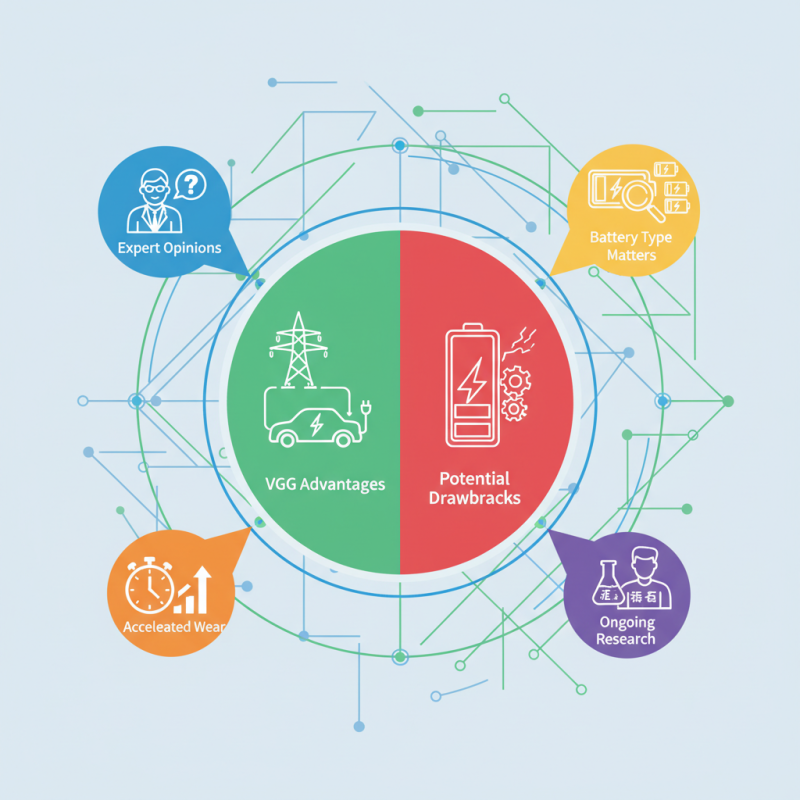
Dr. Emily Taylor, an expert in EV battery technology, states, "V2G can enhance grid stability but may affect battery lifespan." This statement highlights an important consideration. While V2G offers potential benefits, the impact on battery management systems is complex. Frequent cycling can lead to accelerated wear on battery components.
It's essential for EV owners to weigh the advantages against potential drawbacks. Understanding your battery's specifications is crucial. Not all batteries are created equal. Some can handle the demands of V2G better than others. Ongoing research is needed. The future of V2G hinges on proper implementation and evolving battery technologies.
Understanding V2G technology is crucial for electric vehicle (EV) owners. Vehicle-to-Grid (V2G) allows EVs to discharge power back to the grid. This technology can lead to better energy management but raises questions about battery health.
Using V2G could impact your battery’s lifespan. Frequent cycling can wear out batteries faster. It's essential to monitor charging and discharging patterns. Avoid fully charging or discharging your battery often. Aim for a charge between 20% and 80%. This helps in maintaining battery health.
Remember to check for software updates regularly. Some updates optimize battery management. They can make V2G interactions smoother. Also, consider your driving habits. If you rely on your EV daily, V2G may need careful planning. Assess how often you use this technology. Balance between utility and battery care is vital for longevity.
V2G, or Vehicle-to-Grid, technology allows electric vehicles (EVs) to send energy back to the grid. This system enhances grid stability. According to the International Energy Agency, V2G can increase grid reliability by up to 60%. This interaction can lead to more efficient energy use and lower costs.
When EVs connect to a V2G system, they communicate with both chargers and the grid. This process requires advanced technology to ensure safe connections. Research indicates that frequent cycling of an EV battery can affect its lifespan. The National Renewable Energy Laboratory reports that optimal charging practices can preserve battery health. Users need to monitor state-of-charge levels.
While V2G offers promising advantages, not all EV batteries are compatible. Some manufacturers warn against frequent discharging. Users should remain cautious. Understanding how V2G affects battery health is crucial. Balancing energy demands while considering battery longevity requires informed decision-making. Over time, as V2G systems evolve, additional guidelines may emerge to enhance their safe use.
Electric vehicle (EV) batteries are designed for longevity, but V2G (Vehicle-to-Grid) technology introduces new variables. One critical factor affecting battery life is charge cycles. Data shows that high charge and discharge cycles can lead to accelerated battery degradation. A study by the Battery University indicated that even a 10% increase in cycle count can reduce battery lifespan by 20%. This highlights the delicate balance between V2G benefits and battery health.
Temperature extremes also significantly influence battery longevity. Operating in high heat conditions can reduce overall capacity. Research indicates that battery performance can drop by 20% for every 15°C rise in temperature. Conversely, extremely cold temperatures can limit charging efficiency. Ensuring a stable temperature is crucial for maintaining battery health in V2G environments.
Lastly, the state of charge (SOC) level is vital. Frequent deep discharging can harm the battery. It is generally advised to maintain SOC levels between 20% and 80% for optimal health. Regularly operating outside this range can lead to a shortened lifespan. These factors demand careful consideration when integrating V2G technology to ensure the long-term viability of EV batteries.
Electric vehicles (EVs) are revolutionizing the automotive industry, offering eco-friendly alternatives. Vehicle-to-grid (V2G) technology allows EVs to return electricity to the grid, enhancing renewable energy integration. However, users must consider battery longevity when utilizing V2G. Maximizing battery life involves strategic usage and mindful practices.
Regularly cycling your EV battery between 20% and 80% can significantly enhance its lifespan. According to a 2021 study by the National Renewable Energy Laboratory, keeping batteries within this range may reduce degradation by up to 40%. This approach minimizes stress on the battery, allowing you to enjoy the benefits of V2G without excessive wear.
Charging at lower rates will also help. Fast charging may be convenient, but it can accelerate battery decay. Opt for slow charging whenever possible, especially if you plan to return energy to the grid. By integrating V2G into your routine wisely, you can effectively balance energy needs without compromising battery health.
Additionally, monitor battery temperatures during V2G usage. Keeping temperatures stable prevents thermal stress, a significant factor in battery degradation. A study from the Journal of Power Sources suggests that temperature fluctuations can reduce battery performance by 30%. Implementing these practices ensures a longer life for your EV while contributing to a sustainable energy future.
Vehicle-to-Grid (V2G) technology presents intriguing prospects for electric vehicle (EV) owners, yet concerns about battery longevity persist. A report from the National Renewable Energy Laboratory suggests that proper management of V2G can enhance battery life.
EV batteries have a finite number of charge cycles, typically around 1,000 to 3,000. If V2G usage is not optimized, rapid cycling could diminish battery capacity over time.
Studies indicate that smart charging strategies can mitigate these risks. When charging at lower power levels or during optimal grid conditions, batteries experience less stress. Data shows that a well-managed V2G system can reduce the cycle depth, extending battery lifespan by up to 20%. However, irregular usage patterns can lead to premature degradation.
In practice, not all users will apply optimal strategies. Many drivers may lack awareness of how V2G works. A 2022 survey found that only 30% of EV owners were familiar with V2G benefits. This highlights a gap in education and understanding. Ultimately, responsible usage, combined with better awareness, can pave the way for a more sustainable EV future.
: V2G stands for Vehicle-to-Grid. It allows electric vehicles to send energy back to the grid.
V2G can enhance grid stability by facilitating efficient energy use. Reports say it can increase reliability by up to 60%.
No, not all EV batteries are compatible with V2G technology. Some manufacturers caution against frequent discharging.
Keep an eye on your battery's state-of-charge levels. Regular cycling between 20% and 80% can extend battery life.
Yes, fast charging can accelerate battery decay. Slower charging is advisable, especially when using V2G.
Extreme temperature fluctuations can significantly degrade battery performance. Keeping temperatures stable is important.
Ideally, charge your EV between 20% and 80%. This may reduce degradation by up to 40%, according to studies.
Balancing energy demands and battery longevity is crucial. Poor practices can lead to reduced battery health and lifespan.
Current guidelines are evolving. Users should stay informed as more best practices may emerge in the future.
Frequent cycling can affect battery lifespan. Users should be cautious and prioritize practices that support battery health.
The article titled "Is V2G Technology Safe for Your EV Battery Longevity Tips" explores the safety of Vehicle-to-Grid (V2G) technology concerning electric vehicle (EV) battery life. It begins by providing a foundation of V2G technology and its effects on EV batteries, illustrating how these systems function and interact with vehicles. The discussion then shifts to various factors that can influence EV battery longevity in V2G scenarios, highlighting the importance of understanding how these integrations may affect battery performance over time.
To address the crucial question, "Is V2G technology safe for my EV battery life?", the article also outlines best practices for maximizing battery longevity while utilizing V2G systems. By following these guidelines, everyday EV owners can make informed decisions regarding the adoption of V2G technology, ensuring their vehicles remain efficient and their batteries optimized for longevity. The evaluation of V2G safety ultimately provides reassurance for those considering this innovative approach for energy management.

Rama Charger