Why is DC Charging More Costly Than AC Charging?

Time:2026-07-13 Author:Charlotte
0%

As electric vehicles become increasingly popular, the debate over charging costs intensifies. A critical question arises: "Why is DC charging more expensive than AC charging?" Industry expert Dr. Emma Reynolds, a renowned figure in electric vehicle infrastructure, states, "The cost difference primarily stems from the technology and components involved in DC charging stations."

DC chargers use high-power equipment to facilitate rapid charging, requiring advanced technology unlike simpler AC chargers. This tech entails higher upfront investments. In addition, installation costs can escalate due to the need for specialized electrical systems. The infrastructure necessary to support DC charging is also more complex.

Moreover, maintenance and operational costs for DC chargers can be higher, adding to the overall expense. This investment is essential for faster charging but may feel disproportionate. Despite these costs, the market's need for efficient and speedy electrification continues to grow. Addressing the question, "Why is DC charging more expensive than AC charging?" pushes stakeholders to rethink pricing strategies and improve technology. Balancing these factors is crucial as the industry evolves.
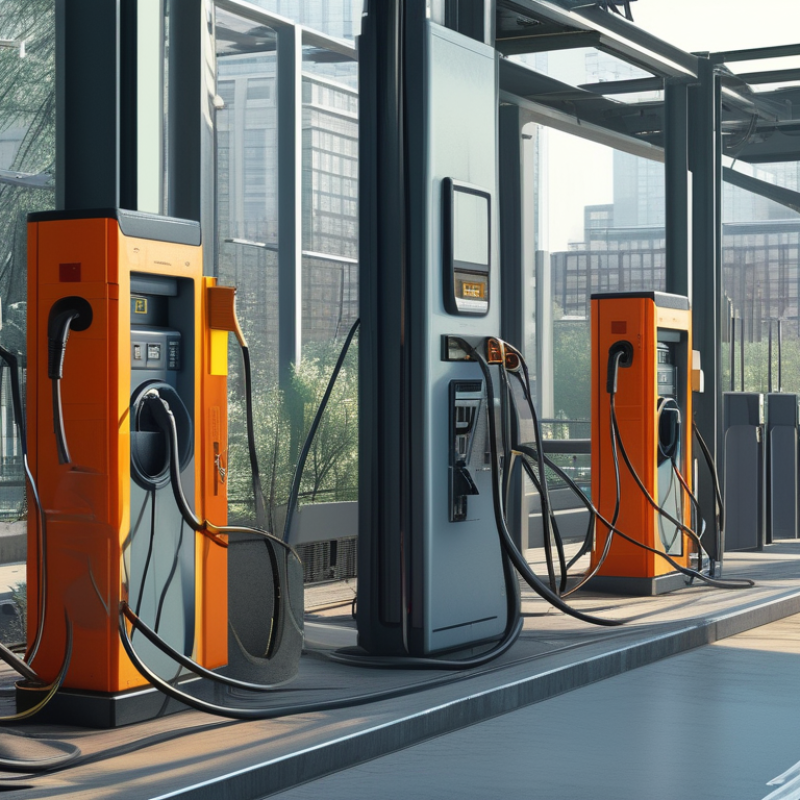
Why is DC Charging More Costly Than AC Charging?

Cost Comparison: DC Charging vs. AC Charging in Electric Vehicles

DC charging tends to be more costly than AC charging due to several factors. One major reason is the infrastructure investment. DC chargers require more advanced technology. They convert AC power to DC power on-site. This complexity adds to the overall cost. According to the International Energy Agency, DC fast chargers can cost between $10,000 and $40,000, depending on the specifications and installation requirements.

Charging speed plays a crucial role in cost differences. DC chargers can deliver higher power outputs, allowing for faster charging times. A typical DC charger offers charging speeds of 50 kW to 350 kW. In contrast, most AC chargers deliver only 7 kW to 22 kW. While faster charging is convenient, it raises costs. This speed premium can lead customers to prefer AC chargers for home use. Industry reports indicate that around 80% of EV owners use home charging, emphasizing the need for cost-effective solutions.

Another consideration is maintenance and operational expenses. DC charging stations require more frequent upkeep. They face harsher operating conditions, leading to higher wear and tear. According to a study by the Smart Electric Power Alliance, operational costs for DC stations can be 30% higher than for AC counterparts. This gap can influence key decisions for operators and users alike. Balancing speed, cost, and infrastructure is essential in the growing EV market.

Infrastructure Costs: DC Charging Station Setup and Maintenance

DC charging is often seen as a more costly option compared to AC charging. A significant factor contributing to this difference is the infrastructure required for DC charging stations. These stations need more advanced technology to convert AC power to DC right on-site. This conversion process requires expensive equipment, which drives up initial setup costs.

Moreover, maintaining DC charging stations can be pricier. The specialized components and systems require skilled technicians for repairs. While many technological advances improve efficiency, issues may still arise. For example, a malfunctioning inverter or cooling system can lead to extended downtime.

This complexity makes it crucial for operators to carefully consider their choices. Investing in DC infrastructure is a long-term commitment. Choices made now could impact both the service and cost for years. Balancing the need for speed and efficiency in charging with maintenance and setup expenses is an ongoing challenge. Understanding these factors can help businesses make informed decisions about their charging networks.

Why is DC Charging More Costly Than AC Charging? - Infrastructure Costs: DC Charging Station Setup and Maintenance

Cost Component DC Charging ($) AC Charging ($)
Initial Setup Cost 30,000 10,000
Maintenance Cost (Annual) 3,000 1,000
Installation Time (Hours) 30 10
Power Output (kW) 150 22
Average Charging Duration (Minutes) 30 120

Energy Efficiency: Power Conversion Losses in DC vs. AC Charging

DC charging tends to be more costly than AC charging primarily due to energy efficiency losses during power conversion. With AC charging, power is converted from grid voltage to the battery's required voltage through a rectifier, which typically incurs lower losses. According to a recent study by the International Energy Agency, AC charging systems can maintain an efficiency of around 85-90%. This efficiency helps reduce operational costs for charging station owners.

On the other hand, DC charging involves a more complex process. The direct current must be carefully managed, leading to higher conversion losses. Reports indicate that DC chargers can experience efficiency rates of only 80-85%. This drop in efficiency may occur due to heat generated in power electronic components, which can also shorten their lifespan. While DC charging delivers power faster, the immediate costs might include not only higher installation prices but also ongoing energy wastage that could accumulate into significant expenses.

As electric vehicle adoption increases, understanding these efficiency disparities is crucial. Charging infrastructure investments need to consider these factors. Stakeholders must analyze the long-term financial impact versus the immediate convenience of faster charging. The balance between cost efficiency and charging speed remains a challenging dialogue in the evolving EV landscape.

Charging Speed Impact: How Time Affects Cost of DC and AC Charging

DC charging often costs more than AC charging due to the equipment used and the speed of charging. DC chargers can deliver higher power levels, enabling faster charging times for electric vehicles. This speed saves time, which many drivers value. However, the price for this convenience can be notable.

The charging speed profoundly impacts cost. With DC charging, the vehicle draws more energy in less time. This means the infrastructure is more complex and requires greater investment. Installation is often pricier, reflecting in the charging fees. In contrast, AC charging is slower and more accessible. It usually involves simpler setups, leading to lower costs.

Time is not just about speed; it also affects availability. Fast-charging stations may be busier, leading to potential waits. Drivers must consider factors like usage patterns and charging rates. The interplay between time, cost, and convenience can become complicated. Reflecting on these considerations helps users make informed decisions about charging options.

Market Trends: Adoption Rates and Pricing Models for DC and AC Charging

As electric vehicle (EV) charging technologies evolve, understanding market trends is crucial. The adoption rates for both DC and AC charging are on the rise. More EVs with fast-charging capabilities are hitting the roads. DC charging stations are becoming more common, especially along highways and urban areas. Meanwhile, AC charging continues to dominate home charging solutions.

Pricing models for DC and AC charging reveal key differences. DC charging equipment costs significantly more. This is due to the complex technology needed for high-speed charging. Installation and maintenance expenses also add to the overall cost. In contrast, AC chargers are simpler and less expensive to install. However, the operating costs for DC chargers can be higher due to energy consumption rates. This disparity influences consumer choices and creates a diverse market landscape.

Moreover, user experience plays a vital role in adoption rates. Faster charging times with DC chargers attract users who prioritize convenience. Yet, the higher costs might deter some consumers. People often weigh their options based on driving habits and budget. Understanding these dynamics will help shape the future of EV charging infrastructure. Factors like local incentives and cost of electricity also need consideration. Balancing affordability with technology advancements remains a challenge.

FAQS

: Why are DC charging stations more expensive to set up than

C stations?

What affects the maintenance costs of DC charging stations?

Specialized components need skilled technicians for repairs. Malfunctions can lead to extended downtime.

How does the complexity of DC charging impact operators?

Operators must carefully consider choices. Investment in DC infrastructure is a long-term commitment with ongoing challenges.

Are adoption rates for DC charging increasing?

Yes, adoption rates for both DC and AC charging are on the rise, especially in urban areas.

What factors influence pricing models for DC and AC charging?

Equipment costs, installation, and maintenance for DC charging are significantly higher due to complex technology.

How does user experience affect the adoption of charging stations?

Faster charging times attract users to DC chargers, but higher costs may deter some consumers.

What role do local incentives play in charging station choices?

Local incentives can influence consumer decisions, affecting the balance between affordability and technology advancements.

How does energy consumption affect the cost of operating DC chargers?

Higher energy consumption rates lead to increased operating costs for DC chargers compared to AC chargers.

Why might some consumers hesitate to choose DC charging?

High costs and their driving habits can make consumers think twice before opting for DC charging solutions.

What should businesses consider when investing in charging infrastructure?

Businesses need to balance speed with maintenance expenses and understand market trends for informed decision-making.

Conclusion

The title "Why is DC Charging More Costly Than AC Charging?" encapsulates the multifaceted issues surrounding the pricing differences between DC and AC charging for electric vehicles. A key factor in this cost disparity lies in the infrastructure expenses associated with setting up and maintaining DC charging stations, which typically require more sophisticated technology than their AC counterparts. Additionally, the energy efficiency of DC charging is often compromised by power conversion losses, further adding to its overall cost.

Charging speed is another critical aspect; while DC charging can replenish battery power significantly faster, the associated costs can accumulate due to increased infrastructure and operational demands. Moreover, market trends indicate that adoption rates and pricing models for both DC and AC charging are evolving, influencing consumer choices and perceptions. Understanding these factors is essential in answering the question, "Why is DC charging more expensive than AC charging?" and provides insight into the future landscape of electric vehicle charging options.

Charlotte

Charlotte

Charlotte is a seasoned marketing professional with a deep understanding of the company's portfolio and a passion for elevating its presence in the market. With a keen eye for detail and a commitment to excellence, she ensures that our professional blog is regularly updated with insightful articles......