Why is my bi-directional charger not discharging to the grid? This question is becoming more important as electric vehicles gain a larger role in energy systems. The International Energy Agency’s Global EV Outlook 2024 reported more than 14 million electric cars sold worldwide in 2023. However, most vehicles and chargers still operate mainly in one direction. Bidirectional capability does not automatically mean grid export is enabled.
The problem may involve hardware, software, configuration, or the local electrical connection. Some chargers support vehicle-to-home backup but not vehicle-to-grid operation. Others require a compatible vehicle, an approved energy-management platform, and ISO 15118 communication. A low battery state-of-charge limit can also block export. So can a utility export limit, inactive contract, or a firmware mismatch. Small details matter. Check the CT clamp direction, phase assignment, and smart-meter readings. A reversed clamp can make the charger misread household demand.
The U.S. Department of Energy’s vehicle-grid integration research highlights communication, interoperability, and grid coordination as major deployment challenges. NREL research similarly emphasizes managed charging, protection controls, and accurate power measurement. These findings support a practical diagnosis rather than a single-cause assumption. First, confirm whether the charger is designed for grid export. Then review its operating mode, battery reserve, schedule, and error log. Measure power at the grid connection, not only inside the mobile application. That assumption may be wrong. A zero export reading could indicate a control setting, not a failed charger. Qualified technicians should verify protection settings and manufacturer requirements before changing electrical connections.
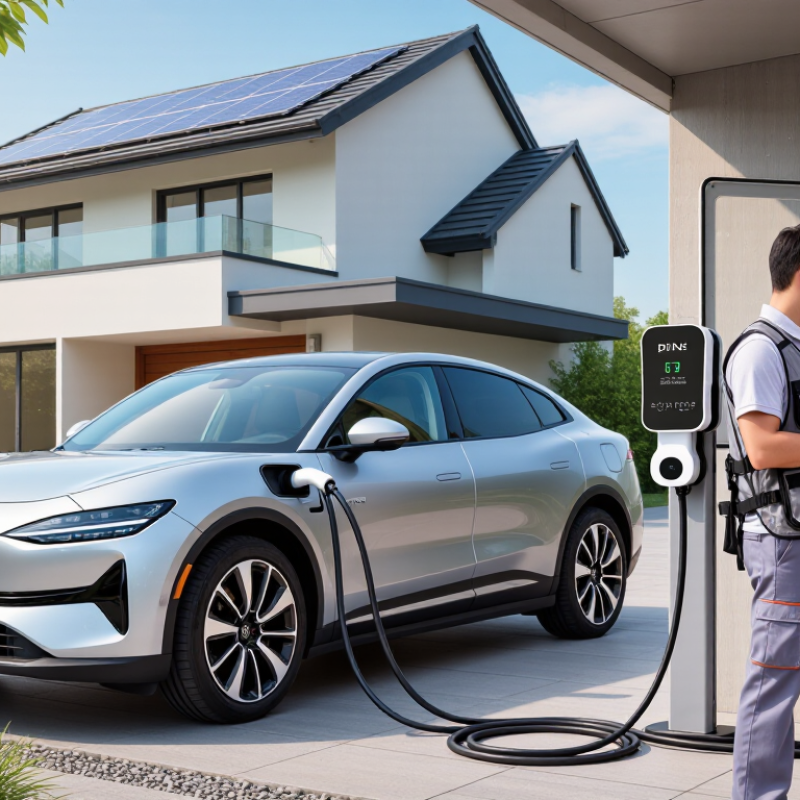
A bidirectional charger does not automatically export electricity to the grid. It needs three coordinated systems: the vehicle battery, the charger’s power electronics, and the utility connection. During charging, electricity flows into the vehicle. During export, the inverter reverses that flow and synchronizes voltage, frequency, and phase with the grid.
The International Energy Agency’s Global EV Outlook 2024 reported nearly 14 million electric-car sales worldwide in 2023. That growth increases interest in vehicle-to-grid services, but availability remains highly dependent on local rules and hardware. A charger may stop exporting when the battery reaches its minimum reserve, export permission is disabled, or the utility meter detects no approved operating mode. Many installations also require an interconnection agreement and certified anti-islanding protection. Safety comes first.
A practical check begins with the charger’s operating mode. “Vehicle-to-home” is not the same as “vehicle-to-grid.” Some systems support backup power but block permanent grid export. Check the minimum state-of-charge setting, export schedule, and communication status. Then inspect the energy meter and circuit breaker. A failed meter connection can make export appear impossible. NREL research on managed electric-vehicle charging shows that charging flexibility can support grid reliability, but control coordination remains essential. I initially assumed a full battery should export immediately. That assumption is incomplete. Tariffs, firmware limits, and utility approval can matter more than battery capacity.
The battery may have reached a reserve, temperature, or cell-voltage limit. A cold battery can block discharge. A hot battery may reduce output sharply. The vehicle, charger, or grid signal may be limiting operation.
Check the state of charge and minimum reserve setting. Some systems hold 20% or more for driving or backup use. Review temperature readings, warning messages, and recent charging interruptions. The first assumption can fail.
Yes. The vehicle and charger need compatible bidirectional communication. A required protocol may include ISO 15118-20. Incomplete compatibility can prevent export, even with correct wiring. That detail is easy to miss.
Check export mode, maximum discharge power, and schedule windows. Review backup mode and utility approval status. A backup reserve may block export below a configured level. Small settings matter.
Anti-islanding protection should stop energy export during an outage. Never bypass this protection. Confirm the grid status before testing discharge. Safety overrides convenience.
Confirm the sensor is firmly connected and positioned correctly. A reversed sensor may detect import instead of export. Compare charger readings with a separate distribution-board meter. Both readings should move in the same direction.
Use a warm battery with adequate charge. Set a small export limit. Record voltage, power, battery level, temperature, and error codes. Observe the system for several minutes. The test is not perfect.
Stop testing when the fault returns. Do not open covers or touch live terminals without proper training. Reset the system only once after identifying the likely cause. Contact a qualified electrician or service engineer if the trip continues. Record every change and its time.
Why is my bi-directional charger not discharging to the grid? This issue usually results from a mismatch between the charger’s operating mode, the vehicle’s energy settings, or the battery’s current condition. Grid export must be enabled, the target power level must be configured correctly, and features such as backup reserve, minimum state of charge, scheduled charging, or self-consumption priority must not be preventing discharge. It is also important to confirm that the vehicle, battery, and charger support power export within their defined voltage, current, temperature, and state-of-charge limits.
If the settings appear correct, check whether the grid connection configuration permits export and whether required approvals, monitoring signals, or utility controls are active. Review system alerts, communication status, protection settings, and recent changes before restarting equipment. Safe troubleshooting should follow the system manual and avoid opening energized equipment. Restoring grid discharge may require correcting a configuration, allowing the battery to reach a suitable operating range, resolving a communication fault, or contacting a qualified technician when hardware or grid authorization issues are suspected.

 Rama Charger