The global transition toward net-zero carbon emissions, aggressive ESG (Environmental, Social, and Governance) targets, and unprecedented volatility in wholesale electricity markets have repositioned the Energy Management System (EMS) from a operational utility into a strategic corporate asset. Modern Energy Management Systems integrate high-frequency telemetry, edge computing, smart power conversion, and predictive AI analytics to continuously monitor, analyze, and optimize electrical power consumption across industrial parks, commercial real estate, data centers, and EV charging infrastructure hubs.
Today’s energy managers face complex operational challenges: balancing heavy localized loads from rapid electric vehicle (EV) deployment, integrating intermittent renewable energy resources (such as rooftop solar PV and Battery Energy Storage Systems / BESS), avoiding costly utility peak-demand surcharges, and complying with strict local grid interconnect requirements. A robust wholesale EMS framework acts as the centralized brain of modern power distribution, bridging local hardware devices—such as DC-to-AC inverters, intelligent smart controllers, power distribution units (PDUs), and OCPP gateways—with cloud telemetry networks.
Dongguan Rama Charger Technology Co., Ltd. is a technology-driven enterprise integrating R&D, design, manufacturing, sales, and service into a seamless operation. We specialize in providing comprehensive system energy solutions for electric vehicle charging and related applications.
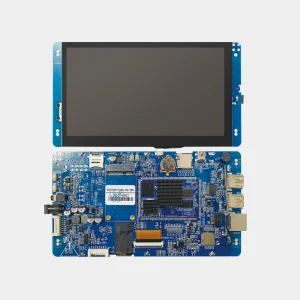
With strong independent R&D capabilities in charging controllers, Rama Charger can provide customized core master control boards for charging pile manufacturers. Over the years, we have established collaborations with numerous leading charging pile enterprises domestically and internationally, delivering outstanding ODM results and tailored solutions.
Our headquarters has obtained multiple authoritative certifications, including DEKRA CB, CE, ISO9001, as well as recognition as a high-tech enterprise and technology SME. We maintain a robust quality management system and AAA credit rating, and have secured 15 software copyrights, multiple invention patents, utility model patents, and design patents, reflecting our commitment to innovation and excellence.
Choosing a dedicated China wholesale Energy Management System manufacturer like Dongguan Rama Charger Technology gives global business partners, system integrators, and OEM distributors a crucial competitive edge in today's fast-moving market. China's Pearl River Delta (Dongguan/Shenzhen ecosystem) provides an unparalleled hardware and software manufacturing infrastructure.
From tier-1 power semiconductor components (IGBTs, SiC MOSFETs) to custom PCB surface-mount technology (SMT), aluminum enclosure extrusion, and embedded MCU software development, our integrated supply ecosystem eliminates supply bottlenecks and dramatically reduces prototyping lead times from months to weeks.
With proprietary R&D on master control boards, we deliver rapid hardware and firmware customization tailored to local regional requirements (such as grid connection protocols, OCPP 1.6J/2.0.1 compliance, dynamic load balancing algorithms, and bespoke enclosure aesthetics).
Automated optical inspection (AOI), high-voltage burn-in testing chambers, full-load hardware-in-the-loop (HIL) testing, and ISO9001 certified workflows allow us to achieve industrial-grade reliability while providing wholesale pricing advantages for worldwide export volume orders.
Our energy management hardware and control systems are built to thrive across diverse operational environments, providing customized utility savings, grid protection, and system monitoring:
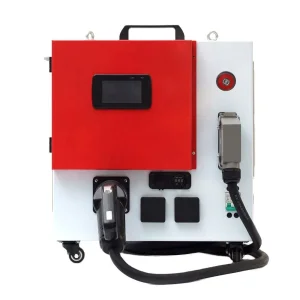
In high-density commercial EV depots, total energy demand frequently exceeds grid transformer limits. Our system utilizes intelligent Dynamic Load Balancing (DLB) algorithms to adjust charging pile output power in real-time, preventing grid overload while ensuring maximum vehicle uptime for logistics fleets.
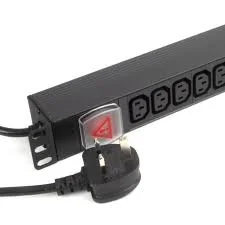
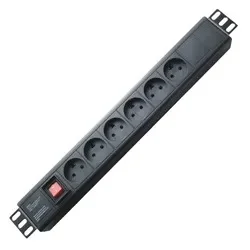
Integrating high-reliability IEC Type Power Distribution Units (PDUs) within 19-inch network cabinets guarantees real-time circuit power metering, phase balancing, environmental conditions monitoring, and remote power cycling for continuous IT operation uptime.
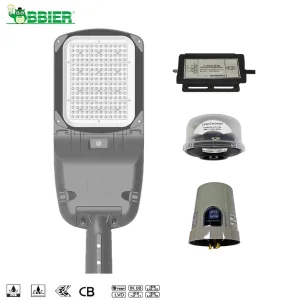
By connecting centralized lighting controllers with reliable wireless protocols (such as Zigbee gateways), municipal smart grids can execute automated dimming schedules, fault detection, and energy usage logging, driving citywide energy expenses down significantly.
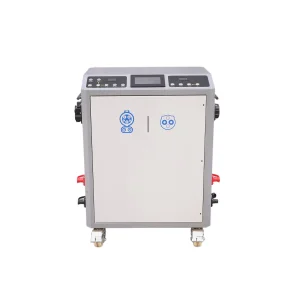
Through our smart DC to AC Inverters supporting V2V (Vehicle-to-Vehicle) and V2H (Vehicle-to-Home) protocols, electric vehicles transform into mobile energy storage assets, powering homes or off-grid sites during emergency peak load demand.
We provide enterprise buyers and OEM brands with complete end-to-end support throughout the product lifecycle:
Dongguan Rama Charger Technology Co., Ltd. is committed to powering the future of smart energy and electric mobility through innovative, reliable, and customer-oriented solutions.
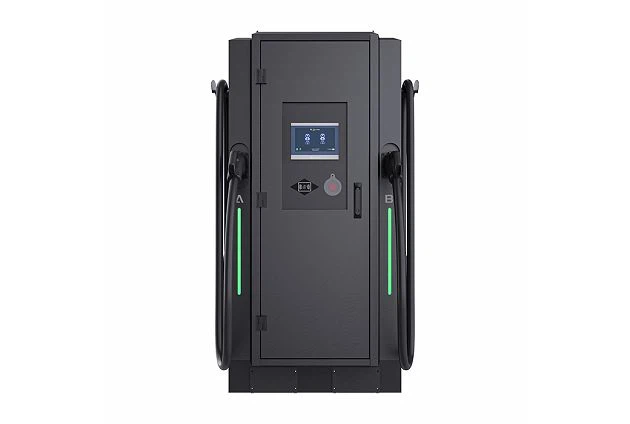
As modern grids adapt to renewable integration, manufacturing leaders and global exporters are driving breakthroughs in the following core technological arenas:
Advanced algorithmic software automatically shifts battery charging to off-peak hours when power tariffs are lowest, discharging energy into high-consumption loads during peak periods to dramatically reduce utility bill demand charges.
Seamless interoperability across EV chargers, inverters, and cloud management backends requires strict protocol support. Modern hardware boards come pre-equipped with ISO 15118 (Plug & Charge) capability and OCPP 2.0.1 integration.
By capturing voltage wave data, terminal temperatures, and power factor fluctuations at sub-second speeds, edge smart controllers anticipate component wear before failure happens, eliminating industrial downtime.
When procuring high-performance Energy Management Systems and control board sub-assemblies for international distribution, global enterprise buyers must thoroughly evaluate supplier capability across four critical vectors:
Verify whether the manufacturer relies on third-party design houses or possesses direct in-house firmware/hardware engineering teams. In-house R&D guarantees quick bug fixes, fast firmware patch deployment, and flexible custom communication protocol adaptation.
Ensure the manufacturer maintains certified compliance matrices for target sales regions, including DEKRA CB, CE, UL, RoHS, FCC, and local grid connection safety requirements.
Examine plant SMT line automation, daily board assembly output, monthly unit volume capacity, and multi-tier quality assurance check-points (from raw material incoming inspection to final burn-in chamber testing).
Confirm that your OEM partner guarantees minimum supply lifespans (typically 5–10 years) for core control chips, replacement power modules, display touchscreens, and emergency component dispatches.
 Rama Charger