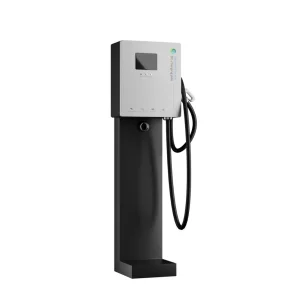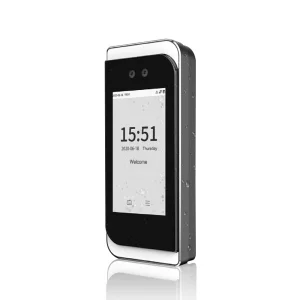
Dongguan Rama Charger Technology Co., Ltd. is a technology-driven enterprise integrating R&D, design, manufacturing, sales, and service into a seamless operation. We specialize in providing comprehensive system energy solutions for electric vehicle charging and related applications. By prioritizing interoperable standards such as the Open Charge Point Interface (OCPI), we remove barriers between disparate proprietary networks, fostering standard connections across borders.
With strong independent R&D capabilities in charging controllers, Rama Charger can provide customized core master control boards for charging pile manufacturers. Over the years, we have established collaborations with numerous leading charging pile enterprises domestically and internationally, delivering outstanding ODM results and tailored solutions. Our architectural components enable fast-charging stations to communicate operational metrics, spot status diagnostics, dynamic pricing data, and transaction logs in real time.
Our headquarters has obtained multiple authoritative certifications, including DEKRA CB, CE, ISO9001, as well as recognition as a high-tech enterprise and technology SME. We maintain a robust quality management system and AAA credit rating, and have secured 15 software copyrights, multiple invention patents, utility model patents, and design patents, reflecting our commitment to innovation and excellence in the global e-mobility sector.
The global shift toward electrification demands dynamic infrastructure capable of seamless communication. The Open Charge Point Interface (OCPI) protocol serves as the standard bridge between Charge Point Operators (CPOs) and e-Mobility Service Providers (eMSPs). By implementing OCPI, manufacturers allow electric vehicle drivers to access multiple charging networks using a single application, contract, or payment system. This standard has evolved from a progressive utility to a foundational necessity for government-subsidized infrastructure installations in Europe, North America, and parts of Asia.
Without OCPI implementation, the charging landscape remains fragmented. EV fleet operators face the complexity of managing dozens of individual subscription portals, while public stations suffer from lower utilization rates due to billing friction. Our CE-certified OCPI-ready charging controllers and master boards streamline this communication stack, enabling features such as peer-to-peer connection mapping, live tariff distribution, remote authorization commands, and granular metering data transmissions. By structuring hardware outputs around open API protocols, Rama Charger ensures that smart cities can dynamically coordinate grid loads and integrate electric transport into regional microgrids.
Furthermore, as municipalities enact carbon-reduction frameworks, compliance with standardized protocols is increasingly mandatory. European directives require accessible, open payment architectures and transparent roaming pricing. Rama Charger is positioned at the intersection of regulatory adherence and industrial reliability, delivering CE-certified hardware that integrates OCPI, OCPP, and smart diagnostic networks right out of the box.
Establishing secure socket connections, token handshakes, and simple reservation logic. Rama Charger controllers leverage this baseline to push billing information and status parameters directly to localized cloud nodes, ensuring uptime and fault notification delivery.
Transitioning to dynamic billing networks where tariff plans adjust according to grid demand. Our control boards support smart charging profiles that step down power output during peak periods, communicating availability metrics through the backend to prevent grid overload.
Enabling fleets to act as distributed energy storage resources. By utilizing our bi-directional controllers and simulation architectures, operators can charge during low-cost wind/solar windows and discharge back to the facility grid when demand peaks, managing all authorizations via automated OCPI profiles.
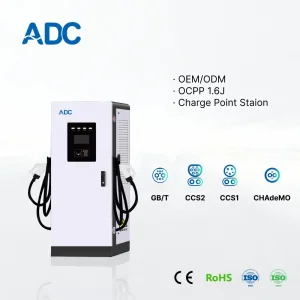
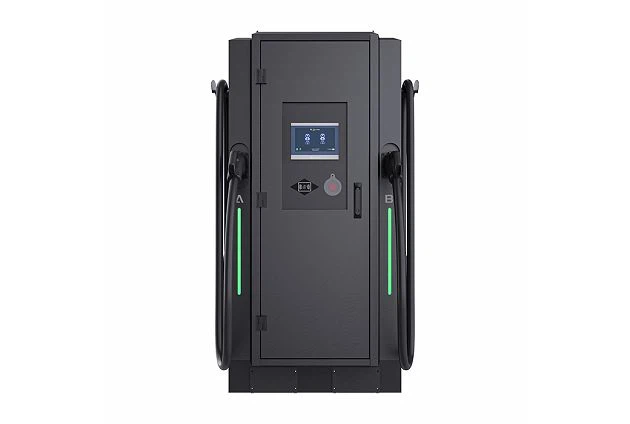
Provide open-access charging points for customers. Our OCPI-enabled high-power DC chargers allow major retail centers to invite external roaming networks, automatically processing credit, subscription, or mobile payments with clear, dynamic price notifications.
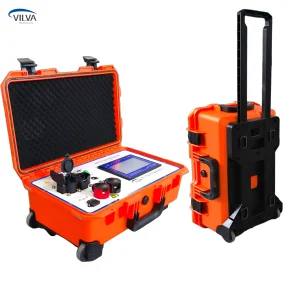
Fleet managers require highly predictable schedules. Through OCPI integration, private depots coordinate power needs, track precise energy usage per truck, and deploy simulation systems to verify charging station integrity prior to vehicle deployment.
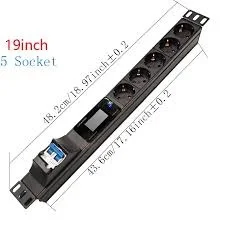
Mitigate residential grid congestion. Localized energy management units integrate with solar panels and power distribution units, ensuring EV charging speeds throttle automatically without tripping secondary circuit breakers.
Quality management system certification ensuring process control and material traceability from board design to final casing assembly.
Complies with EN 61851-1, EN 61851-23 safety standards and EN 61000 EMC regulations, guaranteeing reliable operation across Europe.
Holds 15 software copyrights and multiple utility patents covering core controllers, communication handshakes, and grid isolation balancing logic.
Highly customizable master control boards, customizable firmware libraries, and intelligent charging protocols built to fit custom application structures.
Successful partnerships with leading domestic and international charging enterprises, deploying thousands of charger piles globally.
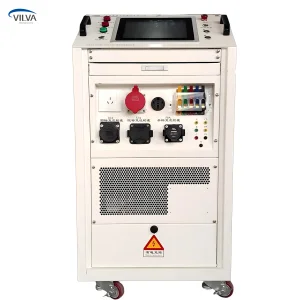
Rigorous test protocols utilizing internal high-power simulators, ensuring long-term resilience against heat, humidity, and electrical noise.
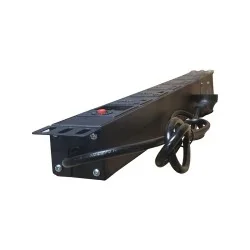
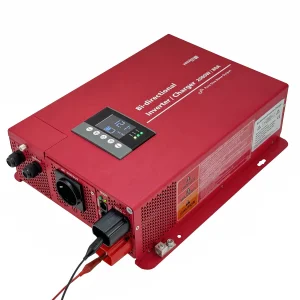
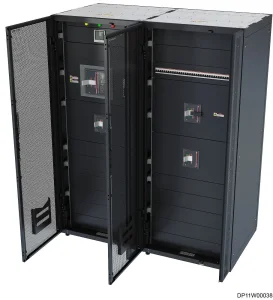
Our commitment to charging technology goes beyond raw electrical conversion. As the international EV landscape transitions toward complex digital utility platforms, our equipment ensures operators are equipped for the future. From server operations smart PDUs to bi-directional RV camping systems and portable simulators, we support the full life cycle of clean energy infrastructure development.
Rama Charger continuously monitors emerging parameters from the Open Charge Alliance and related standards committees, guaranteeing that our hardware adaptations maintain compatibility with future iterations of OCPI and OCPP protocols.
 Rama Charger