As the global community accelerates towards absolute net-zero emission targets, standard cable-based plug-in charging systems prove insufficient for heavy-duty commercial applications. Heavy electric vehicles, such as municipal transit buses, regional logistics haulers, mining trucks, and port automated guided vehicles (AGVs), demand vast power delivery options. In this context, the Pantograph Charging System (commonly referred to as an Automated Connection Device or ACD) has emerged as the definitive high-power infrastructure solution. By automating physical power integration, pantograph systems can deliver massive power outputs ranging from 150 kW up to 600 kW and beyond, utilizing megawatt-charging standard (MCS) topologies.
Historically, transit agencies struggled with vehicle range constraints and large battery payloads that restricted passenger capacity. Pantograph opportunity charging solves this design compromise. Located strategically along transit routes, layovers, or distribution terminals, opportunity chargers top up vehicle energy capacity in short 3-to-6-minute intervals without manual operator intervention. This ensures continuous, 24/7 route operation, dramatically reducing onboard battery weight and maximizing cargo or passenger payloads.
The pantograph is mounted directly on the charging gantry infrastructure. When a vehicle aligns under the dome, the mechanism lowers to establish contact with contact bars integrated on the bus roof. Ideal for fleet depots where minimizing vehicle roof weight and height clearance is critical.
The pantograph device is permanently fixed onto the roof of the electric vehicle. When charging is required, the pantograph extends upwards to connect with a contact dome suspended from the gantry. This setup provides greater route flexibility and lower overall structural gantry costs.
Modern pantograph charging operates within international interoperability frameworks. These include ISO 15118 for secure encrypted communication, IEC 61851-23-1 for DC charging safety limits, and OppCharge parameters for standardization across multiple automotive OEMs.
Technical Insight: OppCharge standardizes the mechanical interface, automatic positioning sequence, wireless Wi-Fi handshake (using IEEE 802.11a/n/ac), and safety interlocking logic, ensuring that municipal bus fleets purchased from different OEMs can seamlessly share the same charging stations.
The global push for electrification has placed a spotlight on manufacturing capability. China remains the undisputed global epicenter of power electronics manufacturing, and Dongguan's advanced industrial cluster excels in this domain. Utilizing highly integrated component supply ecosystems, Chinese pantograph manufacturers offer wholesale procurement options that drastically reduce capital expenditure (CapEx) for global municipal agencies and system integrators.
Furthermore, the competitive advantages of Chinese manufacturers extend beyond mere labor cost optimization. They encompass deep structural benefits:
Dongguan Rama Charger Technology Co., Ltd. is a technology-driven enterprise integrating R&D, design, manufacturing, sales, and service into a seamless operation. We specialize in providing comprehensive system energy solutions for electric vehicle charging and related industrial applications. With strong independent R&D capabilities in charging controllers, Rama Charger can provide customized core master control boards for charging pile manufacturers and heavy-duty pantograph systems.
Over the years, we have established strategic collaborations with numerous leading charging pile enterprises domestically and internationally, delivering outstanding ODM results and tailored solutions. Our corporate headquarters has obtained multiple authoritative certifications, including DEKRA CB, CE, ISO9001, as well as recognition as a high-tech enterprise and technology SME. We maintain a robust quality management system and AAA credit rating, and have secured 15 software copyrights, multiple invention patents, utility model patents, and design patents, reflecting our commitment to innovation and excellence.
Depending on geographical and industrial constraints, pantograph charging systems are deployed in distinct operational scenarios, each requiring specific design compliance:
By positioning inverted pantographs at terminal stations and layover loops, transit systems can continuously run electric buses. Opportunity charging during driver break periods eliminates the need for massive overnight plug-in depots, saving physical land footprint and reducing thermal stress on batteries.
Mining operations require high continuous torque and heavy payloads. Liquid-cooled pantographs delivering megawatt-level power can recharge heavy haul trucks in minutes directly on the mining haul roads, increasing overall operational efficiency and preventing diesel fume contamination in deep pits.
Modern container ports employ Automated Guided Vehicles (AGVs). By integrating an automated bottom-up pantograph system, these vehicles can automatically connect to chargers during crane container loading procedures, allowing for continuous driverless operations.
Purchasing pantograph charging equipment at scale involves complex variables. Procurement managers must systematically verify vendor parameters to ensure long-term ROI and compliance with local municipal codes:
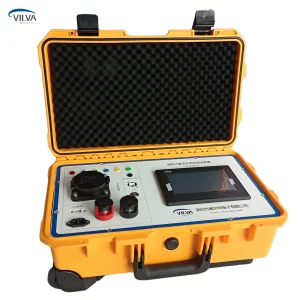
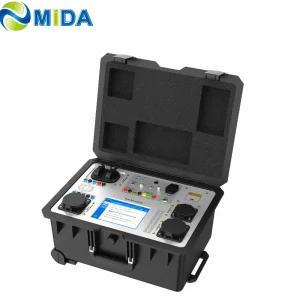
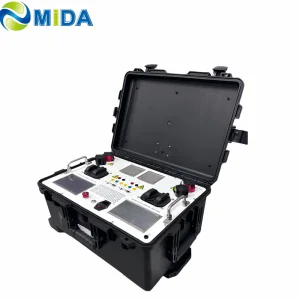
Must support multi-vendor compliance. It is critical to select manufacturers who utilize simulated EV environments and testers (e.g., GB/T and CCS Simulator devices) to guarantee compatibility with vehicle brands such as BYD, Yutong, Volvo, and MAN.
High-current DC charging generates immense localized heat. The contact dome and pantograph arms must utilize high-durability contact strips (e.g., carbon brushes) and robust heat dissipation designs to prevent mechanical deformation and resistance increases over time.
Ensure the manufacturer provides independent certification. Standard requirements include IEC 61851-23, CE mark compliance, local grid integration standard support, and structural wind-load certifications for outdoor gantries.
What is the standard lead time for wholesale pantograph system orders from China?
For standard configurations, the production and QA cycle is 8 to 12 weeks. Fully customized projects requiring specific structural engineering for gantries or unique voltage range calibrations may take 12 to 16 weeks, including extensive pre-shipment testing using our hardware simulators.
How do you guarantee interoperability between your systems and European or American electric buses?
We comply strictly with ISO 15118 and DIN 70121 standards for PLC communication. Our QA lab tests each system with our CCS1, CCS2, and GB/T simulation hardware to ensure flawless communication handshakes, safety limits, and physical alignment tolerances.
What maintenance is required for automated connection systems?
Periodic inspections (typically every 6 months) focus on checking wear on the contact strips, verifying physical alignment, calibrating the optical or laser alignment sensors, and checking electrical insulation resistance. Software parameters are updated remotely over-the-air (OTA).
Can these systems operate in extreme cold or rainy conditions?
Yes. Outdoor structures feature IP55/IP65 ratings, integrated heating elements to prevent ice accumulation on contact surfaces, and lightning protection units, ensuring stable operation from -30°C to +55°C.
 Rama Charger