Premium power transmission, connector adapters, and intelligent rack components engineered for dynamic loads.
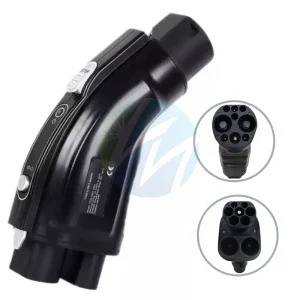
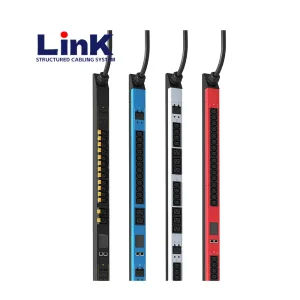
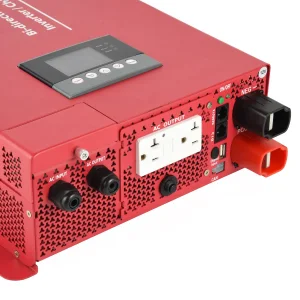
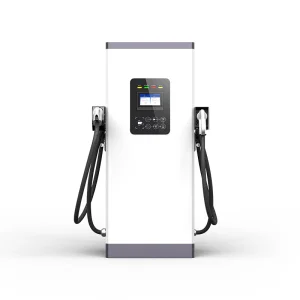
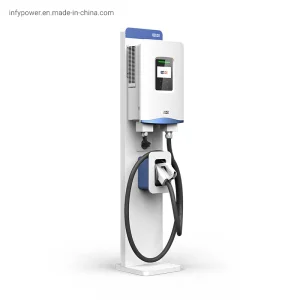
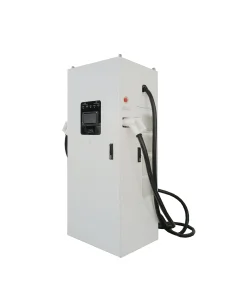
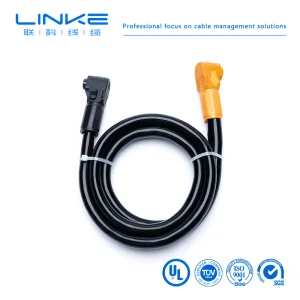
Modern industrial, commercial, and mobility platforms require absolute optimization of energy flow. A Power Sharing Unit (PSU) represents the core routing topology that shifts static grid limits into dynamic, adaptive power distribution networks.
Traditionally, power architectures operated on fixed parameters, creating massive system bottlenecks. The modern dynamic Power Sharing Unit relies on real-time matrix relay switching, edge algorithms, and localized sensor feedback to dynamically distribute currents. Dongguan Rama Charger Technology Co., Ltd. delivers this critical master control layer, providing fully customizable hardware and firmware solutions that enable electric vehicles, microgrids, and heavy industrial devices to communicate seamlessly with incoming power feeds.
By treating grid capacity as a flexible resource pool, our PSUs mitigate high-peak electrical charges, eliminate local transformer overloads, and maximize hardware uptime without costly infrastructural reconstruction.
💡 What is Information Gain in Energy Systems?
Implementing intelligent Power Sharing Units reduces infrastructure capital expenditures (CapEx) by up to 40% and mitigates high-demand penalty charges by dynamic throttling across active nodes. Our units feature <10ms response times for safety shutoffs, protecting sensitive downstream processors and heavy induction coils alike.The rapid deployment of fast chargers, smart cities, and automated logistics centers has strained existing electrical distribution systems. In North America, Europe, and Asia-Pacific, utilities struggle to match the localized demands of simultaneous mega-watt charging. In this environment, dynamic Power Sharing Units serve as the primary defensive mechanism against regional drop-outs and transformer damage.
Integrating dynamic line rating standards. Support for local demand-response events via OpenADR protocol to help commercial fleets offset high utility costs.
Compliance with European grid codes and phase unbalance regulations. Incorporating advanced OCPP 1.6J/2.0.1 smart charging profiles seamlessly.
Designed for high-demand industrial arc furnaces and manufacturing complexes, limiting excessive active power spikes during operations.
How dynamic power sharing solves real-world capacity limitations across multiple sectors:
With dozens of electric delivery vehicles returning to depots simultaneously, static chargers will overload the localized substation. Our Power Sharing Units intelligently prioritize power distribution based on departure schedules, battery state of charge (SoC), and real-time grid constraints, ensuring every vehicle is operational before peak hours.
Integrating dynamic load balancing into multi-family residential complexes or corporate complexes allows buildings to share excess energy between household consumption, HVAC systems, and EV chargers, preventing costly building circuit upgrades.
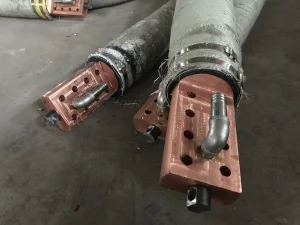
Heavy industrial facilities utilizing water-cooled cables and induction furnaces require immense, stable currents. Integrating targeted PSUs stabilizes incoming phase currents, optimizes line-voltage variations, and safely manages high-current transitions to protect critical electronics.
📈 Technology Focus: Bidirectional V2G & SiC Topology
Our strategic roadmap transitions from conventional silicon-based switching to Silicon Carbide (SiC) semiconductors. This shift decreases conversion losses, reduces cooling requirements, and increases spatial power density by over 30%.The next decade of energy routing focuses on absolute bidirectional integration. Vehicle-to-Grid (V2G) and Vehicle-to-Home (V2H) technologies turn electric vehicles into mobile battery storage devices. Our current controller development incorporates ISO 15118-20 features to allow high-frequency feedback loops between the vehicle battery packs and local microgrids.
Furthermore, we are integrating AI-driven prognostic maintenance layers directly into our master control boards. By monitoring slight changes in temperature curves and contact resistance at full-load cycles, the system predicts hardware failures before they result in costly downtime.
Located in Dongguan, the manufacturing heart of global electronics, our factory operates with unmatched horizontal and vertical supply chain integration. We secure cost-efficiency and premium component accessibility at every stage of the production cycle.
We design our master control boards in-house. This gives client projects customized firmware agility and immediate prototyping capability.
Certified by DEKRA CB, CE, and ISO9001. We maintain a reliable quality control system with traceability across every SMT run.
With 15 software copyrights and multiple utility patents, our designs feature advanced built-in intellectual property security.
Strategic export access to Shenzhen and Guangzhou ports ensures rapid transit via sea, air, and train routes worldwide.
Dongguan Rama Charger Technology Co., Ltd. provides comprehensive system energy solutions, supporting clients from architectural conception to long-term site optimization.
Our ISO9001-certified factory in Dongguan utilizes advanced SMT lines, automated test setups, and dedicated climate Chambers to stress-test high-voltage power components before assembly.
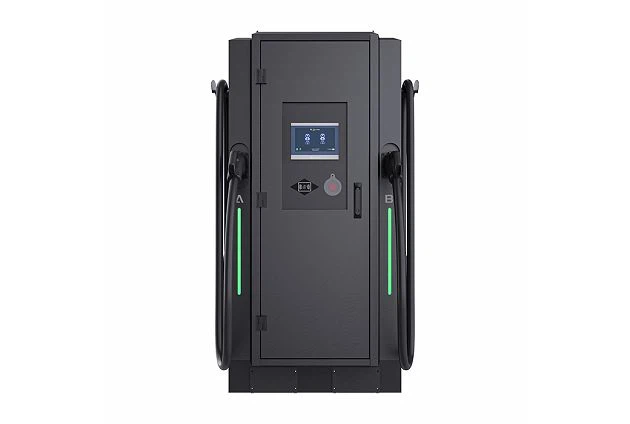
Deep dive into structural, electrical, and control operations for dynamic energy distribution.
Explore our extensive range of high-frequency inverters, V2G stations, liquid-cooled cables, and smart city controllers.
 Rama Charger