Dongguan Rama Charger Technology Co., Ltd. stands as a premier technology-driven pioneer integrating comprehensive R&D, precision design, automated manufacturing, global sales, and systemic technical services. As dedicated energy transition architects, we specialize in advanced system energy solutions specifically optimized for heavy-duty electric vehicle (EV) charging stations, residential microgrids, and smart load-prioritized power infrastructures.
Our deep independent engineering capabilities center on intelligent Priority Charging Controllers. By offering customizable master control boards, we empower EVSE (Electric Vehicle Supply Equipment) manufacturers to execute dynamically balanced multi-channel charging. Through continuous integration, we deliver custom core control hardware to leading global EV charging networks and industrial-grade utility systems.
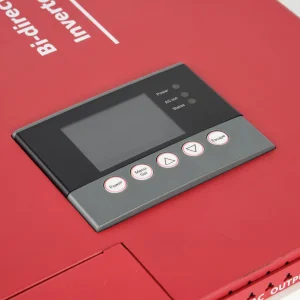
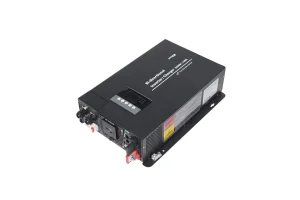
Our focus includes embedded controller firmware, OCPP 1.6J/2.0.1 implementation protocols, high-frequency bidirectional power converters (up to 4kW and beyond), and phase-allocation logic for high-capacity EV substations.
Our manufacturing and administrative headquarters maintain strict ISO9001:2015 standards, ensuring each device is fully tracked from SMT placement to final hardware-in-the-loop (HIL) testing simulation.
A Priority Charging Controller is the decision-making core in modern charging systems. It solves the critical engineering challenge of allocating limited electrical grid capacity among multiple demanding loads.
Our controllers analyze building load parameters in real-time. By utilizing Modbus TCP/IP registers and CT (Current Transformer) clamp feedback, the controller adjusts the PWM signal duty cycle (per IEC 61851-1) to safely scale down EV charging outputs when main household or factory grid demands spike.
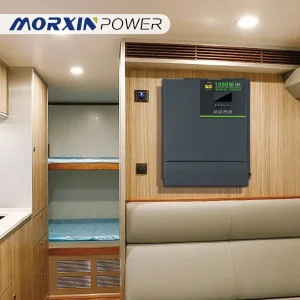
Integrating solar arrays, storage batteries, and public utilities requires intelligent phase switching. Utilizing dual CAN bus channels and isolated RS485 loops, our system guides bidirectional inverters (like our 4kW CAN RS485 systems) to direct energy flow based on real-time tariff structures.
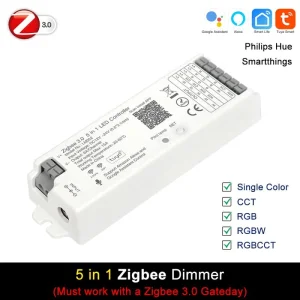
Featuring integrated 4G LTE-M modems, Wi-Fi, and Zigbee 3.0 transceivers, our controllers maintain reliable connections with central management platforms (CMS) via OCPP 1.6J or OCPP 2.0.1 APIs. This enables remote command execution, billing tracking, and over-the-air (OTA) firmware updates.
Rama Charger designs and manufactures scalable control hardware to support system integrators across various sectors.
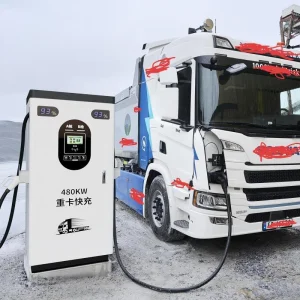
For commercial facilities with limited grid capacity, installing multiple 22kW AC or 120kW DC fast chargers can overwhelm local distribution lines. Our Priority Charging Controllers implement dynamic sequence queuing. When a building's overall consumption rises, our controller temporarily lowers the current allocated to lower-priority EV slots, ensuring uninterrupted operations without costly transformer upgrades.
Delivery hubs must guarantee that prime delivery vans are fully charged for morning routes. Our priority control algorithm schedules charging based on vehicle return times, battery state-of-charge (SoC), and departure parameters. Commercial operators can configure their network to prioritize high-capacity vans, while secondary vehicles charge during off-peak, low-tariff hours.
By combining PV arrays, off-grid battery systems, and electric chargers, our bidirectional inverter controllers form an integrated green microgrid. The system automatically switches between power sources: PV energy is used for direct vehicle charging during peak daylight hours, local battery storage offsets high peak tariffs, and grid backup is accessed during periods of low renewable generation.
For factory floors deploying autonomous guided vehicles (AGVs) and electric heavy machinery, our Modbus TCP controllers allow for automated dispatch and charging schedules. If heavy factory machinery causes transient power loads, the controller automatically regulates the charging station power draw, maintaining overall plant load stability.
Rama Charger remains committed to technology development. Below is our R&D timeline, outlining updates to our priority control platforms to support emerging grid technologies.
| Timeline Block | Hardware Architecture Updates | Software Protocols & APIs | Target Applications |
|---|---|---|---|
| 2025 - 2026 | ARM Cortex-M4 Core upgrade; ISO 15118-2 PLC communication chip integration; High-speed CAN-FD interface. | OCPP 2.0.1 Core Certification; basic Vehicle-to-Grid (V2G) bidirectional command sets; Plug & Charge implementation. | Commercial fleet depots, public DC fast charging plazas with NACS (Tesla) and CCS1/2 connectors. |
| 2027 - 2028 | Multi-core RISC-V edge processor implementation; 1000A liquid-cooled continuous sensor integration. | Dynamic local microgrid controls; smart building EMS API integration; wireless mesh network connectivity. | Heavy-duty mining vehicles, smart corporate parking infrastructure, high-power highway megawatt chargers. |
| 2029 - 2030 | AI-coprocessor edge chip integration; solid-state smart switches for direct phase-to-phase routing. | Predictive grid-load balancing algorithms based on historical usage; full machine-to-machine smart grid communication. | Autonomous robotic charging stations, zero-emission virtual power plants (VPPs). |
Our high-precision manufacturing facility in Dongguan, China, utilizes automated production technologies. By integrating high-speed SMT assembly lines, visual AOI (Automated Optical Inspection) systems, and multi-axis assembly robots, we maintain stable production quality for our controller systems.
Our strategic location in the Greater Bay Area provides access to a complete component supply ecosystem. We maintain direct partnerships with leading silicon chip foundries and copper cable raw material suppliers. This close network allows us to manage manufacturing costs effectively, secure reliable component access during global shortages, and offer competitive lead times.
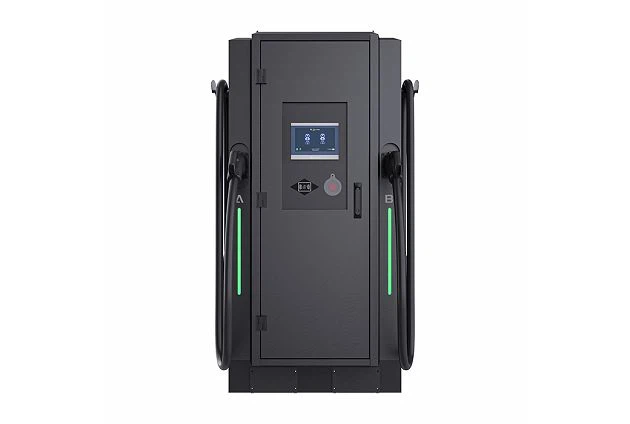
We specialize in simplifying the import process, ensuring local compliance, and offering direct engineering support for international buyers.
We manage international shipping terms including FOB, CIF, and DDP. Our logistics teams handle customs clearances, secure packaging, and supply tracking information for seamless door-to-door delivery.
We provide on-demand technical support, including 3D model files, detailed wiring schematics, and video troubleshooting guides. We also offer direct support for integrating your custom software with our control boards.
Our control products are designed to meet CE, DEKRA CB, KC, and UL standards, helping you simplify local certification for your finished charger units.
Rama Charger offers comprehensive technical and project support from product selection through after-sales maintenance.
Detailed answers to technical questions about our Priority Charging Controllers, customization capabilities, and integration protocols.
 Rama Charger