Explore our core bidirectional power conversion systems, vehicle-to-grid (V2G) solutions, and localized environmental smart control units.
A corporate profile of Dongguan Rama Charger Technology Co., Ltd. and our strategic positioning within the global grid stabilization ecosystem.
Dongguan Rama Charger Technology Co., Ltd. is a technology-driven enterprise integrating R&D, design, manufacturing, sales, and service into a seamless operation. We specialize in providing comprehensive system energy solutions for electric vehicle charging and related smart grid applications. As the global shift toward decarbonization accelerates, our role has evolved from a pure component manufacturer into a primary architect of grid-interactive hardware.
With strong independent R&D capabilities in charging controllers, Rama Charger can provide customized core master control boards for charging pile manufacturers. Over the years, we have established collaborations with numerous leading charging pile enterprises domestically and internationally, delivering outstanding ODM results and tailored solutions. Our R&D division focuses heavily on low-loss power topologies, dynamic thermal distribution architectures, and complex communications software configurations complying with regional protocols.
Our headquarters has obtained multiple authoritative certifications, including DEKRA CB, CE, ISO9001, as well as recognition as a high-tech enterprise and technology SME. We maintain a robust quality management system and AAA credit rating, and have secured 15 software copyrights, multiple invention patents, utility model patents, and design patents, reflecting our commitment to innovation and excellence. These credentials serve as a fundamental framework for global procurement managers seeking to minimize compliance risk and grid compatibility issues.
Analyzing the industrial integration of distributed energy resources (DERs) and vehicle-to-grid (V2G) systems in modern power networks.
The global energy infrastructure is undergoing a transition from centralized fossil-fuel power generation to decentralized, renewable-dominated networks. This transition places unprecedented stress on existing transmission and distribution grids. High-penetration solar photovoltaics and wind turbines introduce generation volatility, while the rapid adoption of electric transport increases load volatility. The resolution to this dual volatility lies within Smart Grid Technology—an integrated network of edge controllers, smart meters, and bidirectional energy conversion nodes.
In commercial and industrial (C&I) sectors, microgrid configurations are shifting toward hybrid systems. These installations connect rooftop solar, commercial battery energy storage containers, and fleets of fleet-charging terminals to form cohesive virtual power plants (VPPs). By managing reactive power, minimizing Total Harmonic Distortion (THDi), and responding in milliseconds to frequency anomalies, smart grid technologies protect industrial plants from costly power interruptions. Our technology stack serves as the physical interface between these distributed resources and the macro-utility grid.
Exploring how our systems address specific infrastructural demands across varied operational landscapes.
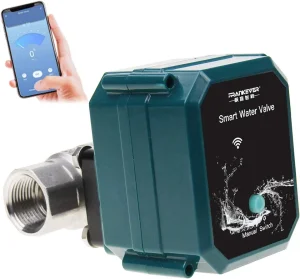
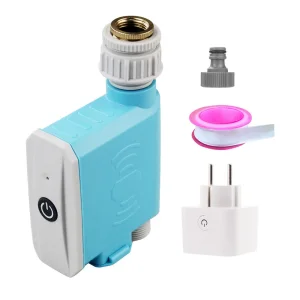
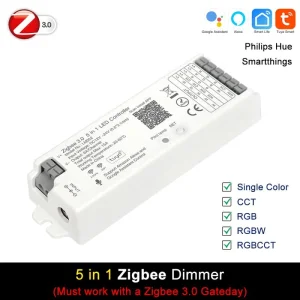
In dry-land agricultural developments, smart water resource management relies on high-resolution flow telemetry and low-power IoT actuators. Integrating Tuya smart WiFi water valves and automated smart drip irrigation controllers allows operators to synchronize water demand with real-time solar generation curves. This limits utility consumption during peak pricing bands, while protecting the physical integrity of local water distribution pipework.
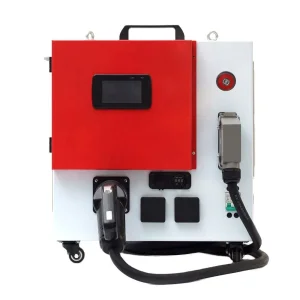
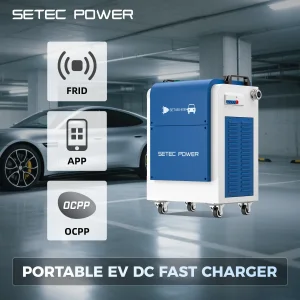
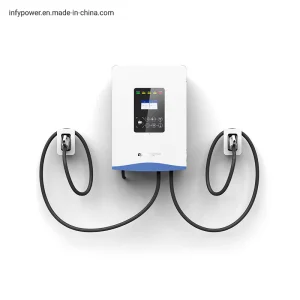
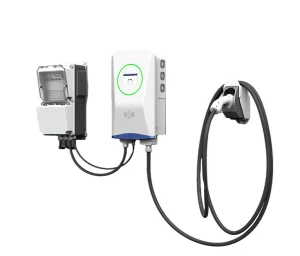
Commercial fleet operators utilize vehicle-to-grid bidirectional EV chargers to convert stationary vehicle assets into storage elements. By implementing 44kW and 7kW bidirectional chargers supporting CCS and CHAdeMO standards, operators can feed power back to factory buildings (V2H) or the external distribution grid during peak tariff pricing, creating a self-sustaining local loop.
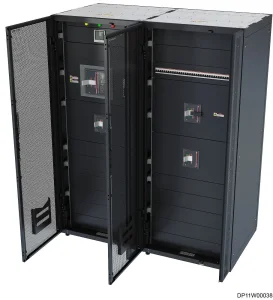
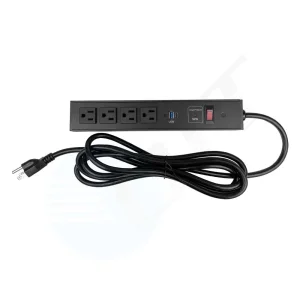
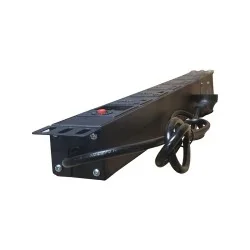
Mission-critical data centers deploy PDU8000 400A and dynamic rack-mounted power distribution units to maintain power continuity. These intelligent PDUs monitor downstream power quality, tracking variables such as current imbalances and transient voltage events. By integrating directly with site disaster recovery systems, they execute controlled load shedding during grid outages.
Exploring the industrial and logistical advantages that ensure reliable production timelines and cost-efficiencies.
Operating from the industrial manufacturing hub of Dongguan, China, Rama Charger utilizes an advanced ecosystem of electronic component suppliers, specialty fabricators, and testing laboratories. This localized manufacturing network shortens the lead times associated with complex hardware modifications. We handle component procurement, injection molding, SMT (Surface Mount Technology), and final chassis assembly under one unified quality management protocol.
Our factory utilizes automated SMT systems for the assembly of charging pile master control boards, minimizing human error and defect rates. Post-assembly processes include automated optical testing (AOI) and comprehensive functional testing under varying load conditions. In addition, our close proximity to the major shipping ports of Shenzhen and Guangzhou simplifies international shipping, ensuring reliable logistics tracking to client sites worldwide.
Our commitment to advancing system efficiency, next-generation V2X communication, and AI energy optimization.
Development of master control systems capable of dividing grid service lines dynamically among multi-plug dispensers. Real-time active thermal profiling protects the controller boards during high-amperage cycles.
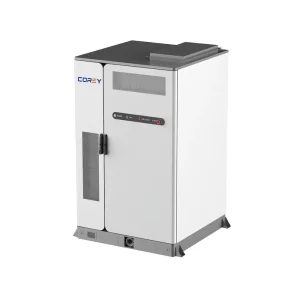
Upgrading our bidirectional inverters to achieve a total harmonic distortion (THDi) of less than 2% across our entire battery storage container line, ensuring clean injection into high-sensitivity utility grids.
Integrating machine learning algorithms directly into edge controllers to forecast battery wear, anticipate maintenance cycles, and execute autonomous market-based energy arbitrage.
How we ensure global compatibility, local grid compliance, and end-to-end technical support.
Connecting hardware to public energy grids requires strict adherence to localized electrical standards and safety regulations. Our engineering teams design all power platforms to meet the strict criteria of international testing houses. From CE, DEKRA CB, and UL certifications to regional specifications like KC and GCC, we provide the documentation and test data needed to secure utility approvals.
Furthermore, our software systems are designed to integrate seamlessly with regional management backends. We support OCPP 1.6J and are actively transitioning to OCPP 2.0.1 to ensure compatibility with global network systems. Whether it is adjusting grid parameters for North American split-phase setups or accommodating European three-phase configurations, our technical support teams provide the configuration files, installation diagrams, and remote commissioning assistance needed for a smooth deployment.
A step-by-step overview of our pre-sales engineering, order execution, and after-sales support structure.
Detailed technical responses to help integration engineers and utility purchasing managers make informed decisions.
A1: Vehicle-to-Grid (V2G) allows connected electric vehicles to inject stored battery energy back into the public grid, participating in utility peak-shaving programs. Vehicle-to-Home (V2H) directs this energy locally to power residential or industrial facilities during peak tariff periods or grid blackouts. Our 44kW and 7kW bidirectional chargers feature integrated inverters, isolation transformers, and advanced communication controllers that support both modes, ensuring compliance with local grid injection safety protocols.
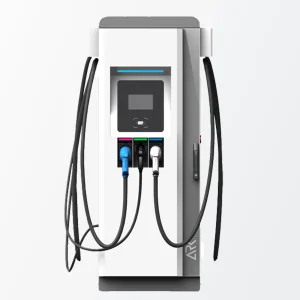
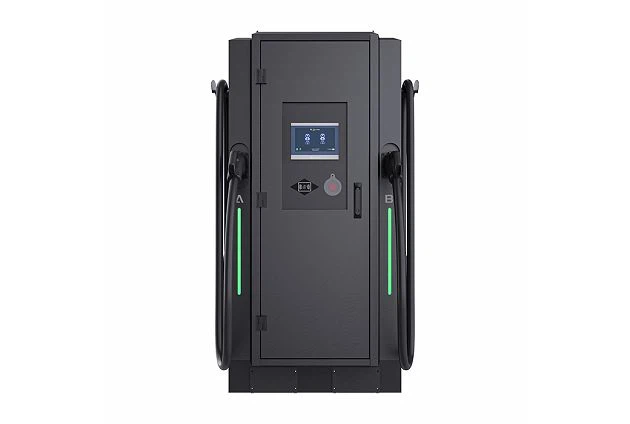
A2: Our Level 3 DC Fast Chargers employ dynamic power module routing. When multiple vehicles are connected, the internal controller evaluates the state of charge (SoC) and requested power levels of each vehicle. It then dynamically reallocates power modules in 20kW or 30kW increments. This maximizes charging speeds and avoids peak power draw penalties from the local utility grid.
A3: Total Harmonic Distortion of Current (THDi) indicates the level of electrical noise injected back into a power grid. A high THDi (above 5%) can cause transformer heating, motor malfunctions, and communication interference in nearby systems. By keeping the THDi under 2% in systems like the Corey 215 CE battery container, we ensure clean power injection, protect nearby commercial electronics, and meet strict utility interconnect standards.
A4: Yes, all of our smart PDUs, including the PDU8000 400A and rack-mounted units, support industry-standard protocols such as SNMP (v1, v2c, v3) and Modbus TCP/IP. This allows them to integrate directly with third-party Data Center Infrastructure Management (DCIM) software. This enables real-time monitoring of current, voltage, active power, energy consumption, and environmental sensor readings from a single, centralized dashboard.
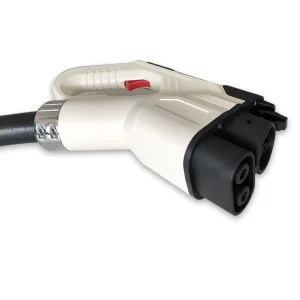
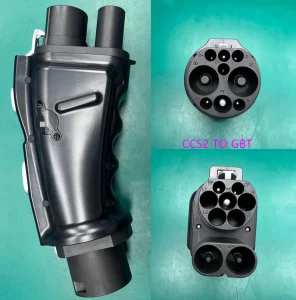
A5: We design and program our controllers to be cross-compatible. They support multiple physical interfaces, including CCS Combo 1, CCS Combo 2, CHAdeMO, and GB/T. At the software level, we integrate flexible protocol-translation firmware that complies with DIN 70121, ISO 15118, and OCPP 1.6J/2.0.1. This ensures that whether you deploy hardware in Europe, North America, or Asia, the charging stations communicate reliably with both the vehicle and the backend network.
Additional products designed for high-density power management, heavy transport safety, and adapter applications.
 Rama Charger