Power Solar Cable for New Energy
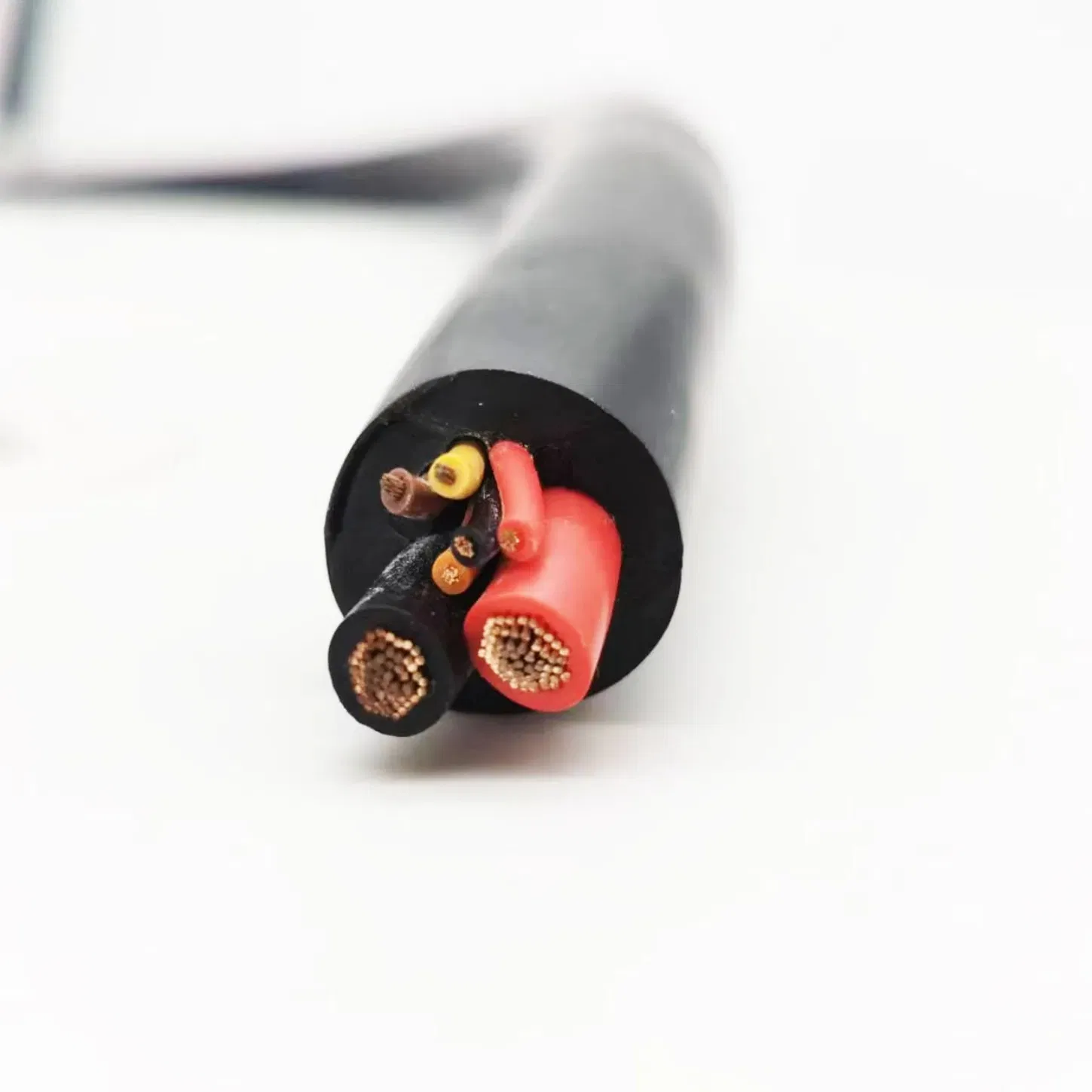
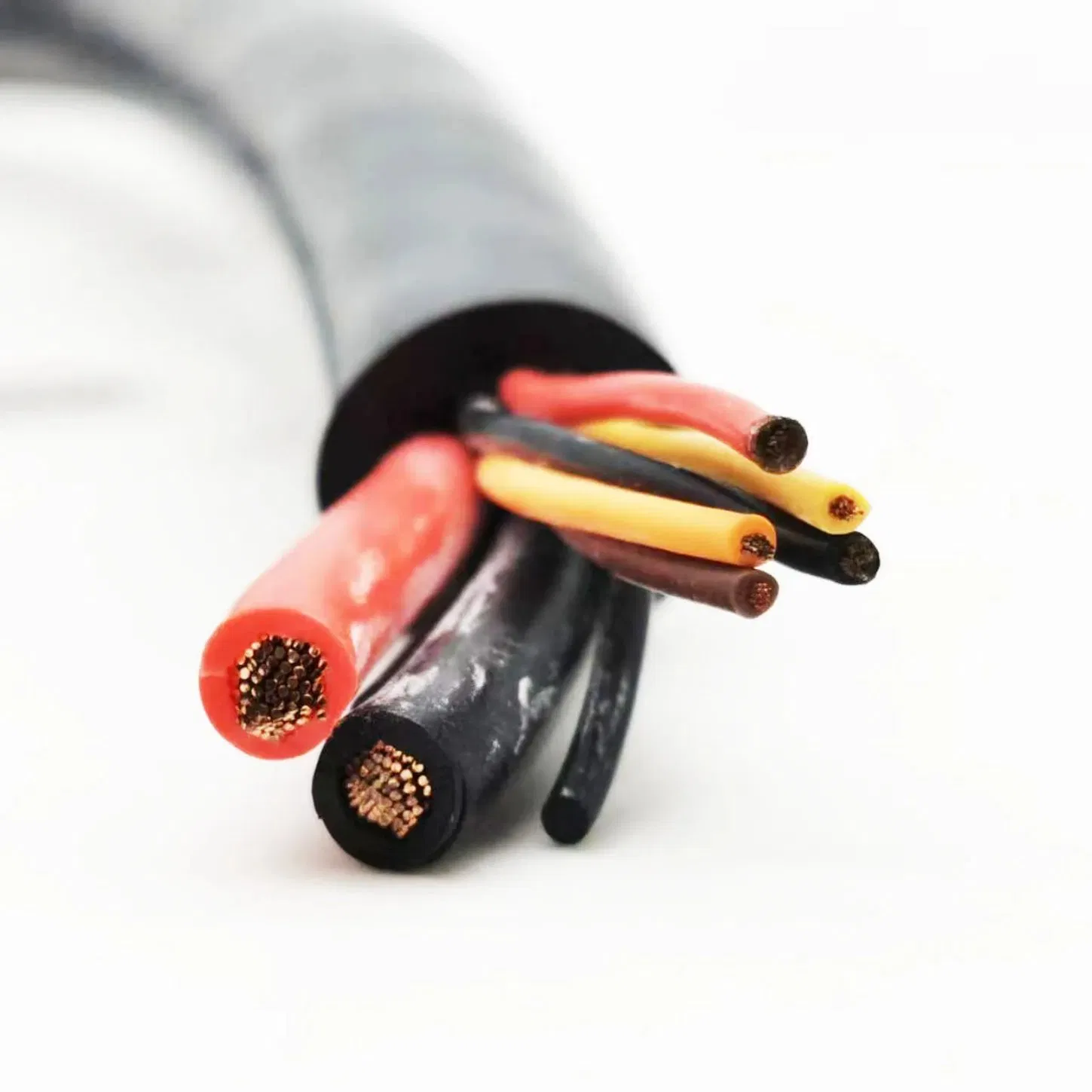
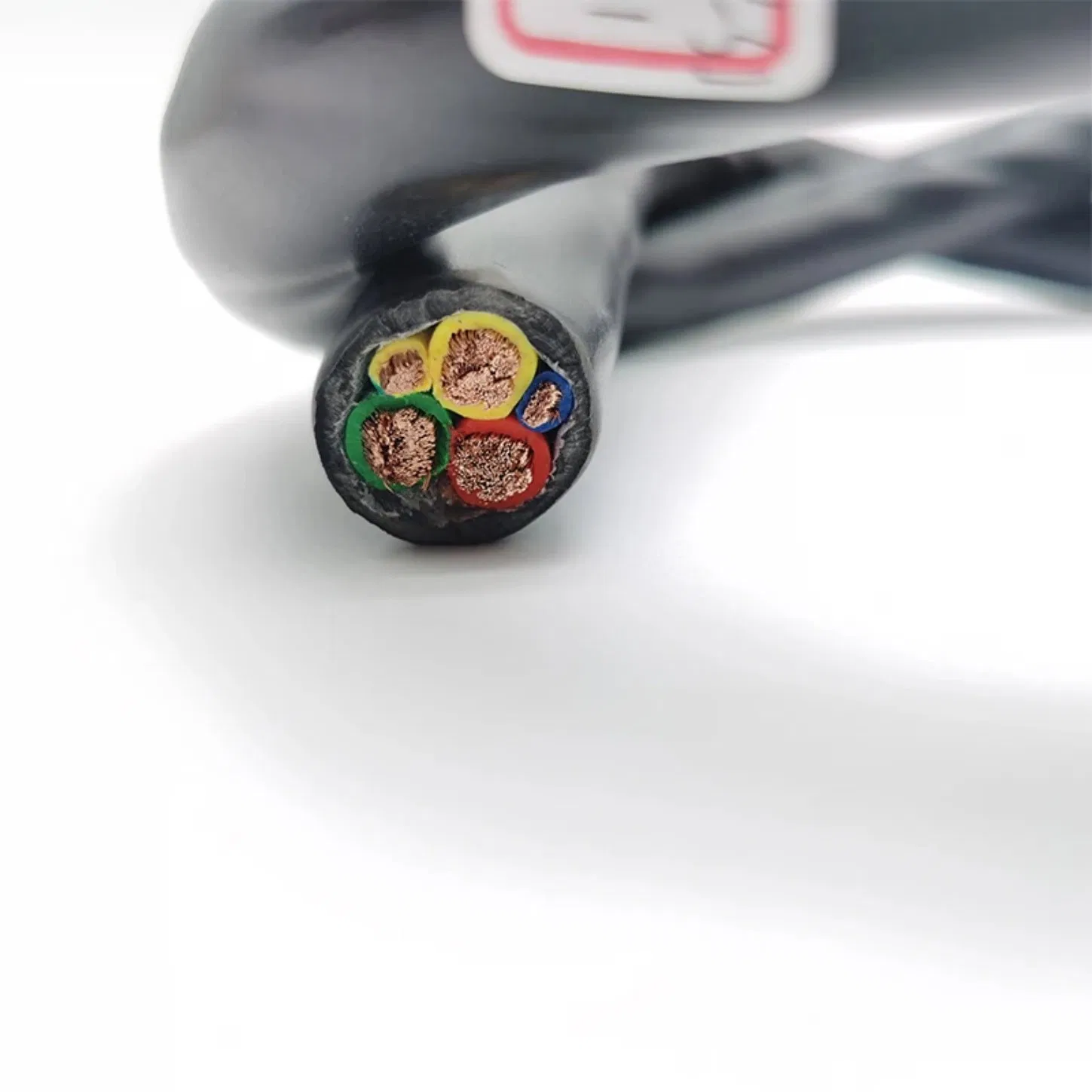
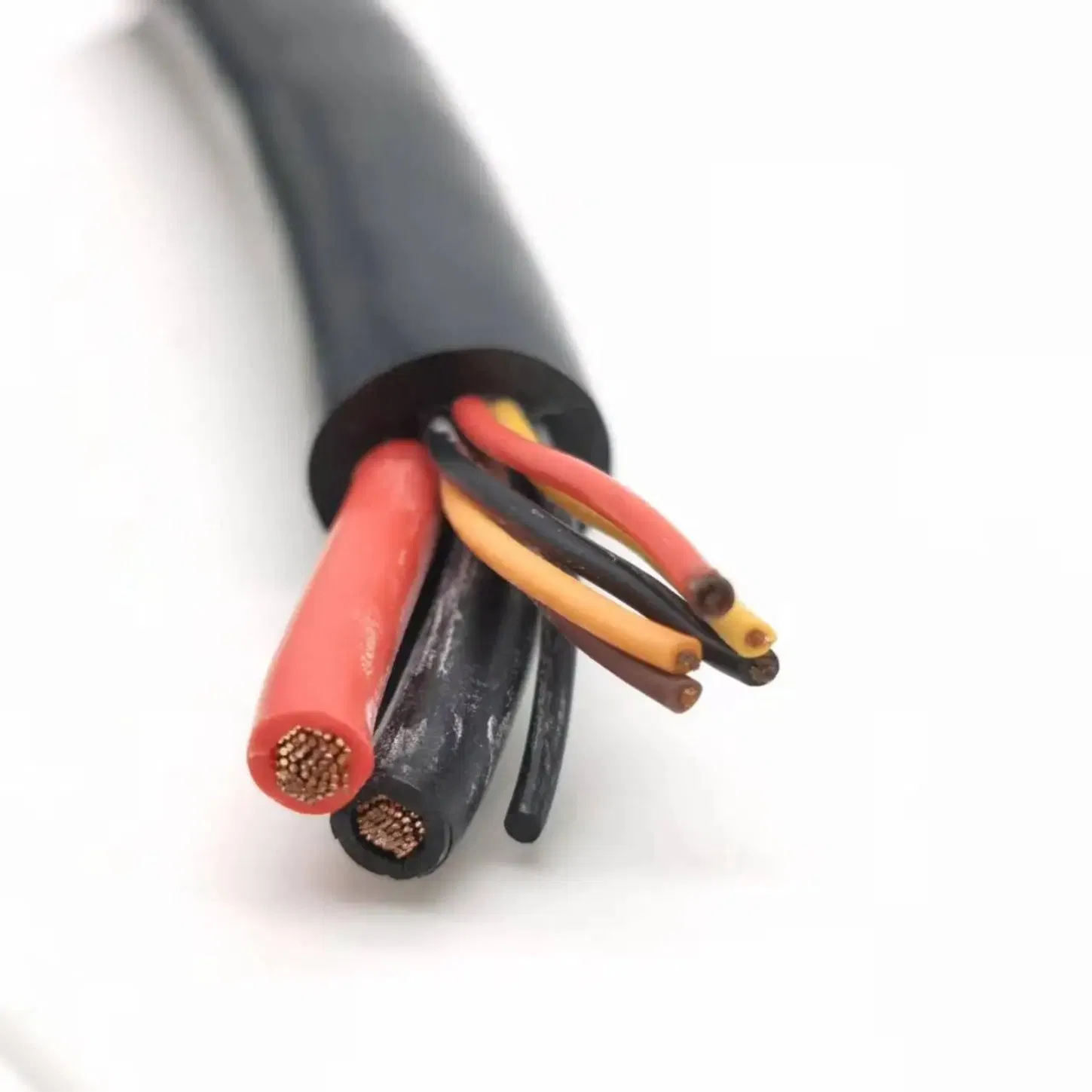
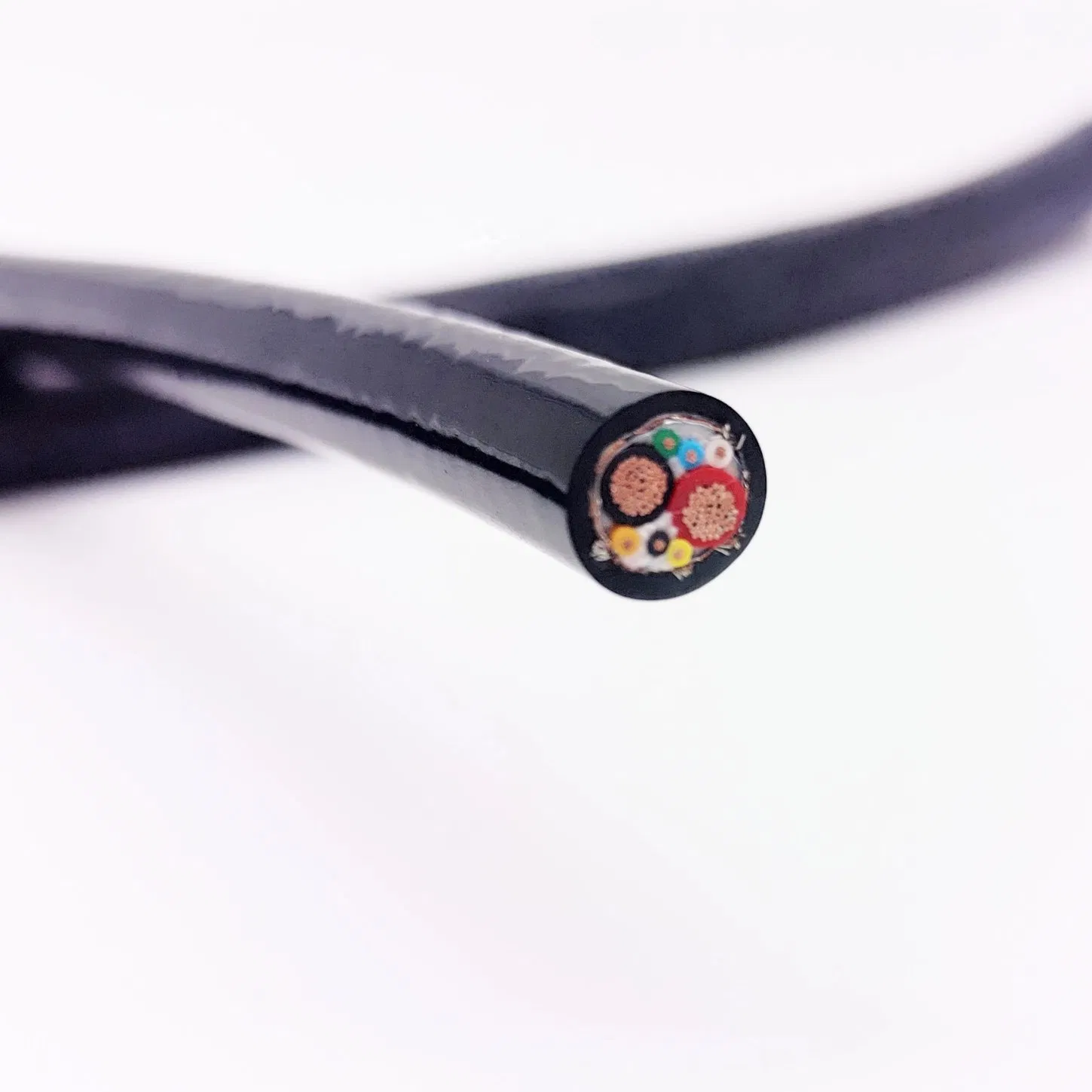
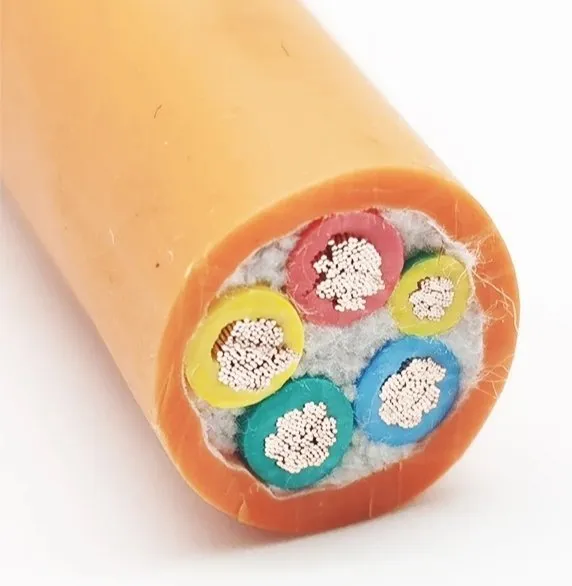
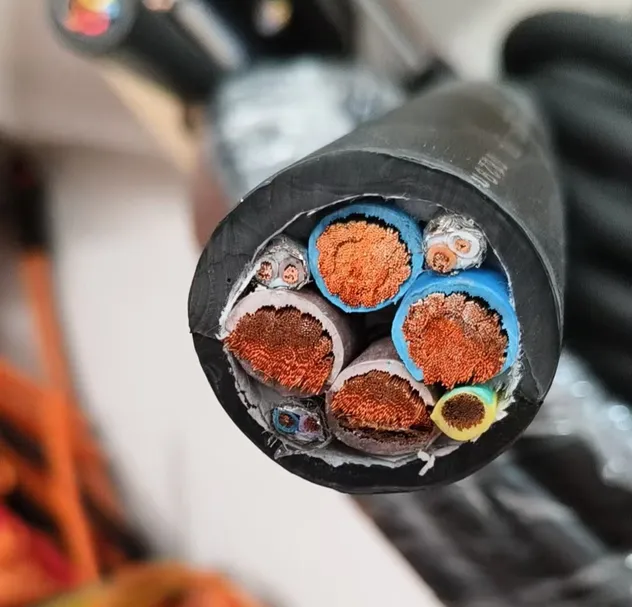
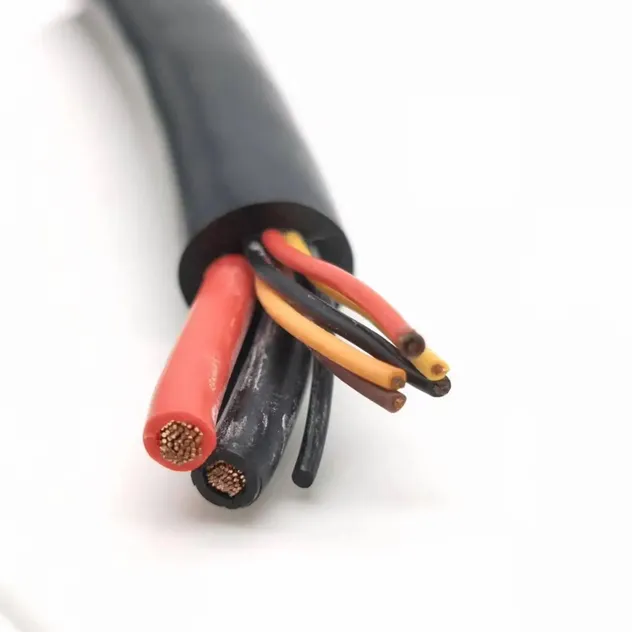
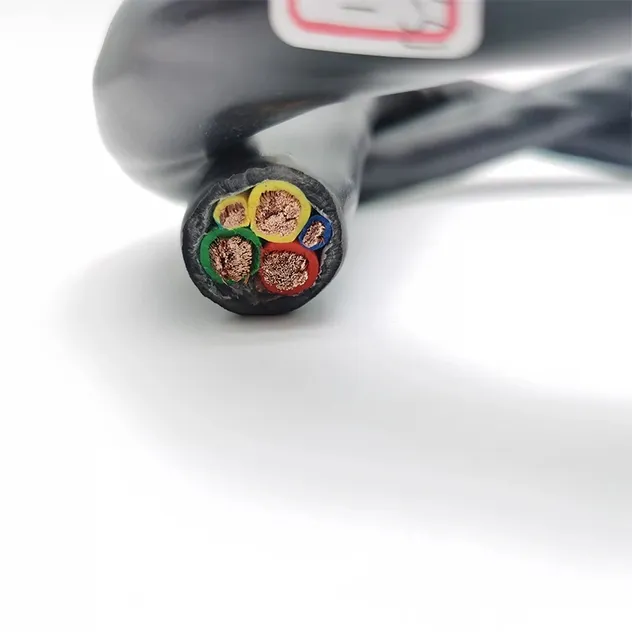
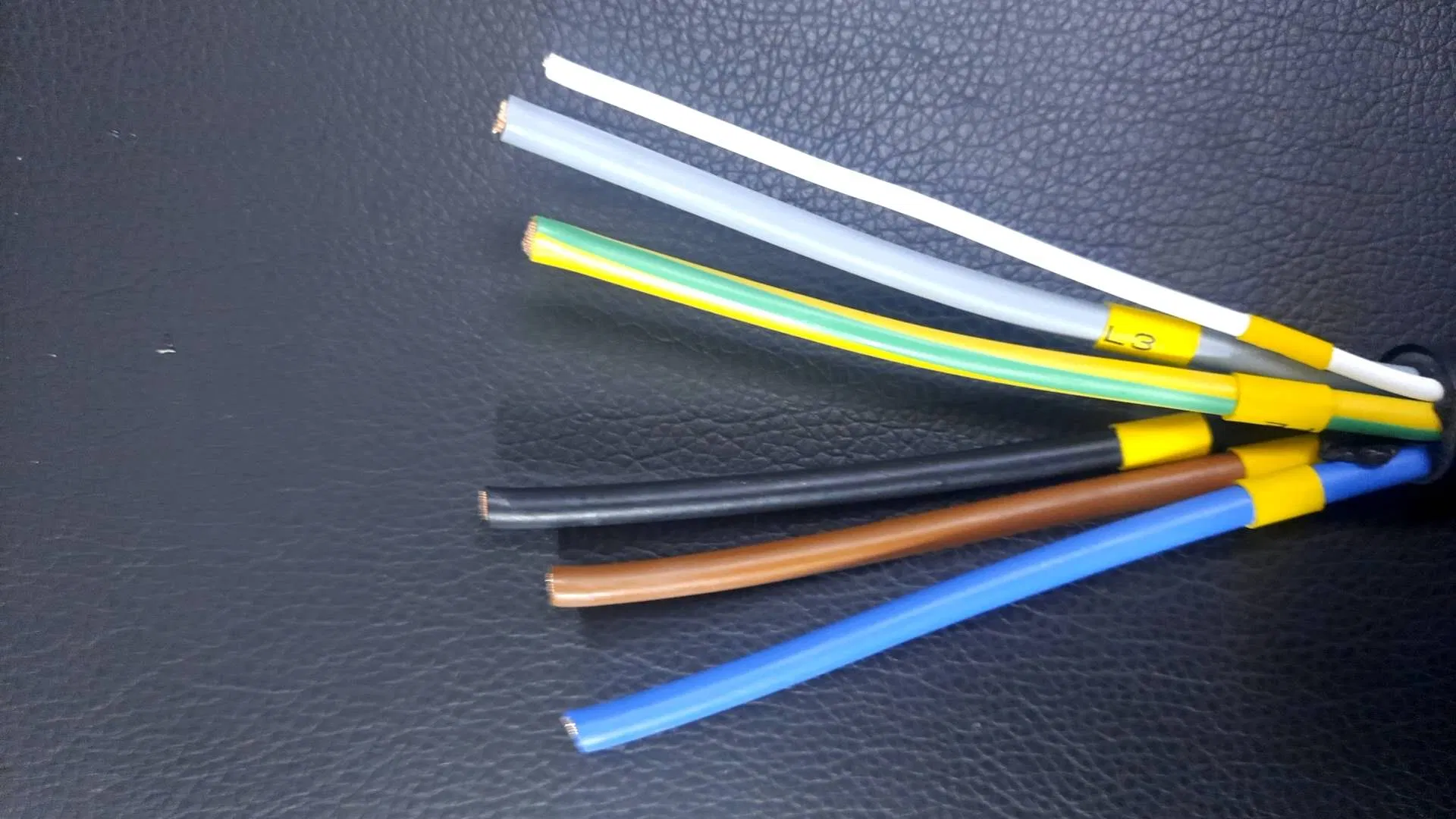
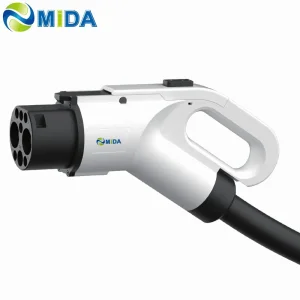
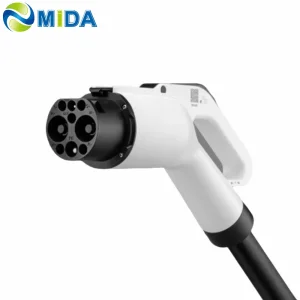
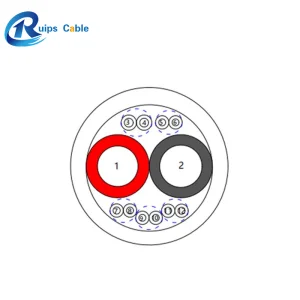
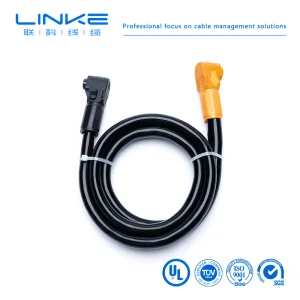
The charging cable is the core connection component for charging of new energy vehicles, performing three critical functions: transmitting electrical energy, conducting signal interaction, and providing safety protection.
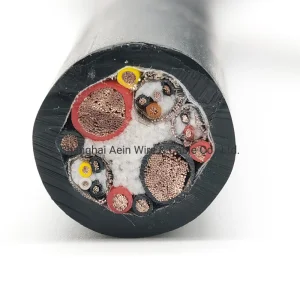
Core Raw Materials:
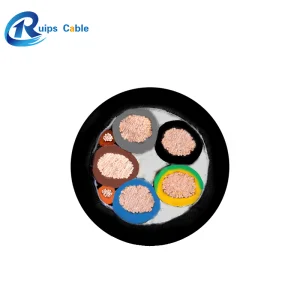
- Conductor: High-purity oxygen-free copper with high conductivity and low heat generation.
- Insulation Layer: Special elastic materials such as TPE, XLPE, or EPR, resistant to aging.
- Sheath Layer: Environmentally friendly flame-retardant PVC or polyurethane, resistant to oil and UV.
- Shield Layer: Copper mesh / aluminum foil to reduce electromagnetic interference.
R & D & Testing Capabilities
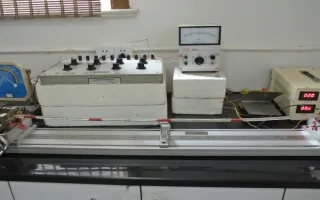
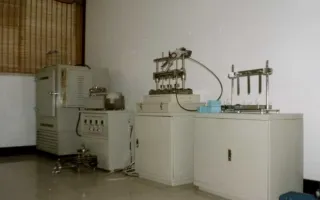
Advanced DC resistance testing equipment and heat aging systems ensure every cable conductor meets industry standards. Professional inspectors with backgrounds in electrical engineering oversee the production process and data sensitivity.
Global Project References
Products have been successfully implemented in high-profile venues including National Stadiums, World Expo complexes, battery headquarters, and nuclear power projects.
Frequently Asked Questions
Q: What international standards do your charging cables comply with?
A: Our products are produced strictly in accordance with GB/T 33594, CQC, and DEKRA standards, and have passed CE, UKCA, and RoHS safety certifications.
Q: What is the typical lead time for an order?
A: For standard models, the lead time is approximately 15–30 days. For customized cable configurations, it typically requires 30–45 days.
Q: Can I request customized cable lengths or drum sizes?
A: Yes, we provide custom-cut lengths (e.g., 100m/drum) and tailored packaging based on your specific project requirements.
Q: What materials are used for the insulation and sheathing?
A: We use high-performance materials including TPE, XLPE, and EPR for insulation, and flame-retardant PVC or polyurethane for the outer sheath to ensure weather and oil resistance.
Q: Are these cables suitable for extreme outdoor temperatures?
A: Yes, our cable series are designed to operate in environments ranging from -40℃ to as high as +125℃ for liquid-cooled DC models.
Q: Do you offer support for OEM/ODM projects?
A: We fully support OEM requirements, including custom specifications for conductors, shielding, and exterior branding.
 Rama Charger