Explore our high-precision energy conversion architectures, V2L/V2G bidirectional interfaces, and industrial power distribution hardware designed for tier-1 OEMs.
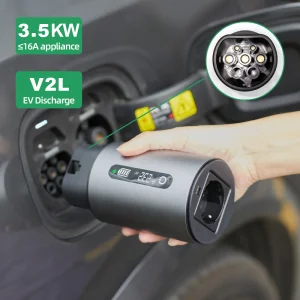
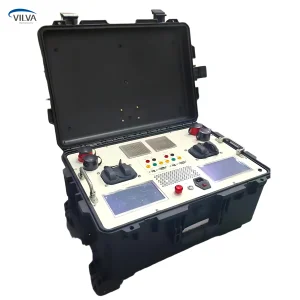
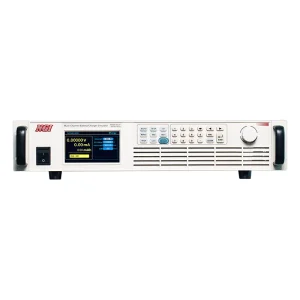
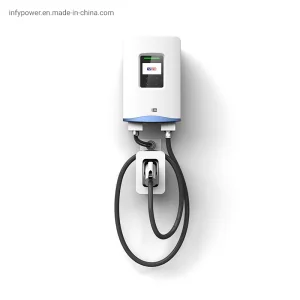
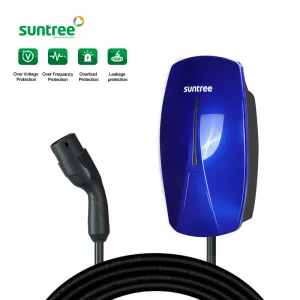
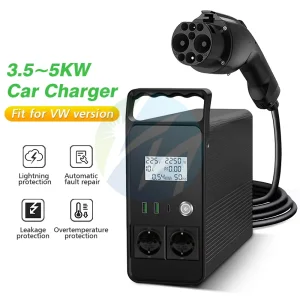
The global transition toward decentralized clean energy infrastructure has shifted solar inverters from simple Direct Current (DC) to Alternating Current (AC) power conversion components into full-fledged intelligent energy node directors. As utility grids face unprecedented instability due to variable renewable inputs and rising EV fast-charging loads, custom OEM/ODM solar inverter manufacturers play a crucial role in enabling grid-resilient, high-efficiency, bi-directional energy topologies.
As a premier custom OEM solar inverter exporter, Dongguan Rama Charger Technology Co., Ltd. engineered this whitepaper to dissect the global commercial, industrial, and residential solar inverter landscape. We analyze power topology benchmarks, localized compliance directives, hardware engineering customization workflows, and technical roadmaps tailored for global brand partners, system integrators, and engineering, procurement, and construction (EPC) contractors.
The global energy storage and solar inverter ecosystem is undergoing a structural transformation driven by macro-economic policies such as the U.S. Inflation Reduction Act (IRA), REPowerEU initiatives, and stringent carbon neutrality frameworks across Asia-Pacific. Key intent drivers for B2B buyers seeking custom OEM solar inverter engineering include:
Transitioning from traditional Silicon IGBTs to Wide Bandgap (WBG) SiC MOSFETs allows solar inverters to operate at switching frequencies exceeding 100 kHz. This yields a dramatic 40% reduction in magnetics footprint, lowered thermal dissipation, and elevated conversion efficiencies (>99.0%).
Utilities require modern inverters to provide active volt-VAR regulation, frequency response (FFR), and anti-islanding protection. Smart OEM inverters adjust reactive power dynamically to mitigate voltage spikes caused by mid-day solar generation surges.
The boundaries between solar inverters and EV chargers are blurring. Enterprise deployments demand unified hybrid inverters capable of managing direct DC-to-DC energy transfer from rooftop PV arrays into stationary battery banks and EV vehicle batteries (V2G/V2H).
To maintain competitive dominance in international markets, OEM partners must align with five foundational technological shifts defining the solar inverter manufacturing space:
Solar inverter deployment environments vary radically depending on geography, grid infrastructure, and regional regulatory mandates. As a seasoned OEM/ODM exporter, Dongguan Rama Charger Technology customizes inverter designs for distinct regional operating profiles:
Engineered to satisfy Rule 21 (California SB 100) and UL 1741 SB standards. Designs feature integrated rapid-shutdown initiators (NEC 2020 690.12), arc-fault circuit interrupters (AFCI Type 1), and split-phase / 3-phase 480V grid connection compatibility for large commercial real estate installations.
Complying with EN 50549-1, CEI 0-21, and VDE-AR-N 4105 grid codes. Optimized for compact wall-mounted profiles, ultra-silent passive thermal management (<30dB), integrated heat pump smart-grid interfaces (SG Ready), and dynamic electricity tariff peak-shaving algorithms.
Built for ambient operation up to +60°C without thermal derating. Features IP66 ingress protection, C5 anti-corrosion rated enclosures for coastal deployment, active forced-air cooling with smart fan speed regulation, and dust-resistant air duct separation.
Dongguan Rama Charger Technology maintains a dedicated R&D strategy to keep OEM partners ahead of market technology curves. Our decade-long hardware and software roadmap centers around three evolutionary phases:
Implementation of GaN power semiconductors in low-to-medium power hybrid inverters to achieve power densities >2.5 kW/kg. Standardizing 1500V DC input buses across residential and commercial product lines to reduce system wiring costs by 30%.
Integrating decentralized peer-to-peer (P2P) mesh networking into inverter firmware. Inverters dynamically balance microgrid loads autonomously without relying on centralized master controllers. Pioneering Solid-State Transformer (SST) isolation for direct medium-voltage grid connection.
Embedded neural processing units (NPUs) within the inverter main controller board perform real-time localized weather modeling, battery health degradation prediction, dynamic real-time electricity arbitrage, and self-healing fault diagnostics.
Dongguan Rama Charger Technology Co., Ltd. is a technology-driven enterprise integrating R&D, design, manufacturing, sales, and service into a seamless operation. We specialize in providing comprehensive system energy solutions for electric vehicle charging, solar power conversion, and bidirectional energy applications.
With strong independent R&D capabilities in charging and inverter controllers, Rama Charger provides customized core master control boards for solar inverter, V2G, and charging pile manufacturers. Over the years, we have established strategic collaborations with leading energy and charging pile enterprises domestically and internationally, delivering outstanding ODM results and tailored hardware/software solutions.
Our headquarters has obtained multiple authoritative international certifications, including DEKRA CB, CE, ISO9001, alongside official recognition as a high-tech enterprise and technology SME. We maintain a robust quality management system and AAA credit rating, backed by 15 software copyrights, multiple invention patents, utility model patents, and design patents, reflecting our commitment to continuous power electronics innovation.
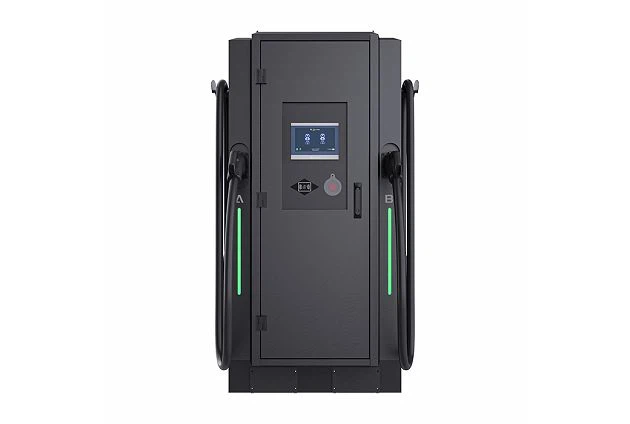
We provide global business clients with a fully integrated, transparent OEM/ODM engineering workflow designed to accelerate time-to-market while reducing R&D risk:
Dongguan Rama Charger Technology delivers turnkey solutions across interconnected energy domains:
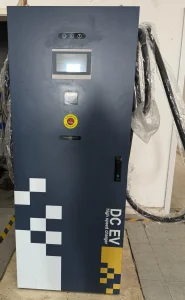
Combining rooftop solar PV arrays with high-power DC fast charging piles and stationary battery storage. Our smart energy management systems prioritize solar self-consumption, dynamic peak-shaving, and back-up power during utility outages.
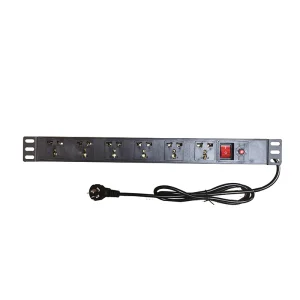
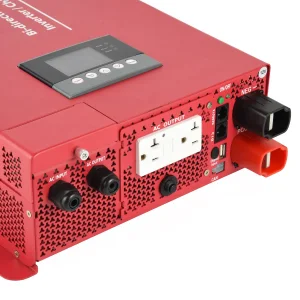
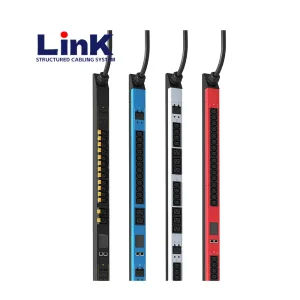
Integrating intelligent Power Distribution Units (PDUs) with bidirectional bi-phase inverters to ensure uninterrupted clean energy supply for critical server racks, edge computing nodes, and telecom base stations.
Below are expert technical responses to critical queries raised by global procurement leads, EPC contractors, and brand managers when choosing a custom solar inverter OEM partner:
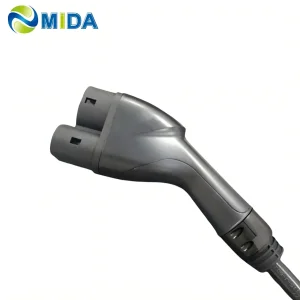
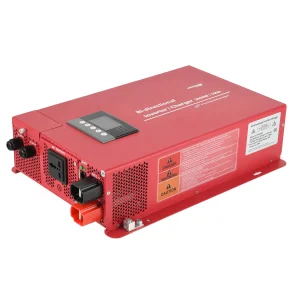
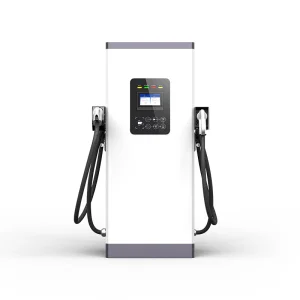
Explore additional high-performance EV charging station components, fast DC charging piles, and bi-directional pure sine wave inverter modules for worldwide export:
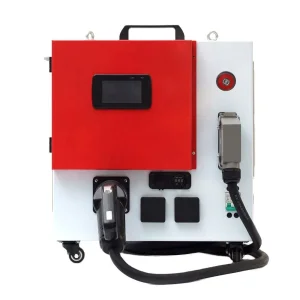
 Rama Charger