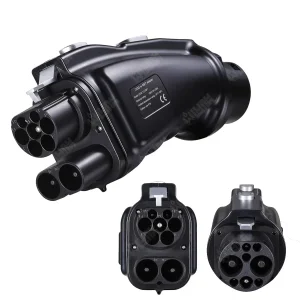
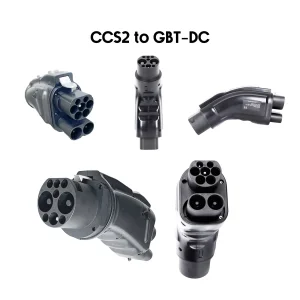
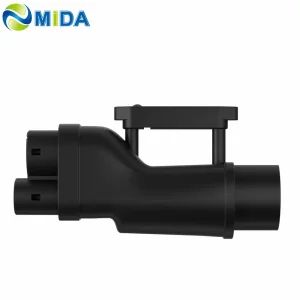
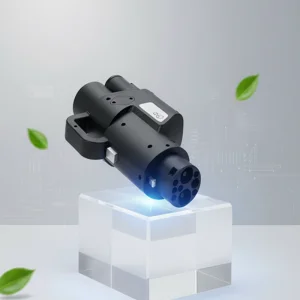
Nepal is witnessing a monumental paradigm shift in its transportation matrix. Driven by an abundant domestic surplus of clean hydroelectric power generated from the Himalayas, the Government of Nepal has initiated policies favoring rapid electric vehicle (EV) adoption to decrease reliance on imported fossil fuels. However, this transition has encountered a critical infrastructural bottleneck: the standard mismatch between charging stations and vehicles.
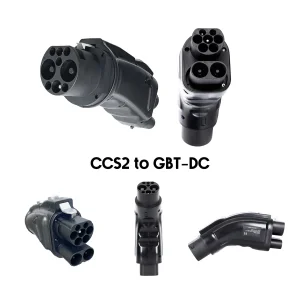
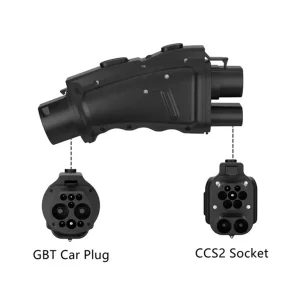
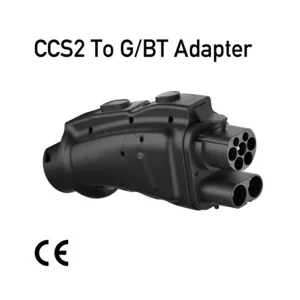
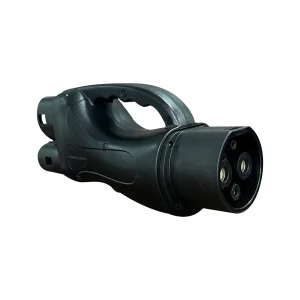
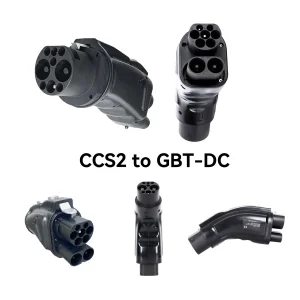
Most premium and public fast-charging stations across Nepal (primarily installed by local utilities and private operators using European specifications) feature CCS2 (Combined Charging System Type 2) outputs. Conversely, a vast volume of cost-effective, high-range passenger EVs, SUVs, and commercial electric vans imported directly from China utilize the national GB/T charging interface. This makes seamless cross-compatibility impossible without highly specialized, high-current adaptation technology.
Converting CCS2 to GB/T requires sophisticated signal translation between DIN 70121 / ISO 15118 (the European standard communication protocols) and GB/T 27930 (the Chinese standard protocol). This process must run continuously with zero latency to manage dynamic parameters like current demands, insulation monitoring, state of charge (SoC), and real-time fault codes.
Engineered for high efficiency, complete thermodynamic stability, and rugged operational lifetimes.
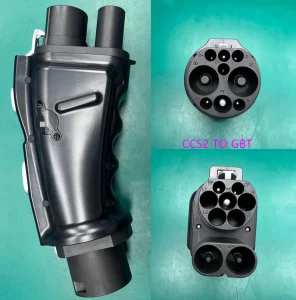
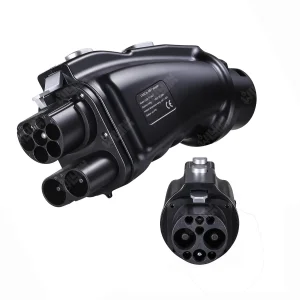
Addressing the specific physics of electrical heat dissipation, pressure adjustments, and moisture control in high-altitude environments.
At elevations exceeding 1,400 meters (such as the Kathmandu Valley and surrounding regions), lower atmospheric pressure impacts convective air cooling. Our CCS2 to GB/T adapters utilize advanced thermodynamic modeling, featuring pure silver-plated copper alloy terminals to keep contact resistance under 0.5mΩ, significantly reducing heat buildup at high power levels.
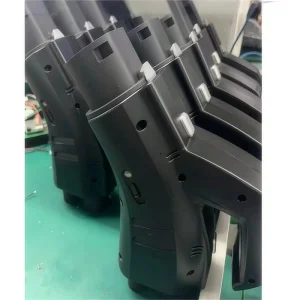
Nepal's monsoon seasons bring severe, prolonged rainfall. Our adapters are designed with high-integrity silicone gaskets and advanced ultrasonic structural welds. This ensures consistent IP54/IP55 ingress protection, safeguarding internal electronic circuitry against high-humidity conditions and preventing dust penetration in drier periods.
Equipped with dual temp-sensors that continually monitor the terminal pins. If temperatures cross 85°C due to external socket degradation, the adapter triggers the controller to throttle charging speed or suspend the session. This prevents thermal damage and mitigates safety risks at the vehicle charging port.
We are a technology-driven manufacturing enterprise integrating R&D, design, engineering, production, sales, and service. Operating from our modern facility in Dongguan, China, we specialize in high-voltage charging solutions tailored for global markets, including Nepal's developing EV network.
With deep expertise in EV charging communication systems, Rama Charger provides custom master control boards and physical adapters for charging station operators globally. We hold multiple internationally recognized credentials, including DEKRA CB, CE, and ISO9001 certification, alongside recognition as an official high-tech enterprise. Our extensive IP portfolio includes over 15 software copyrights and multiple utility model and invention patents.
Tailored ODM packages encompassing hardware layout, physical adapter design, and custom programming.
Every adapter is tested on simulated vehicle setups (BYD, MG, Tesla) to guarantee successful communication sync before shipping.
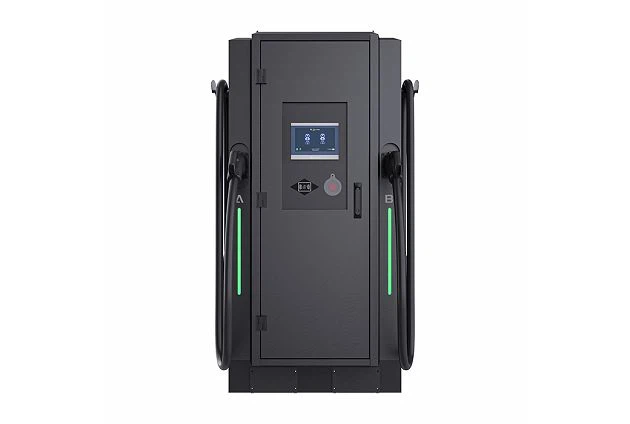
End-to-end service designed to support B2B importers, charging network operators, and logistics fleets in Nepal.
Explore our complete range of high-efficiency adapters built to cross-industry standards.
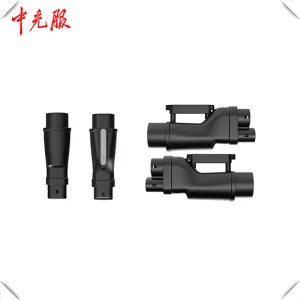
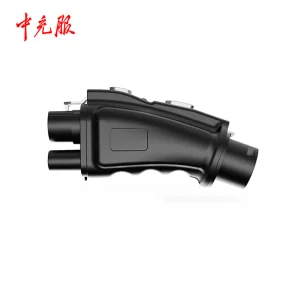
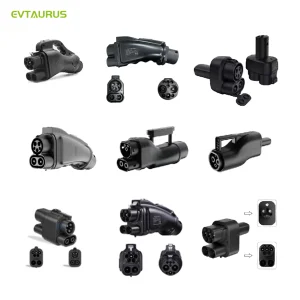
Direct technical guidance addressing compatibility, high-voltage safety, and regional operational demands.
 Rama Charger