Antwerp is home to the Port of Antwerp-Bruges, the second-largest port in Europe and a pivotal engine of the continent's global supply chain. As Belgium moves rapidly toward dynamic fleet electrification, local authorities and businesses face unique grid and infrastructure demands. Flanders' strict regulations—particularly the introduction of capacity tariffs and peak-load management policies—require state-of-the-art charging solutions to prevent localized power failures.
For operations within the chemical cluster, marine cargo depots, and regional distribution centers, standard chargers are no longer sufficient. Charging systems deployed in Antwerp must integrate with advanced smart energy networks. Using OCPP 1.6J and the upgraded OCPP 2.0.1 standard ensures compatibility with the European green corridor infrastructure, providing seamless transaction management, dynamic load balancing, and active communication with transmission operators (DSOs).
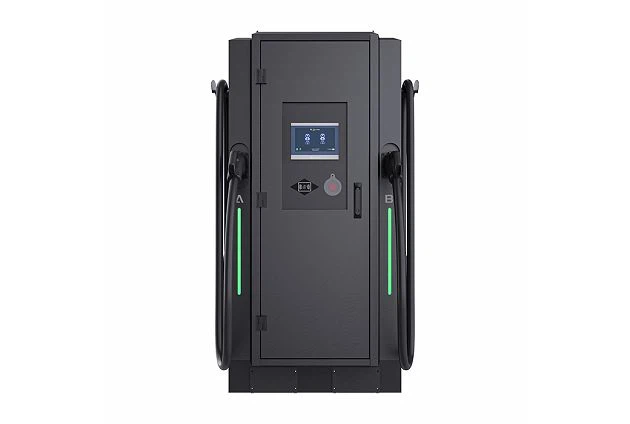
The global EV infrastructure market is rapidly transitioning from the legacy OCPP 1.6 JSON protocol to the more mature, feature-rich OCPP 2.0.1 framework. While OCPP 1.6J remains the standard for basic charging deployments in Antwerp—supporting core commands like start/stop transactions, basic reservations, and profile-based smart charging—it lacks the native architectural depth required for next-generation smart cities.
OCPP 2.0.1 introduces major functional upgrades, specifically tailored for larger, commercial fleet operations and high-megawatt public hubs. The new standard provides improved device management, allowing operators to diagnose and update hardware components via standardized schemas. Crucially, OCPP 2.0.1 features built-in security profiles, including client-side certificate handling and TLS 1.3 encryption. This protects localized infrastructure from cyber threats—a key requirement for operators working near sensitive port zones.
In addition, OCPP 2.0.1 simplifies compliance with the ISO 15118 protocol, enabling "Plug & Charge" features. This allows vehicles to authorize payments and initiate charging sessions automatically upon plugging in, without requiring mobile apps or RFID cards.
Dongguan Rama Charger Technology Co., Ltd. is a technology-driven enterprise integrating R&D, design, manufacturing, sales, and service into a seamless operation. We specialize in providing comprehensive system energy solutions for electric vehicle charging and related applications.
With strong independent R&D capabilities in charging controllers, Rama Charger can provide customized core master control boards for charging pile manufacturers. Over the years, we have established collaborations with numerous leading charging pile enterprises domestically and internationally, delivering outstanding ODM results and tailored solutions.
Integrating local Modbus energy meters with OCPP smart charging profiles. This helps chargers dynamically adjust between 1-phase and 3-phase currents, preventing overload on Antwerp's municipal power grids.
Our upcoming controller modules serve as a bidirectional gateway between the EV's on-board system (EVCC) and the central management station, facilitating smart vehicle-to-grid grid balancing.
Upgrading embedded cryptographic processors to support automatic TLS certificate management. This keeps charging stations secure when communicating over cellular or optical networks.
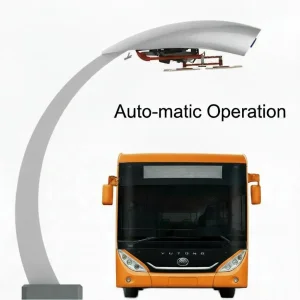
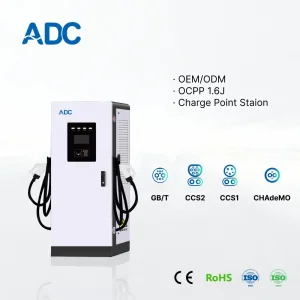
High-powered overhead pantographs and dual-gun DC chargers integrated with terminal operating software. Engineered to handle continuous container truck schedules.
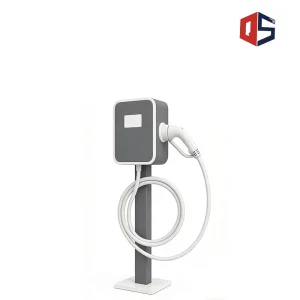
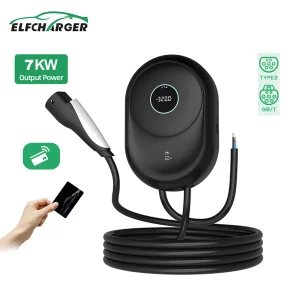
Dynamic charge distribution across multiple AC wallboxes, configured using OCPP smart profiles. Designed to avoid overloading local apartment block supply systems.
Connecting solar arrays, battery storage systems (BESS), and charging equipment to a single OCPP communication board for efficient power distribution.
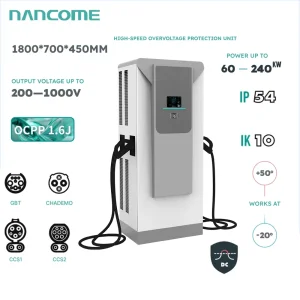
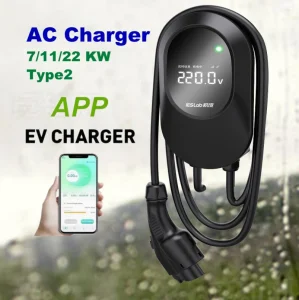
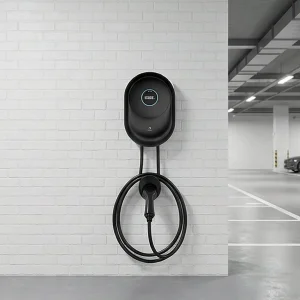
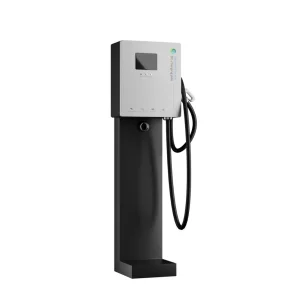
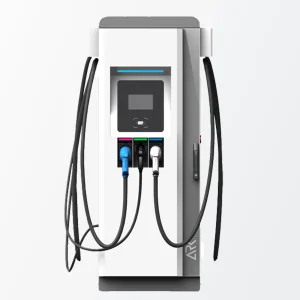
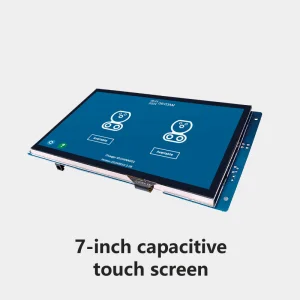
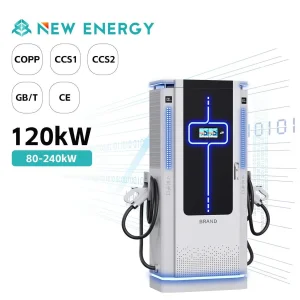
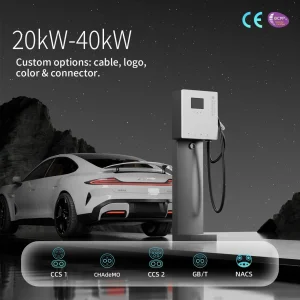
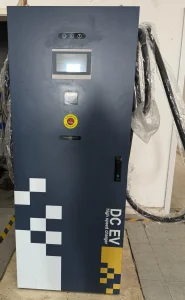
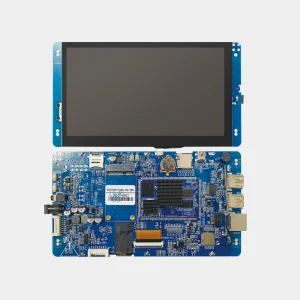
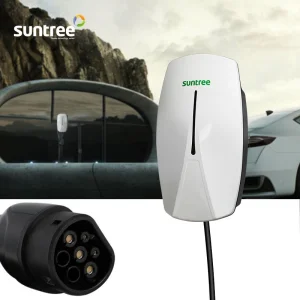
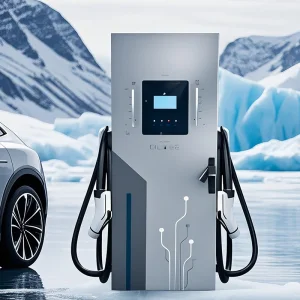
Whether you require tailored smart charging controllers, CE-compliant DC fast chargers, or custom OCPP integration services, our engineering team is here to assist with your project.
Send Inquiry Now Rama Charger