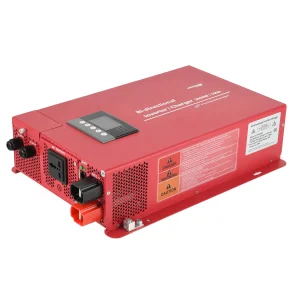
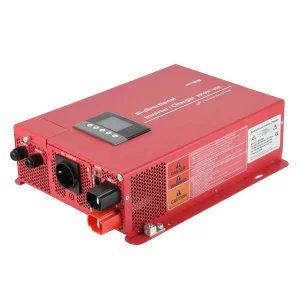
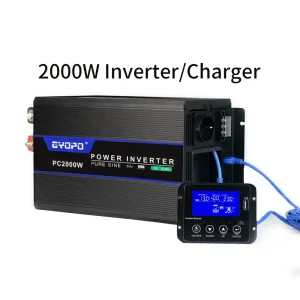
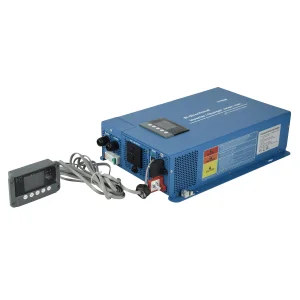
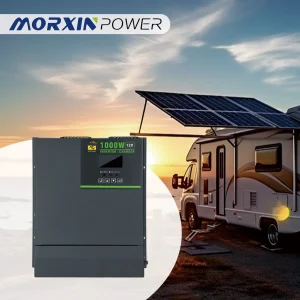
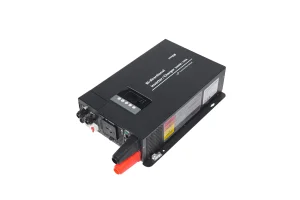
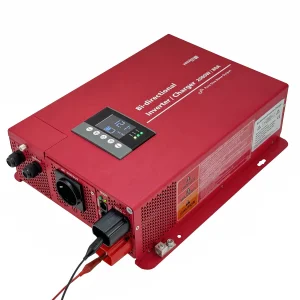
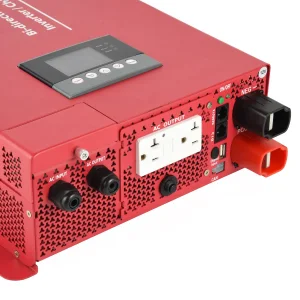
Guinea-Bissau, a nation with immense solar potential but facing significant grid infrastructure challenges, is at a pivotal moment in its energy transition. As the National Energy Strategy focuses on increasing electrification rates, the role of Bi-directional Inverters has shifted from a luxury to a critical necessity. Unlike traditional one-way inverters, bi-directional technology allows for seamless interaction between renewable sources (Solar/Wind), battery storage, and the national grid or localized mini-grids.
In Bissau, Bafatá, and Gabu, commercial enterprises are plagued by intermittent power supply. Industrial sectors, particularly cashew processing and fish preservation, require uninterruptible power. Bi-directional inverters serve as the brain of these systems, enabling "Peak Shaving" and "Load Shifting," which significantly reduce operational costs by utilizing stored solar energy during expensive peak hours or grid failures.
Traditional systems treat the battery as a backup only. Our Bi-directional DC Power Supplies integrated with AI-driven controllers allow for Vehicle-to-Everything (V2X) capabilities. In the context of Guinea-Bissau’s developing EV sector and electric boat initiatives in the Bijagós Archipelago, these inverters facilitate the return of energy from mobile batteries back to the local grid, creating a resilient, decentralized energy network.
Dongguan Rama Charger Technology Co., Ltd. is not just a manufacturer; we are a technology-driven growth partner. With certifications including DEKRA CB, CE, and ISO9001, we ensure that every unit deployed in the humid and high-temperature environment of Guinea-Bissau is engineered for longevity.
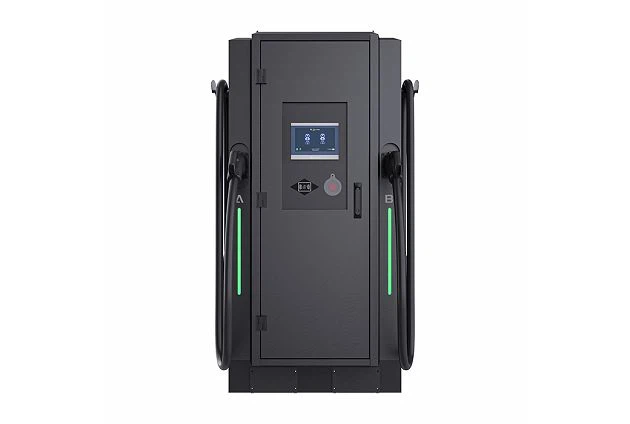
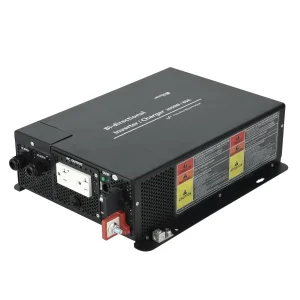
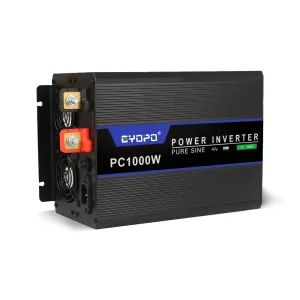
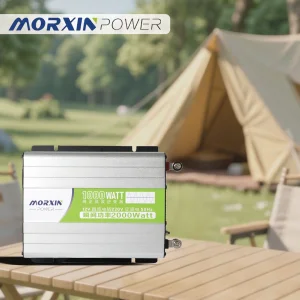
Powering luxury campsites in Rubane and Bolama where silent, clean energy is paramount. Our 1kw-3kw units provide the perfect balance of portability and power.
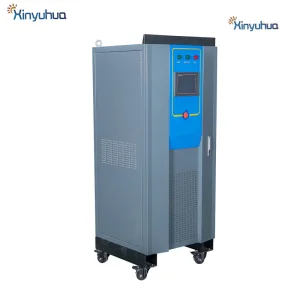
Ensuring that cashew and fruit storage facilities maintain temperature integrity through bi-directional solar-battery-grid synchronization.
Supporting rural clinics with 5kw-10kw hybrid systems that prioritize life-saving equipment while selling excess solar energy back to the micro-grid.
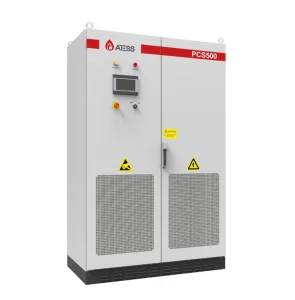
High-capacity 500kw-1000kw inverters for large scale solar farms near Bissau, enabling grid-forming capabilities and frequency regulation.
By leveraging the Dongguan electronic manufacturing cluster, Rama Charger offers a "Supply Chain Fortress." We provide Guinea-Bissau distributors with rapid prototyping, cost-efficient mass production, and a robust spare parts ecosystem. Our technical roadmap for 2024-2026 focuses on:
 Rama Charger